


U.S.-China Dialogue Initiates Amidst Trade Tensions
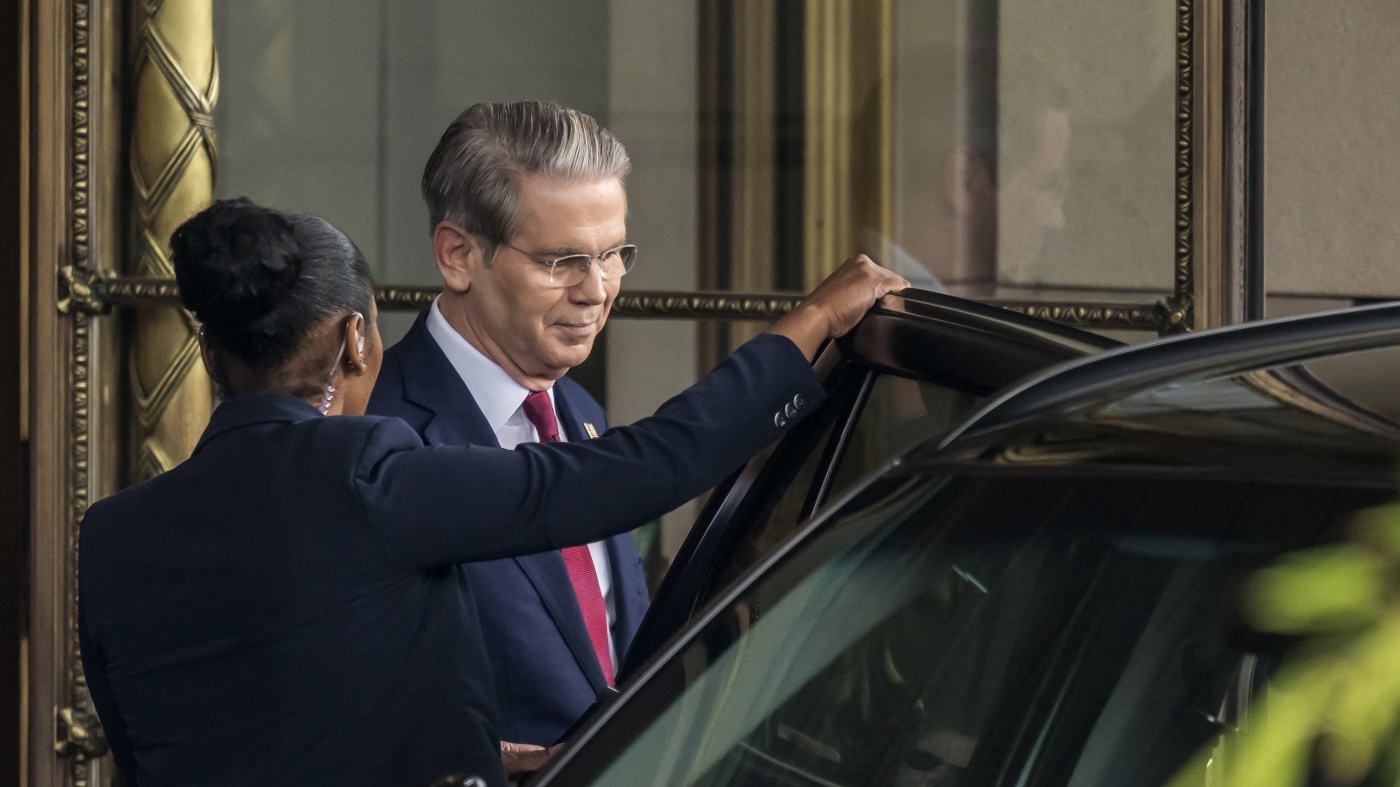
U.S. Treasury Secretary Scott Bessent was observed departing his accommodation en route to crucial trade discussions with Chinese counterparts regarding tariffs, unfolding in Geneva on Saturday.
Beginning on Saturday in Geneva, prominent representatives from the U.S. and China engaged in direct negotiations for the first time since President Trump imposed a 145% tariff on Chinese merchandise.
These gatherings, set in a Swiss city known for neutral mediation and conflict resolution, mark the initial attempts to reconcile a trade war that has recently destabilized financial markets, bringing about import disruptions valued in the billions on both American and Chinese soil.
Key Figures and Venue
Heading the U.S. team is Treasury Secretary Bessent, supported by Trade Representative Jamieson Greer. The confirmed Chinese participant is Vice Premier for Economic Affairs, He Lifeng. The dialogue takes place in a prestigious villa atop a hill, offering panoramic views of Lake Geneva, traditionally utilized by the Swiss ambassador to the United Nations. Thus far, both parties have abstained from releasing public remarks as the discussions commenced early Saturday.
Global Trade Context
A few days preceding these economically pivotal talks, another nation secured a limited trade pact with President Trump's administration, although a 10% tariff still applies to most exports from that country. Yet, Bessent views China as the 'elusive segment' in trade talks, asserting that until now, China has not shown willingness to enter negotiations.
Bessent’s presence in Geneva also was to potentially advance an updated trade agreement with Swiss officials. On Friday, during a news conference, Swiss officials expressed optimism about finalizing their agreement with Washington in the near term.
Swiss Mediation Role
Standing ready to facilitate dialogue, Swiss President Karin Keller-Sutter remarked that her nation is pleased to assist in the exchange between these influential global economies, especially at a time when the economic fallout from tariffs has heavily influenced stock valuations and economic forecasts.
"China and the U.S. have seized this opportunity," Keller-Sutter remarked in conversation with NPR, expressing the hope that the platform they are providing will lead to positive outcomes, which she believes would benefit the global economy and trade as a whole.
Prospects of Resolution
Upon arriving in Geneva, Bessent met with Swiss dignitaries, including Keller-Sutter, who humorously hoped that the auspicious influence that graced Rome's events this week might also inspire productive negotiations in Geneva.
However, the prospects of an immediate resolution seem slim. Instead, this initial dialogue could be the prelude to an extensive series of negotiations extending over months, suggested Dmitry Grozoubinski, a former Australian diplomat and trade negotiator.
"Both delegations will be assessing each other, aware that the current stage of the trade conflict benefits neither party," observed Grozoubinski, currently leading the Geneva Trade Platform. "This initiation sets the stage for nuanced bilateral communication, aiming to discern mutual gains while gauging acceptable concessions."
Leave a Reply