


Don't Let Economic Woes Dampen Your Summer Spirit
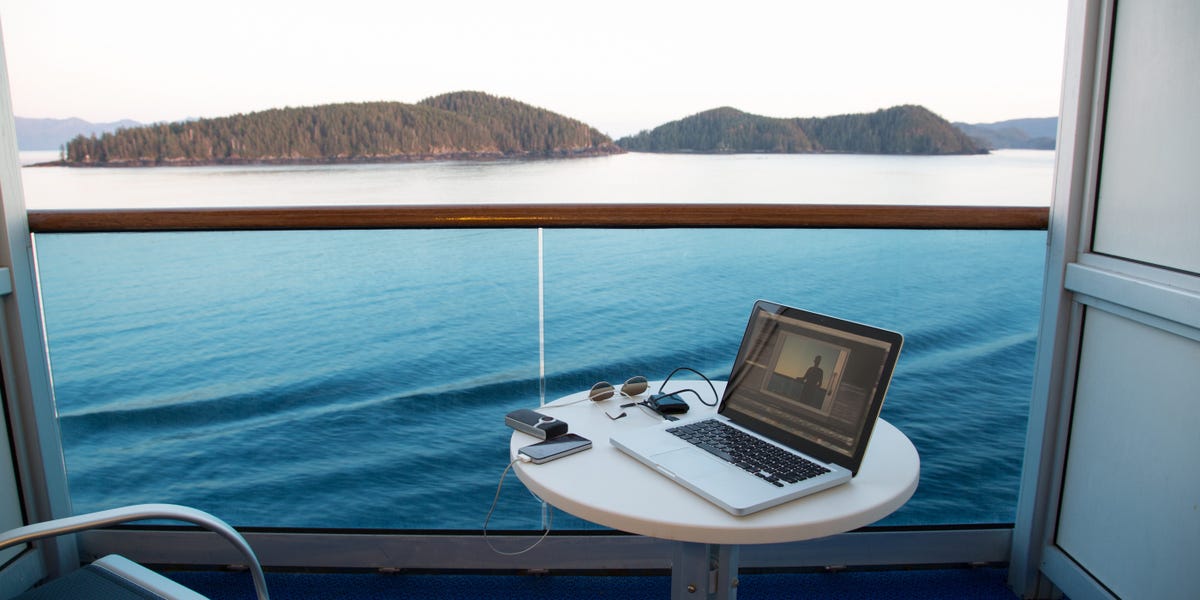
With economic uncertainty looming, many are rethinking their spending habits. Instead of splurging on a European getaway, why not consider a budget-friendly cruise that bundles all your expenses? It's the perfect choice for those looking to manage their finances without sacrificing fun.
Spending less on expensive nights out and hosting opulent dinners at home has become the new normal. Elevate your evening with elegant touches like fancy candlesticks and high-end sparkling water. It’s an affordable way to experience luxury from the comfort of your abode.
Kelsey Laurier, a content creator from Atlanta, resonates with this shift. Her work focuses on helping people achieve luxury living without overspending. She believes bundled offerings provide clarity and value, letting you enjoy what you pay for without hidden fees.
Despite fluctuations in consumer confidence, people are still keen on spending where they find tangible value. The unpredictability of financial markets makes this a perfect time for reassessing budgets and focusing on consistent spending that still feels indulgent.
Consumers are increasingly drawn to fixed-price models that remove uncertainty. According to marketing expert Paul Hardart, the perceived value of packages where all amenities are included tends to be high. Offering straightforward pricing gives peace of mind, enhancing satisfaction.
Fixed-Priced Leisure: The Future of Recreation
The days of carefree splurging are giving way to a more intentional approach to spending in 2025. Concerts may suffer a slump, but streaming platforms are thriving, as are cruises compared to flights. The appeal? Predictable costs and minimal surprise expenses.
As savings dwindle from post-lockdown highs, Americans show signs of reduced financial confidence. With consumer sentiment dropping, a shift towards thoughtful expenditure and seeking delayed gratification over immediate pleasure is apparent.
Affordable alternatives like store brands and thrift shopping are witnessing a surge. At the same time, younger demographics still crave the allure of luxury, often opting for designer labels despite financial constraints.
Affordable luxury strategies involve re-creating an opulent experience at home. Lavish home dinners can substitute for expensive dining out, providing a high-end feel with carefully selected items without the extraneous costs.
Laurier notes that investing in superior quality foods offers a taste of luxury at a fraction of the cost of more extravagant purchases. Sourcing premium ingredients from local markets can elevate a meal without breaking the bank.
The trend extends to travel, where fixed packages like cruises simplify budgeting by eliminating the need for constant oversight of incidental expenses. This stands in stark contrast to unpredictable costs when exploring a new city.
Businesses are adapting too, preferring stable income streams through subscriptions—a model that appeals to budget-conscious consumers seeking certainty. Collaborations between content and service providers ensure that consumers feel they're getting more for their money.
While a formal recession remains unclear, the drive towards financial prudence continues. As Hardart suggests, preparing for future uncertainties by adopting predictable spending habits could be wise.
Leave a Reply