


Brands Shift Strategies Amidst Trade Conflicts
How can advertisers make a brand seem less American to British consumers?
This question was posed to Luke Jonas, a cofounder at Nest, a UK ad agency skilled in assisting e-commerce businesses in entering the US market and helping American brands reach global audiences.
Jonas revealed that Fresh Threads, an apparel brand with distinct American flair often depicted through San Diego skaters, is collaborating with Nest to spotlight British culture by capturing images in London parks and gardens for its UK promotions.
Fresh Threads’ strategy reflects a larger movement within marketing. Major companies like Coca-Cola and McDonald's, alongside smaller firms, are turning to localized advertising. Instead of focusing solely on American heritage, many brands now aim to resonate with the cultural nuances of foreign markets, as global tensions grow.
Jonas also observed a significant international shift in marketing targets. Recently, approximately two-thirds of Nest's clients, who previously focused on US markets, have redirected efforts toward other global regions, likely to avoid tariff impacts. Countries in the European Union are the most common focus, followed by the Middle East.
"In two decades in e-commerce, the brand visibility shift due to tariffs under Trump is unprecedented," Jonas commented.
With tariffs imposing constraints on industries ranging from toys to vehicles, consumer attitudes in some nations have soured towards American brands.
Canada’s Response and Kraft Heinz’s Strategy
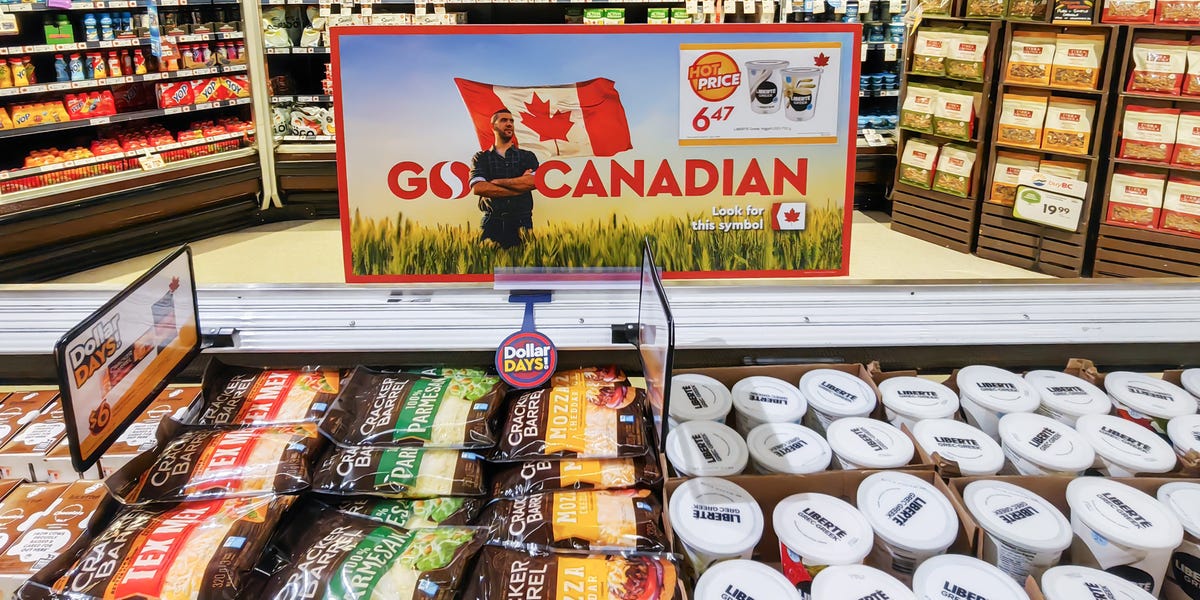
Canada offers a clear illustration, where many are gradually avoiding US products. In response, some European consumers have turned to apps like "BrandSnap" to discover EU alternatives.
Faced with boycotts and negative consumer sentiment, brands are considering both minor rebranding and complete marketing overhauls in certain regions, according to Minkyung Kim from Carnegie Mellon University's Tepper School of Business.
"Brands are tailoring their marketing strategies to shed American influences where appropriate while retaining their essence," Kim elaborated.
Kraft Heinz exemplifies this localization. Once at risk for a boycott due to a major factory closure in Ontario, they have since refocused their efforts. After President Trump targeted Canada with tariffs, even suggesting its annexation, Kraft Heinz bolstered its marketing in Canada.
Their campaigns during the Canadian Super Bowl and March Madness broadcast promoted Canadian-made ingredients in their products, such as local wheat, dairy, and peanuts.
In January, to combat earlier tariff disputes mentioned by Prime Minister Justin Trudeau, Kraft Heinz highlighted that their ketchup is Canadian-made, contrasting French's continued use of local tomatoes, which won public favor.
A company spokesperson mentioned further Canadian TV advertising is underway.
American Brands Riding the Patriotic Wave
Conversely, in America, some firms proudly showcase their domestic origins.
Recently, Ford launched its "From America. For America." campaign, while the apparel brand American Giant reminded customers of its domestic manufacturing in a recent communication.
Brands Navigate Global Sentiments
Recent corporate earnings calls reflected how major US brands like Harley-Davidson and Skechers are navigating international scrutiny.
McDonald's, after conducting surveys to measure perceptions of both America and its brand, found a noticeable rise in negative sentiment abroad, especially in Northern Europe and Canada.
Despite this, CFO Ian Borden reassured stakeholders that McDonald's adaptability to various cultural contexts supports its global operations.
Building on this, McDonald's expanded its US campaign featuring celebrities by including UK talent like rapper Stormzy.
Strategizing with Local Relevance
Coca-Cola CEO James Quincey stressed the importance of making well-known brands relatable in local contexts.
"In turbulent geopolitical times, emphasizing local production and contributions is essential," stated Quincey.
Joey Camire from strategy firm Sylvain noted the cost-effective nature of modern localization strategies, enhanced by AI and influencer partnerships, presenting opportunities for brands to operate flexibly.
"Localization is a strategic necessity now more than ever," Camire affirmed.
Leave a Reply