


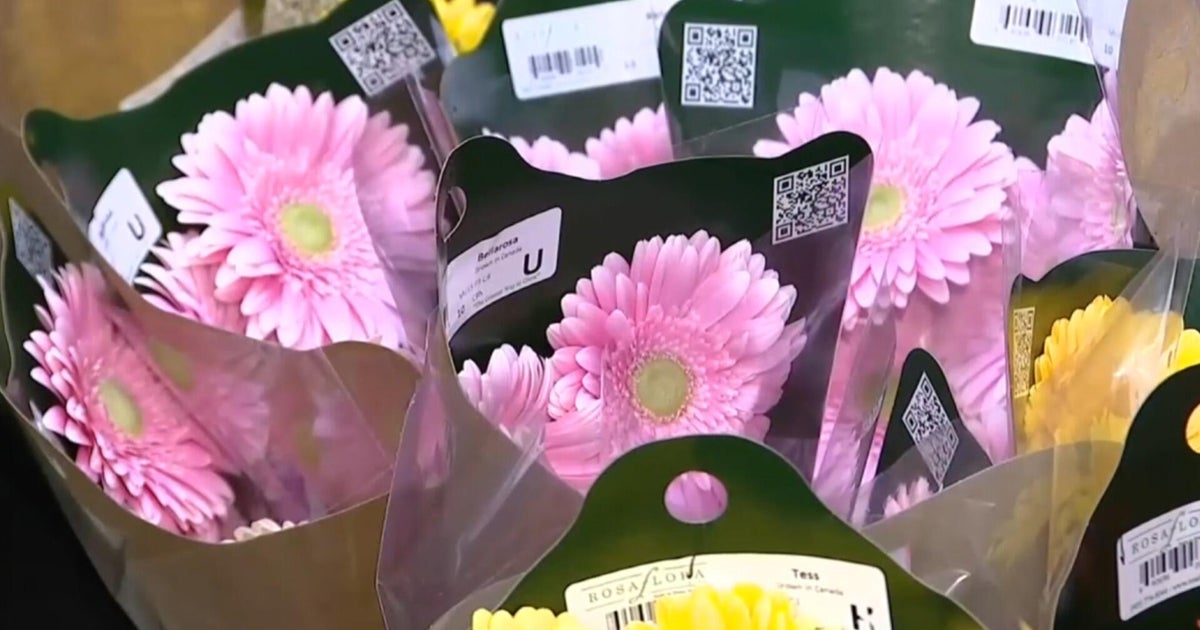
The Impact of Rising Tariffs on Floral Prices
This weekend is a major event for those in the floral trade, synonymous with the scale of the Super Bowl, particularly when considering the role of Mother's Day. The floral industry is bracing for a significant economic event, with predictions indicating that Americans will dedicate over $3 billion solely to flower purchases, according to the National Retail Federation.
However, there's a cloud hanging over florists nationwide in the form of escalating tariffs which are squeezing the profit margins of smaller floral enterprises. These increased import costs are gradually trickling down to consumers, making the simple act of buying flowers more costly.
Understanding Tariffs and Their Effects
Tariffs, essentially taxes on imports, have seen recent hikes that heavily affect goods imported into the U.S., including flowers. This is particularly impactful during peak occasion periods when demand surges. The added financial burden of these taxes leads to increased prices for retail consumers.
For the floral industry, which relies on numerous flowers being imported from countries like Colombia and Ecuador, these tariffs mean that shop owners are forced to pay more upfront costs. Unfortunately, to remain profitable, these costs are often passed onto the end customer.
Challenges Facing Small Flower Shops
Small floral businesses find themselves at a disadvantage, as the increased tariffs create a more hostile commercial environment. Larger companies with greater financial resources can often absorb some of these costs, while smaller shops struggle to keep their prices competitive.
Many smaller flower shop owners are voicing concerns, stating that this situation could potentially lead to diminished sales as some customers might opt for more budget-friendly gifting options or choose fewer flowers to counterbalance the increased cost.
Consumer Implications
For consumers, these rising prices may compel them to reconsider their purchasing habits. While flowers remain a cherished gift, the added expense might make it less accessible for some. These economic dynamics suggest that consumers might limit their spending or seek alternative ways to express their emotions.
In summary, while Mother's Day remains a significant occasion for expressing love and appreciation, the impact of higher tariffs creates a challenging landscape for both floral businesses and consumers, potentially altering the ways in which flowers are exchanged during this festive period.
Leave a Reply