


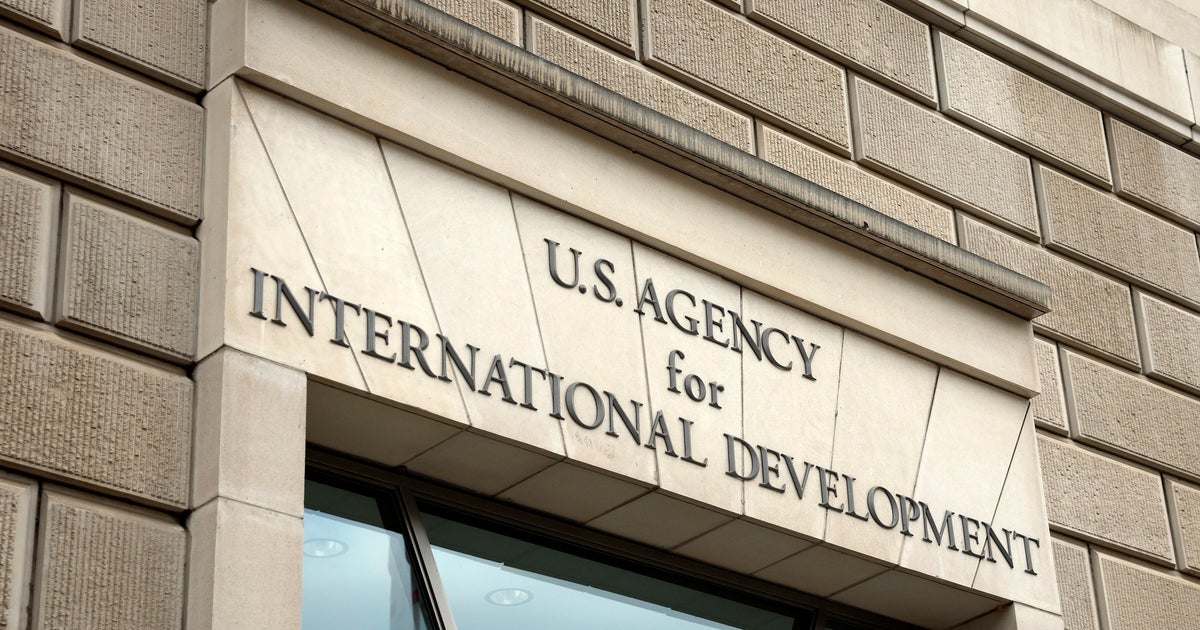
USAID Employees Face Scrutiny After Speaking to the Media Post-Termination
At least six employees from the United States Agency for International Development (USAID) are now under scrutiny following their engagement with the media, believing they were sacked by the Trump administration. Notices alerting them to an investigation were distributed by the agency's human resources division.
The workers, whose official termination was delayed due to administrative issues, received communications with the headline 'Administrative Inquiry,' accusing them of unauthorized press interaction and threatening them with potential disciplinary outcomes, including possible job removal.
Emails were issued from Employment Labor Relations, a component of USAID's personnel management, tasked with handling most complaints regarding discipline and performance metrics.
Randy Chester, vice president of the union representing USAID staff, the American Foreign Service Association, described this as pure intimidation. The union provided the email exclusively to CBS, revealing that notices began being sent to employees starting Monday.
Prominent Washington attorney Abbe Lowell, known for defending high-profile political figures, pointed out that federal employees do not forfeit constitutional rights as public servants. He commented that the inquiry seems more about quashing dissent than enforcing regulations.
USAID, responsible for managing foreign aid, was one of the first agencies targeted for significant staffing reductions by the Department of Government Efficiency (DOGE), which Elon Musk spearheaded. Musk branded USAID a 'criminal organization' and proposed its dissolution.
DOGE operatives were discreetly integrated into various federal offices, initiating broad staff cuts. Notices of impending job losses were dispatched in February, with a formal letter indicating total administrative leave for all USAID hires.
President Trump later announced that USAID had essentially been disbanded, which was made tangible when, at month's end, employees were allotted a short time to clear out personal effects, ending their USAID tenure.
The dissolution process, however, proved more challenging than expected. USAID leaders struggled to finalize terminations, delaying formal dismissal to either July or September, and consequently, employees continued receiving salaries.
Subsequently, the State Department relayed to Congress plans to absorb certain USAID roles by July.
By early May, those publicly criticizing their layoff began receiving comms indicating their past media engagements were questionable, demanding a statement by May 13, with non-compliance potentially seen as misconduct.
Despite contractual obligations preventing media dialogues sans approval, many were reportedly under the impression their employment had already ended, and some decided the risk was worth it.
Notices have induced a chilling effect, according to Chester, deterring individuals from sharing their narratives or participating in legal actions against the governing authority.
Such investigations typically span months, involving exhaustive appeals, but when misconduct is confirmed, repercussions often entail a brief unpaid suspension.
Chester criticized the investigations as a misuse of resources, remarking that the troubleshooting costs could outlast the investigators themselves if the inquiry drags on.
The State Department refrained from commenting on these internal inquiries per standard policy, according to a spokesperson.
Leave a Reply