


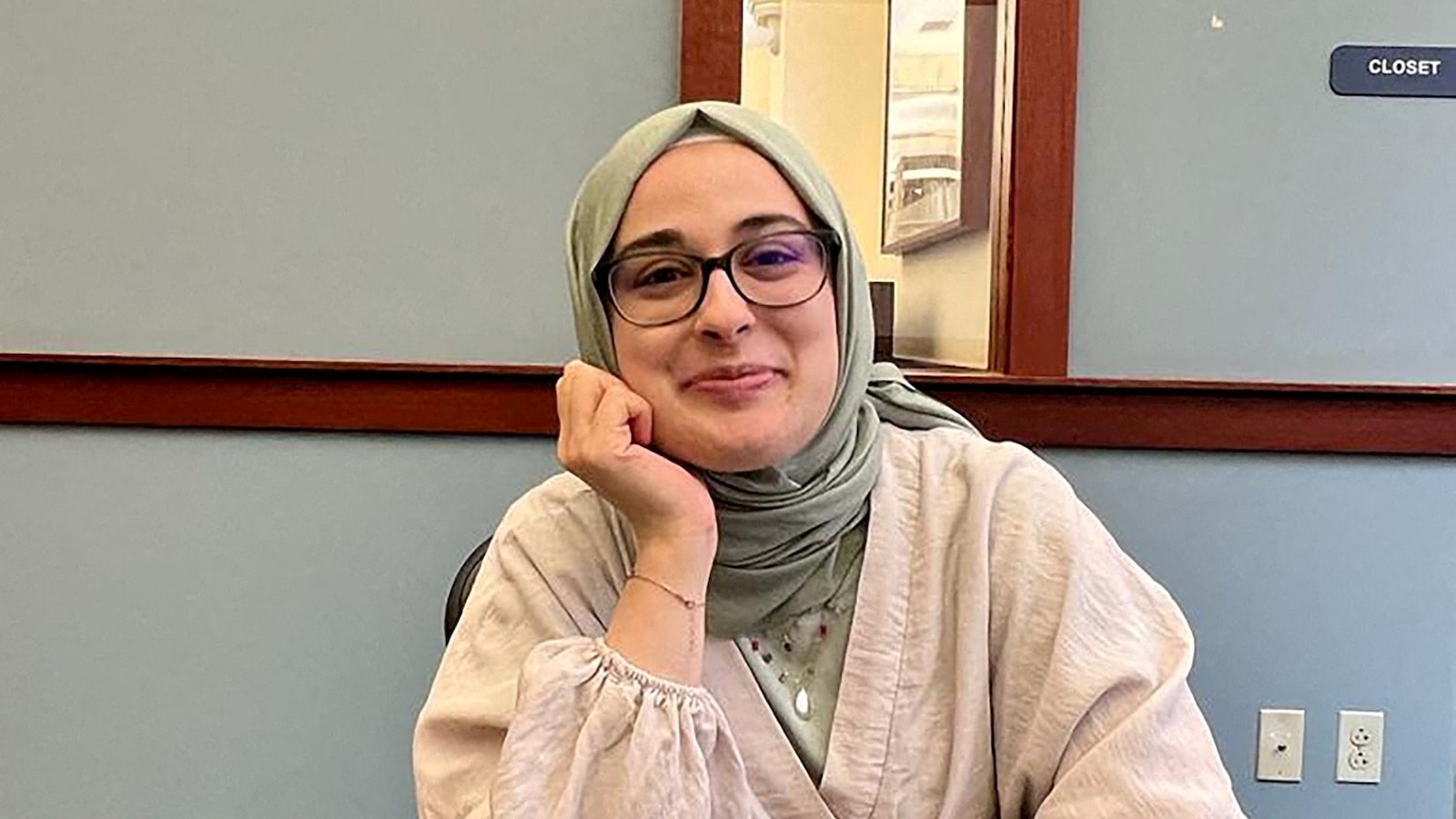
Court Ruling on Release of Tufts Doctoral Student from ICE
A decision was made by a federal judge in Vermont demanding the release of a Tufts University doctoral candidate, Rumeysa Ozturk, from the custody of ICE. This action follows the revocation of her visa under the Trump administration's policies.
Judicial Criticism and Lack of Evidence
The presiding U.S. District Judge, William Sessions, expressed stern criticism of the government's actions in this case. He declared that the only alleged evidence against Ozturk was an opinion piece she co-authored in a campus publication, with no further information being presented over a three-week period.
Judge Sessions emphasized that the government's case was primarily reliant on the discarded op-ed and provided nothing more substantial to justify their actions.
Student's Detention and Legal Defense
Ozturk, originally detained by ICE in Massachusetts, has been testifying remotely from a detention center in Louisiana. Her legal representatives argue that the Trump administration targeted her due to her critical column on university policies, particularly those calling for recognition of Palestinian issues and urging divestment.
Despite claims of her being a threat, no government witnesses were presented to substantiate such allegations, a point highlighted during her bail hearing.
Character and Academic Pursuits
Numerous declarations submitted to the court vouched for Ozturk's peaceful nature and dedication to her academic endeavors. Judge Sessions noted her focus on education and community engagement, dismissing any portrayal of her as violent or menacing.
In addition, Ozturk shared her involvement in humanitarian efforts. She organized initiatives aimed at aiding children affected by conflicts globally, underscoring her commitment to social impact.
Health Concerns and Release Conditions
Specific health issues, including frequent asthma attacks since her detention, were brought to the court's attention. Her legal team argued for the necessity of her immediate release due to these health challenges exacerbated by conditions within the detention facility.
Judge Sessions made clear his intention for her swift release from custody, instructing the government to set terms for her supervision upon release. The urgency of her condition was further heightened by the lack of timely medical provisions during transport to Louisiana.
Broader Visa Revocation Context
Secretary of State Marco Rubio asserted the broader reasoning for visa revocations under the Trump administration, citing engagement in activist movements as a disqualifying factor for student visas. This context sheds light on the motivations behind the revocation policies beyond Ozturk's case.
Leave a Reply