


Tufts Doctoral Student Released from Custody
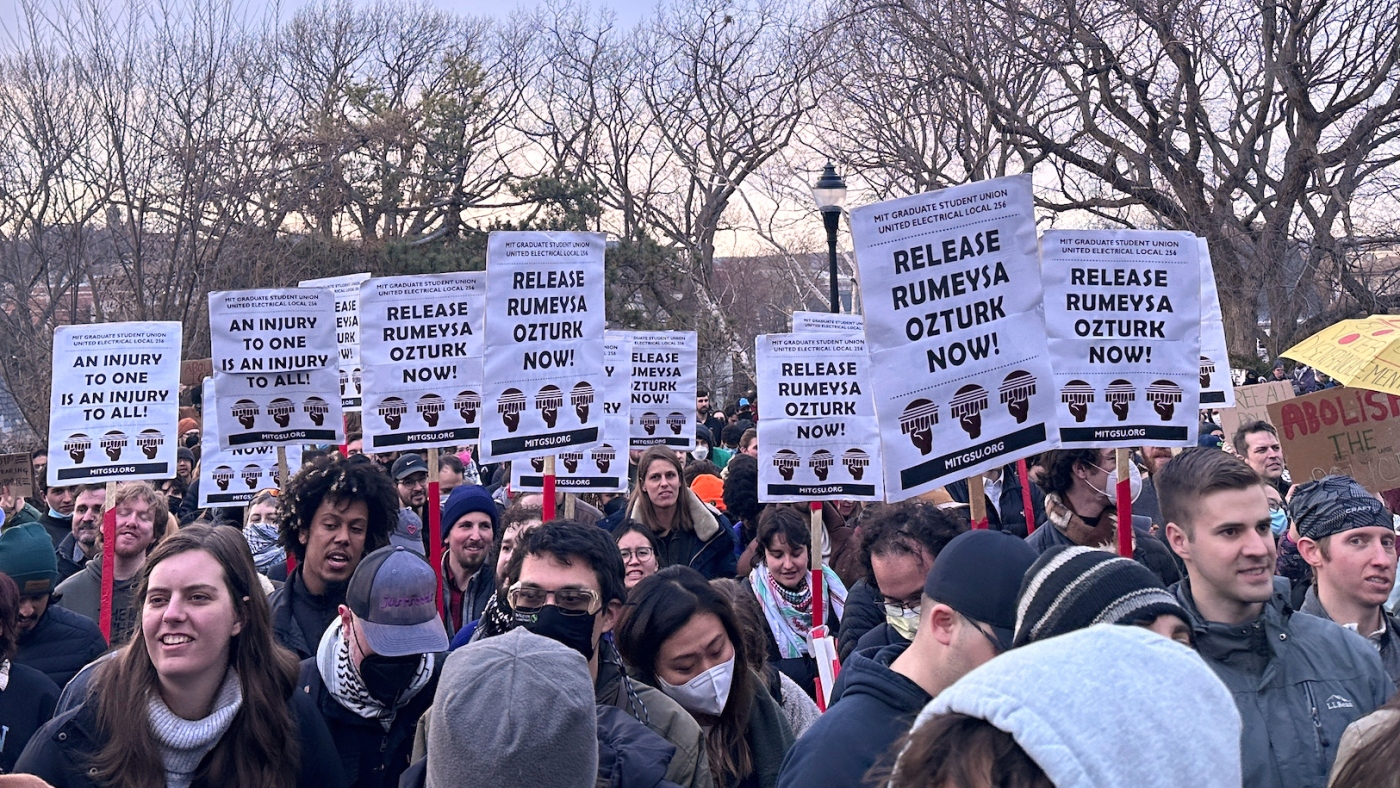
Amid a bustling crowd in Somerville, Massachusetts, on March 26, 2025, voices united to demand freedom for Rumeysa Öztürk, a visiting academic from Turkey pursuing her PhD at Tufts University. Just days prior, federal officers had seized her.
Legal Turn of Events
A directive from a Vermont federal judge has mandated the release of Rümeysa Öztürk from immigration control. This development occurs over a month since she was taken into custody by discreet immigration officials, highlighting a broader governmental campaign led by the Trump administration targeting campus activists sympathetic to Palestinian causes.
Judicial Insight
Judge William K. Sessions articulated in his verdict that her detention seemed to be an act of reprisal linked directly to her published perspective in a university paper, where she laid bare her criticisms regarding university leadership during the Gaza conflict.
"The government was previously advised to present any supplementary proof that could imply a significant risk," Sessions remarked. "No such evidence has surfaced beyond the disclosed editorial. The charges are insubstantial."
The court recognized Öztürk's substantial allegations of a breach of constitutional rights, consequently ordering her release without additional conditions, citing the incident as traumatic.
Continuing Legal Challenges
Öztürk's case epitomizes a significant impediment to the administration's efforts to deport individuals it accuses of antisemitic activism. Despite her release, she continues to face potential deportation as legal proceedings unfold.
Attorney Mahsa Khanbabai expressed joy over the release order yet lamented that the decision came after many days of unjust confinement for merely voicing opinions in favor of Palestinian rights. The broader societal implications of penalizing free expression remain a central concern.
Conditions of Detention
In a virtual court appearance, Öztürk recounted the harsh conditions she endured in detention, where her health notably deteriorated due to exacerbated asthma. Her testimony highlighted the overcrowding and unsanitary situations in the cell she shared with numerous other women.
Government's Stance
Tricia McLaughlin, speaking on behalf of the Department of Homeland Security, affirmed their commitment to the detention and deportation of individuals deemed unlawfully present.
The administration accused Öztürk of aligning with pro-Hamas initiatives and deemed her activities antagonistic to U.S. foreign policy, potentially disruptive to Jewish student communities.
Defense Against Accusations
Advocates argue that Öztürk's situation exemplifies a punitive attempt to stifle free speech under the guise of national security threats. Her legal team filed a lawsuit asserting that her arrest was an unconstitutional attempt to silence her activism.
Thus far, apart from her newspaper op-ed, no further corroborative evidence has been provided by authorities to substantiate their claims.
The Path Forward
Öztürk's arrest transpired after her student visa was rescinded without public notice, after which she faced swift transportation across multiple states to a detention facility.
Future court sessions scheduled in Burlington will further dissect the constitutional implications of her arrest, with Öztürk's advocates preparing to argue against the validity of the charges.
Leave a Reply