


Hawaii Families Get Compensation for Contamination from Jet Fuel Spill
A federal judge awarded 17 families over $680,000 collectively after they reported health issues from jet fuel contamination in Hawaii's Navy drinking water.
Judge Leslie Kobayashi, presiding over the U.S. District Court, announced the decision, allocating between $5,000 and $104,000 to each claimant. She noted while the toxic water possibly caused several symptoms, there wasn't definitive proof linking it directly to the health issues.
The compensation was much lower than the $225,000 to $1.25 million each that attorney Kristina Baehr proposed at the Honolulu federal trial.
As initial cases, these 17 were selected for their representativeness of the other 7,500 plaintiffs whose cases are pending.
Despite being underwhelmed by the compensation amounts, Baehr noted the families triumphed against significant challenges presented by the U.S. Government.
Baehr expressed that proving the Navy's role in poisoning water near Pearl Harbor marked a significant victory. "The Court did not accept the Government's stance that all our clients were merely imagining their ailments or that the degree of fuel exposure was insufficient to harm anyone," she stated in a press announcement.
The legal team is exploring alternatives for the remaining claims. Previously, Baehr shared that symptoms endured by her clients included cognitive difficulties, dizziness, skin rashes, nausea, and digestive discomfort.
Before the trial, the government accepted responsibility for the spill, yet its lawyers debated whether the contact with jet fuel was significant enough to lead to the claimed ailments.
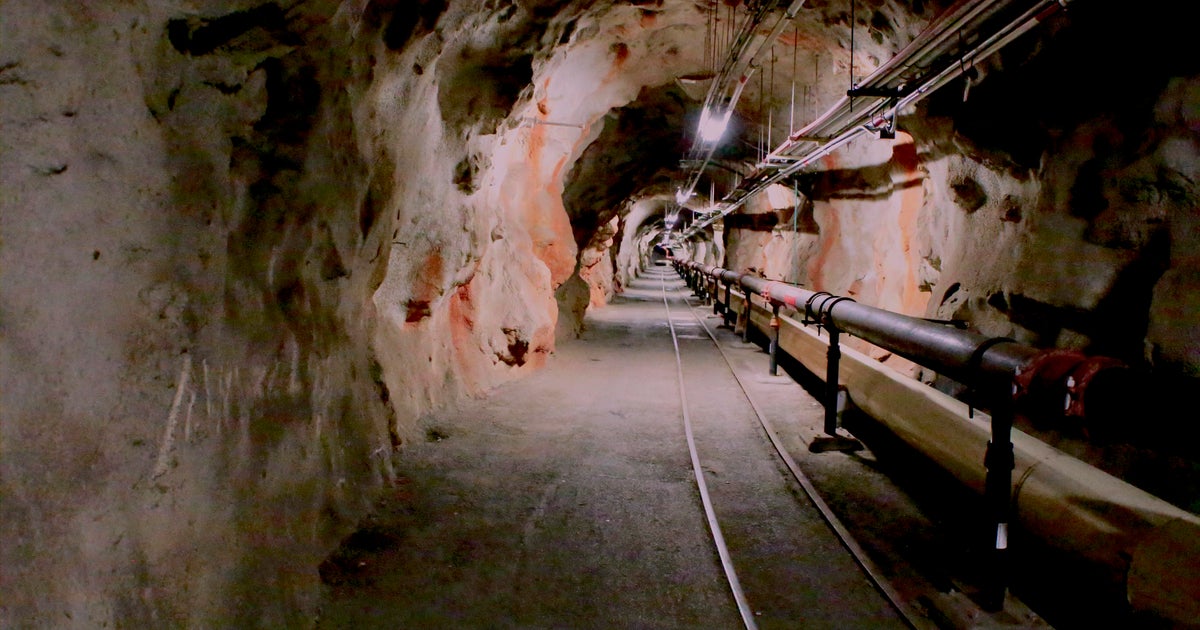
The spill occurred at a historic military installation designed in the 1940s for Pacific military operations, containing enormous tanks within mountains near Pearl Harbor, each capable of holding millions of gallons.
Beneath these tanks lies an aquifer utilized as a water source for both the Navy and the adjacent military base.
In May 2021, a leak let over 20,000 gallons of fuel infiltrate a fire suppression conduit. The unrecognized issue persisted until a cart collision six months later led to the trapped fuel release into the drinking supply for 90,000 individuals at Joint Base Pearl Harbor-Hickam.
A subsequent inquiry revealed that military personnel failed to alert state health officials promptly, ignored actionable opportunities to deploy emergency protocols, and prematurely declared water safety without testing.
Shortly after the incident, military family members reported health symptoms like vomiting, gastrointestinal distress, dermal irritations, and other maladies.
Ongoing health challenges such as seizures, asthma, and skin conditions were reported by plaintiffs.
Some affected, like Jamie Simic, spoke on the detrimental effects on their health, including her child losing teeth and suffering while preparing meals.
Affected resident Mai Hall recounted that her family and pets became ill rapidly post-leak while living in military housing, describing it as having post-apocalyptic overtones.
Outrage from communities, lawmakers, and ecological advocates led to the military's decision to decommission and evacuate the tanks after the event.
Baehr criticized these efforts, arguing the military did not thoroughly cleanse residential areas, leaving homes inadequately decontaminated.
Leave a Reply