


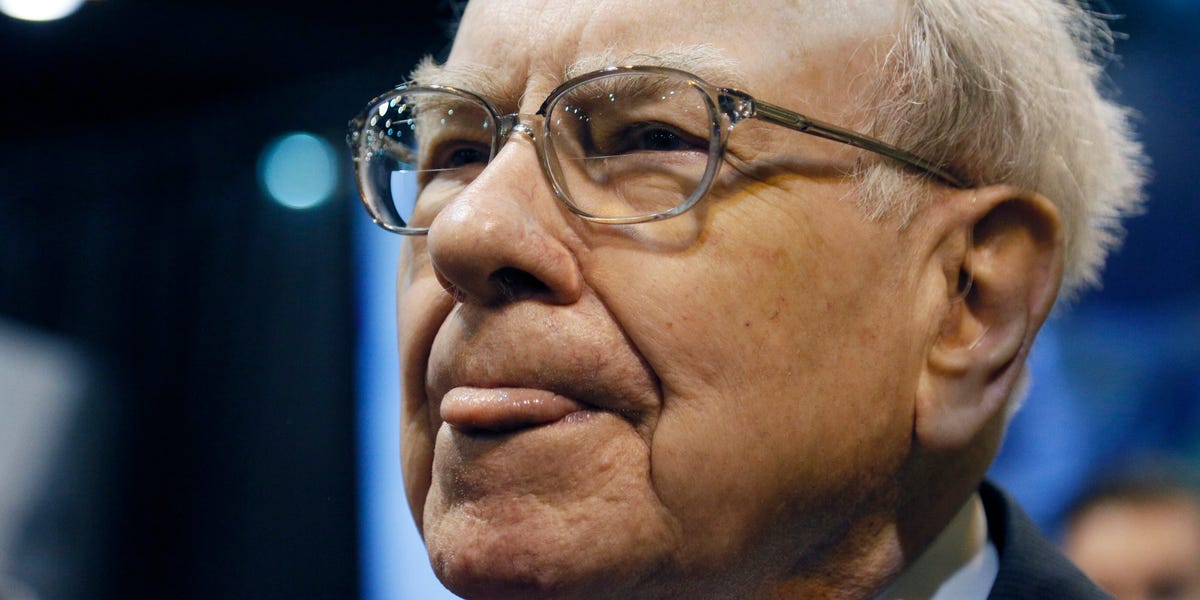
Warren Buffett's Guidance on Succession Planning with a Theatrical Touch
Warren Buffett's recent announcement regarding his imminent retirement as CEO of Berkshire Hathaway was both masterfully planned and dramatically unveiled.
This legendary financier stunned the audience over the weekend by sharing that he will vacate his CEO role at the year's end, paving the path for his chosen one, Greg Abel, to step into his shoes.
A Plan Years in the Making
Known as the "Oracle of Omaha," Buffett has been laying the groundwork for his retirement for quite a while.
His advanced years have been a recurring theme in his communications with shareholders, where he’s also praised Abel’s leadership skills and integral role in the company, often likening him to his late associate, Charlie Munger.
In this year’s message, Buffett noted, "At 94, my time to hand over the reins to Greg Abel is near, and soon he'll be penning these annual letters. Abel has repeatedly demonstrated his proficiency during pivotal moments much like Charlie did."
Buffett has formed a transition team featuring Abel, Ajit Jain from insurance, investment leaders Todd Combs and Ted Weschler, along with his son Howard, tasked with preserving Berkshire's ethos in his absence.
A well-known philanthropist, Buffett shared that his shares will be allocated to a trust upon his death, ensuring his children steer his fortune toward charitable efforts, thereby safeguarding the company from potential activist acquirers.
Babson College’s Bret Bero asserts that effective leaders prepare their companies for a future without them, and Buffett’s thorough preparations for this transition are indeed exemplary.
Easing the Transition
Anticipating that his resignation might rattle the market—evidenced by a 5% stock drop on Monday—Buffett took care to comfort stakeholders.
He confirmed that he intends to remain as CEO until the close of the year, with an ongoing role as chairman to continue his involvement, offering guidance to Abel.
Despite holding about 14% of Berkshire’s shares, worth over $160 billion, Buffett assured he wouldn’t sell. He supports Abel's leadership, asserting it was an economic move as he expects Abel to enhance company performance.
His unannounced revelation to shareholders, without first consulting Abel or the board (only two of his children knew), signalled his esteem for their trust and demonstrated his prioritization of their interests.
Jason Schloetzer from Georgetown University noted that this gesture was essentially gratitude to the long-term investors committed to Berkshire."
Buffett's personal choice of Abel aims to maintain shareholder confidence, deviating from the typical approach of engaging consultants for an external candidate search, according to Larry Cunningham from the University of Delaware.
The Theatrical Reveal
Although he prepared investors for his departure, Buffett couldn’t resist delivering the news with flair.
He meticulously kept the decision under wraps, which ensured a striking impact as he shared the news without prior hints to colleagues or Abel himself.
Buffett spent nearly five hours addressing questions before dropping this major news in his concluding remarks, effectively making his announcement the pinnacle of the session.
This secrecy prevented any preemptive speculation or premature buzz, allowing Buffett to interact with stakeholders genuinely.
Macrae Sykes from Gabelli Funds appreciated the theatrical element Buffett introduced, suggesting it deserved both an Oscar and a lifetime achievement recognition.
Steve Hanke from Johns Hopkins University praised Buffett as a "master showman," highlighting his understanding of controlling the narrative rather than being overwhelmed by it.
Schloetzer emphasized Buffett's knack for crafting a memorable finale, noting that no formal communication could match the impact of this moment.
Leave a Reply