


Could the Rise of an American Pope Be in the Cards?
Editorial Perspective from the Senior Staff
When considering an American for the papacy, one name that stood out was Cardinal Robert Prevost, who now holds the papal name Leo XIV.
Having followed the last two papal elections and the final years of John Paul II’s leadership, I was taken aback by this selection. Historically, the view was that the European-centric College of Cardinals would never elevate an American to the papacy. America, viewed as a global superpower, seemed unlikely to also dominate the spiritual seat of St. Peter. Time and again, during the selections of Benedict XVI and Francis, Americans were cautiously mentioned as papal possibilities, almost always deemed unlikely contenders.
Cardinal Prevost’s Unexpected Journey
At 69, Leo XIV stands as a testament to overcoming expectations. Several reasons illuminate this outcome. Despite being a Chicago native, he spent the majority of his life abroad. Two decades in Peru saw him serve in varied roles from missionary to bishop, even securing Peruvian citizenship. As president of the Pontifical Commission for Latin America, where a significant number of Catholics reside, he was seen by the 133 voting cardinals as having a global, rather than purely American, perspective.
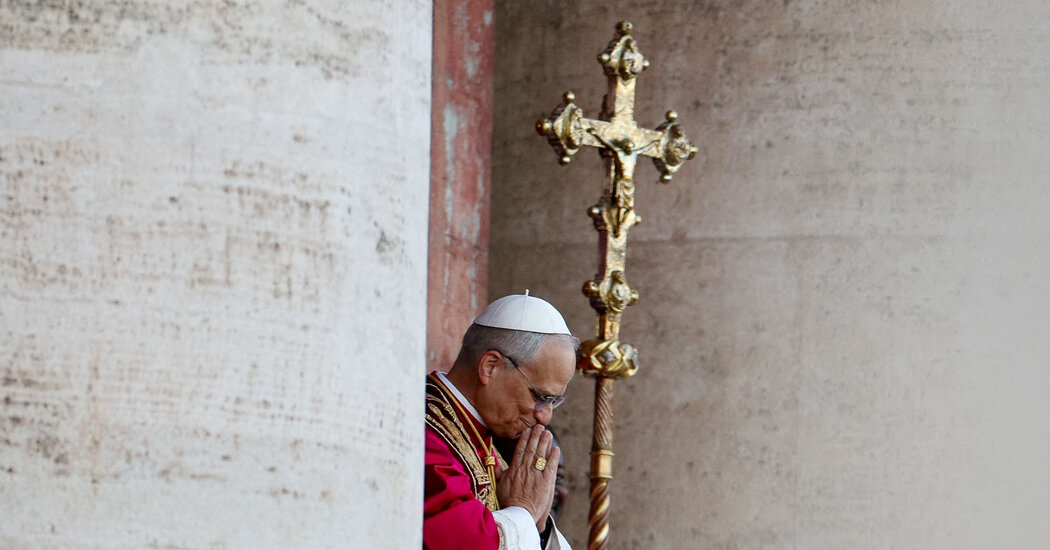
Upon his introduction from the St. Peter’s Basilica balcony, Leo XIV adhered to tradition by addressing the congregation in Italian, with additional remarks in Spanish — notably omitting English.
Impact of Francis’ Influence
The election arguably bears Francis’ imprint. Many of the cardinals in attendance were appointed during his tenure, increasing representation from outside Europe. A substantial number were unfamiliar with each other or hadn’t assessed each other's suitability for papal duties.
Nonetheless, Cardinal Prevost stood out. He was appointed by Francis to oversee the Vatican department responsible for bishops, facilitating numerous papal appointments. Most bishops likely encountered him during their required visits to Rome.
Considerations of American Influence
One can only speculate about the cardinals’ thought process behind their closed conclave doors in opting for an American pope. Given the United States’ monumental yet waning influence in international matters—highlighted by diplomatic withdrawal and inward-focused policies—the timing seems opportune for a shift towards an American pontiff.
Perhaps the diminishment of America’s prevailing global stance, intensified during the contentious Trump era, inadvertently paved the way for this historic papal election.
Daniel J. Wakin has penned stories and edited content for The Times over twenty years. He authored “The Man With the Sawed-Off Leg and Other Tales of a New York City Block.”
Leave a Reply