


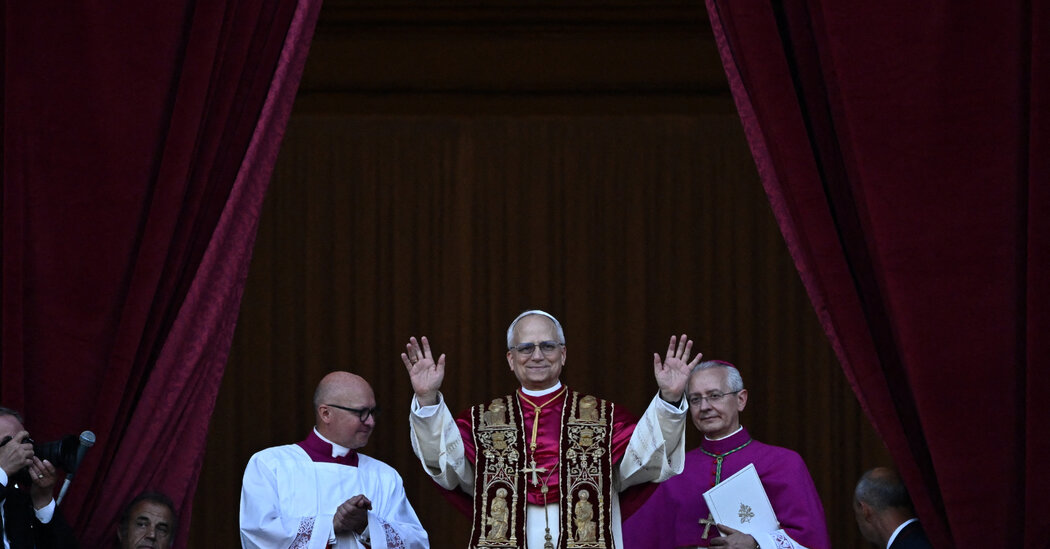
Historic First: Robert Francis Prevost Becomes Pope Leo XIV
Breaking a centuries-old tradition, Robert Francis Prevost from Chicago was chosen as the 267th Pope of the Catholic Church. On the second day of the conclave, the decision was made, and Prevost took the name Pope Leo XIV, standing as the first American ever to assume the papacy. He greeted the faithful with a message of peace.
An Unexpected Choice
Prevost's election came as a surprise to many observers who believed that an American pope was a remote possibility. As the conclave reached its consensus after 24 hours of deliberation, they decided on a leader who would either continue the path of his predecessor, Pope Francis, known for his focus on inclusivity, or perhaps carve out a new direction for the Church.
Background and Global Influence
At 69 years old, Pope Leo XIV has a wealth of international experience that shapes his perspective. Having spent significant time in Peru, where he became a naturalized citizen and a bishop, Prevost has long been involved in parish ministry and education. His extensive service as the head of a major Vatican office gives him substantial insight into ecclesiastical administration.
Noted for his modesty and global perspective, Prevost's approach could differ stylistically from that of Pope Francis. His advocates hope he will continue the process of engaging laypeople in dialogues with bishops.
Future Directions and Challenges
As Pope Leo XIV assumes leadership, he faces crucial decisions, including how to address issues related to LGBT Catholics and the ongoing crisis of abuse within the Church. His past statements reflect a traditional stance, yet every papacy has the potential for change.
With a commitment to peace and justice, the new pope seeks to emphasize unity within the Church. His background as an Augustinian could influence his pontificate, as he expressed gratitude to Pope Francis and a desire for a more inclusive Church.
Reflections on the Significance
The election of Pope Leo XIV signifies a breaking of tradition, illustrating the Vatican’s shifting cosmopolitan outlook, having now elected popes from continents outside Europe, including Latin America and North America. His leadership is seen as a symbol of change in the Catholic Church, responding to global needs and perspectives.
In his initial address, Leo XIV placed significant importance on fostering peace and connectivity among cultures, sticking closely to his heritage while engaging with wider issues faced by the global Catholic community.
Leave a Reply