


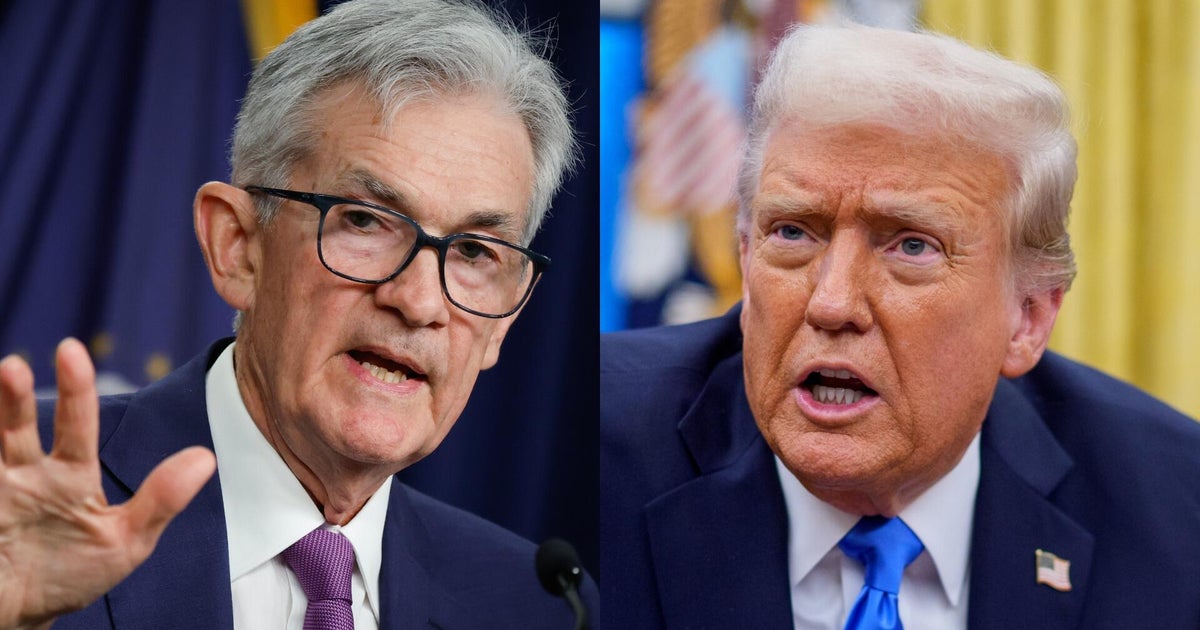
Trump Labels Federal Reserve Chair a "Fool" for Rate Decision
President Trump publicly rebuked Jerome Powell, the head of the Federal Reserve, on Thursday for his decision to leave interest rates unchanged at the Fed's meeting on May 7. Trump scorned Powell as a "fool," expressing frustration over the delayed adjustment in the central bank's key interest rate.
This critique is the latest in a series of Trump's disparaging comments targeting Powell for maintaining consistent rates throughout the year. Meanwhile, on the same day, the Bank of England opted to trim its chief interest rate by 0.25%, lowering it to 4.25%, in response to worries about the global economic impacts of the Trump administration's tariff strategies.
The Federal Reserve last reduced rates in December 2024, setting them between 4.25% and 4.50%, where they remain today.
At a press briefing, Powell justified the stable rates, emphasizing current positive economic indicators in the U.S. He explained that the Fed aims to delay any actions until the full consequences of Trump's economic measures, such as widespread tariffs affecting inflation and fiscal growth, are clear.
In contrast, Trump incorrectly claimed that there is virtually no inflation, despite annual inflation data for March showing a slowdown compared to previous months but still surpassing the Fed's 2% target.
"Energy costs have plummeted, and so have almost all other expenses, like groceries and eggs. There's basically no inflation! Tariff money is flooding the U.S. — this is exactly the opposite of being 'too late!' Celebrate!" Trump declared in his Thursday message.
Powell has repeatedly emphasized the importance of the Fed's autonomy, noting in December that protecting the Federal Reserve from political interference serves the interests of the American populace by enabling decisions driven by economic data rather than political demands.
Economists underscore that the Federal Reserve's independence allows it to fulfill its dual mission of maintaining low inflation and optimizing employment levels, free from political pressures. They have observed that countries with central banks susceptible to political whims often encounter economic instability.
Austan Goolsbee, president of the Chicago Federal Reserve Bank, expressed to CBS News that most economists agree on the critical need for central banks to operate independently from political interference.
Advisory analyst Will Denyer from Gavekal Research suggested that Trump's continuous pressure could potentially backfire, forcing the Fed to cautiously avoid appearing to yield to his demands.
Denyer warned in a research note dated May 6 that Trump's environment might compel Powell to tread with extreme caution. By labeling Powell "Mr. Too Late," Trump may have unintentionally set a challenging scenario for the Fed's future movements.
Reporter Profile
Aimee Picchi is the associate managing editor at CBS MoneyWatch, covering various business and financial topics. Her previous experience includes roles at Bloomberg News and contributions to outlets like USA Today and Consumer Reports.
Leave a Reply