


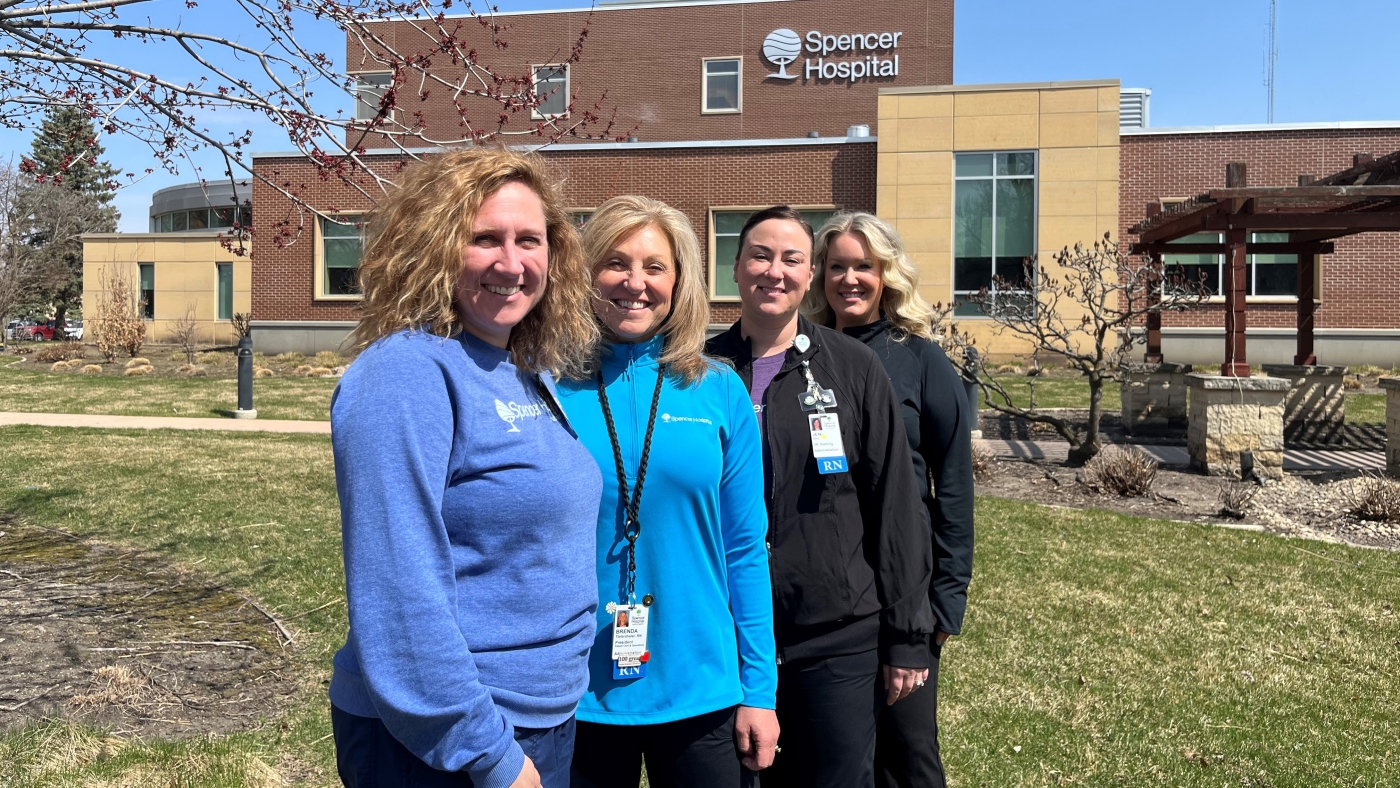
Medicaid Funding Faces Cuts Threatening Mental Health Facilities
The survival of inpatient mental health services at Spencer Hospital in Spencer, Iowa is becoming increasingly uncertain as federal lawmakers consider slashing Medicaid funds.
Though CEO Brenda Tiefenthaler is committed to keeping mental health care accessible, the financial burden looms large for the hospital, especially if more cuts in Medicaid occur. This health insurance program, sustaining a significant portion of mental health patients, is crucial even as it faces possible reductions.
Medicaid's Critical Role in Mental Health
Spencer Hospital, one of Iowa's increasingly rare facilities offering psychiatric care, reports that nearly 40% of its mental health patients are under Medicaid. An additional 10% lack any insurance. These proportions underscore a trend observed nationwide, where mental health care remains dependent on Medicaid support.
Tiefenthaler emphasizes the necessity of keeping the mental health unit operational, despite its annual $2 million deficit, highlighting the essential nature of the care provided.
Potential Consequences of Medicaid Reductions
If individuals lose Medicaid coverage, they may delay seeking mental health treatment, often landing them in crisis situations, according to hospital leaders. These scenarios usually result in emergency room visits, which are not sustainable as solutions for systemic issues.
While some Republican congressional members advocate for maintaining Medicaid for the most in need, others propose significant federal budget cutbacks, enveloping programs like Medicaid.
Broad Impact on Mental Health Services
There is a significant national shortfall in inpatient mental health services, stemming from closures in both private and public sectors, exacerbated by financial unsustainability.
The American Hospital Association cites that around 100 hospitals have withdrawn from providing these vital services, with many citing these services’ financial unviability as a leading cause.
Medicaid typically reimburses hospitals at a lower rate compared to private insurance or Medicare, and so, approximately one in three non-elderly Medicaid beneficiaries suffers from some form of mental disorder.
Challenges in Meeting Demand
In Iowa, merely 20 out of 116 community hospitals retain psychiatric care services in-house. Nonetheless, there's still a significant shortfall in provision according to national advocacy standards.
"Jail is Not a Solution"
Due to limited available beds, patients often wait days in emergency departments before securing placement. Transport to out-of-area facilities is common, with law enforcement frequently involved, presenting another challenge.
Clay County's Sheriff Chris Raveling noted that mental health patients occasionally end up incarcerated on minor charges due to their conditions, underscoring the inadequacy of this approach.
"Most are better managed as outpatients," observed Raveling, pointing out that these services too heavily rely on Medicaid and might become targets for budget cuts.
Psychologist Jon Ulven stresses the importance of early intervention in mental illness, warning of the setbacks that arise when treatments are delayed due to funding shortfalls.
Medicaid's Overarching Protection
According to a national study by Strata, Medicaid covered nearly 41% of inpatient mental health cases in 2024. With the potential reduction in Medicaid availability, numerous patients risk facing untreated crises with minimal financial aid.
Steve Wasson of Strata acknowledges, "Medicaid's compensation rates, although low, are crucial and better than none at all," noting the reliance on such coverage by those lacking extensive financial resources.
A Community-Focused Outlook
Spencer Hospital endeavors to keep delivering mental health and birthing services despite prevailing challenges. They employ several dedicated mental health professionals, even utilizing remote care options from out-of-state practitioners.
David Jacobsen, a local whose son tragically succumbed to mental health struggles, stresses the importance of continuing such services. He fears cuts to Medicaid will disproportionately harm those with the greatest needs, impacting the entire community, irrespective of insurance status.
He notes, "Mental illness does not discriminate and can devastate even the most resilient individuals. Learning from this is crucial to improving care access and outcomes."
Leave a Reply