


Exploring Metformin as a Potential Ally Against Colon Cancer
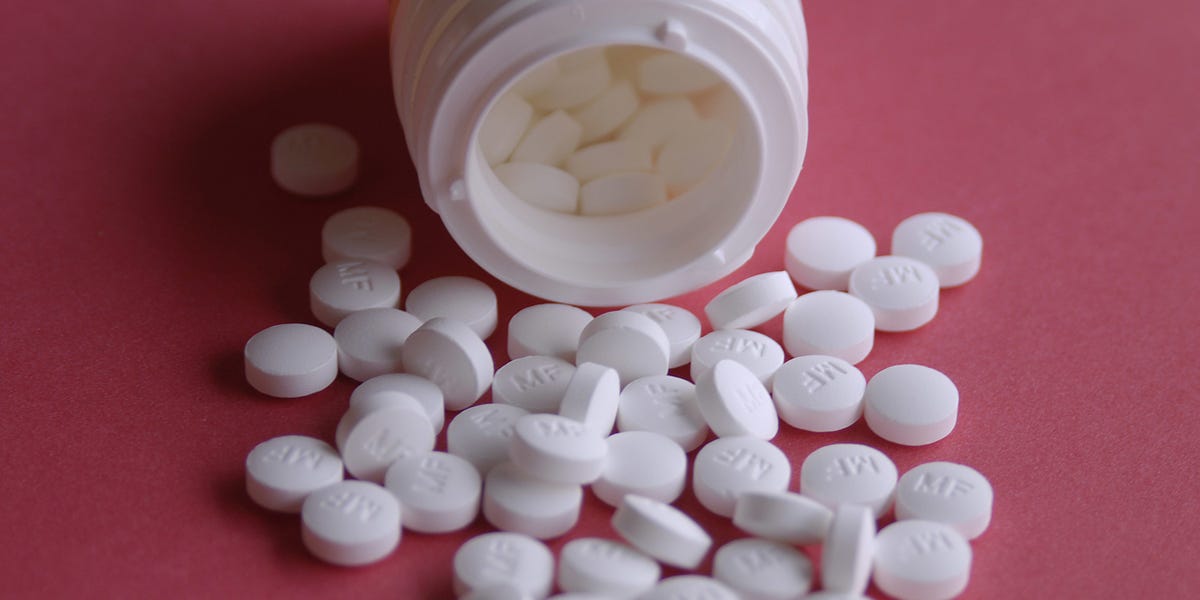
An economical drug, commonly used to manage diabetes, known by some as a miraculous medicine, may offer promise as an adjunct in the fight against colon cancer.
At a recent conference held by the American Association for Cancer Research in Chicago, researchers shared insights on metformin, a global leader among diabetes treatments, and its interaction with challenging colon cancer cells. While the findings are in their infancy, they are unfolding steadily.
"Metformin presents an intriguing complementary option for cancer therapy," explained Holli Loomans-Kropp, a specialist in cancer prevention at The Ohio State University, spotlighting the new opportunity that metformin research could herald.
Observations have shown diabetes patients on metformin having reduced colon cancer incidence, implying a preventive role of the drug. Current exploration is among the first to investigate its potential in tackling colon cancer once present.
In preliminary lab studies with cultured cells, Loomans-Kropp and her team discovered that metformin could complement certain treatment protocols. It's unlikely to be standalone therapy but could enhance outcomes when combined with other therapies.
Loomans-Kropp is optimistic about its potential for colon cancers with a KRAS mutation, notoriously difficult to treat. Success would demand confirmed results in additional animal studies and clinical trials before it could become a reliable treatment option in medical practice.
Metformin: Rewiring Energy Usage in the Body
One of the notable advantages of examining metformin's role in colon cancer is its existing widespread availability and low cost.
Loomans-Kropp questions if current, widely known drugs with established safety profiles could be repurposed for novel health challenges.
Available extensively, metformin is inexpensive, costing mere cents per dose, making it an attractive option for further application.
Metformin is hailed for its extensive benefits beyond glucose regulation and is studied for potential improvements in heart health, cancer prevention, and cognitive function.
By altering sugar metabolism, metformin addresses diabetes. This energy regulation may similarly thwart colon cancer's growth by limiting its energy sources.
"If we can harness metformin's ability to alter cellular energy use, influencing division and proliferation, we may unlock a valuable therapeutic mechanism," said Loomans-Kropp.
Research into its energy-modulating properties also fuels interest from longevity scientists, who are exploring its role in disease prevention.
According to Dr. Nir Barzilai, a renowned figure in aging research, metformin might be an effective option for cancer prophylaxis, but underscores the necessity for more conclusive studies.
"Science should be our guide," he stated in correspondence with Business Insider.
Loomans-Kropp aspires to progress to animal trials soon if positive results from her preliminary cell studies continue to emerge.
Leave a Reply