


Americans Brace for Trade Policy Changes with Strategic Stockpiling
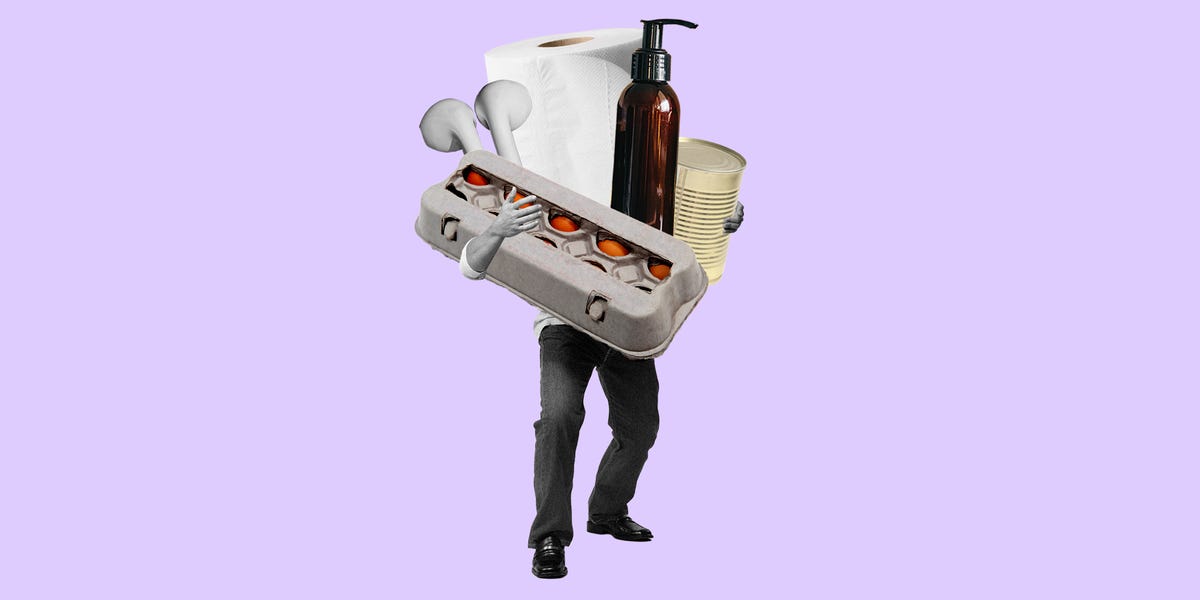
As Donald Trump's proposed tariffs loom, many Americans are strategically purchasing goods to buffer against potential price surges. Among them is Kristen Hull, a 38-year-old accountant who has expedited her plans to acquire a new vehicle.
Originally intending to make the purchase six months later, Hull was spurred into action by concerns that automotive prices could skyrocket if tariffs suggested by Trump come to fruition. "I worried that if I waited, I might be priced out," she shared. Hull is also considering investments in electronics and winter wear as a precaution against possible hikes.
Trump's campaign included pledges for a 60% tariff on Chinese imports and a 10% to 20% levy on other international goods, sparking uncertainty about their implementation and intensity.
Retailers and Consumers Prepare for Changes
Businesses have hinted that added costs from tariffs would likely be transferred to shoppers. Companies like AutoZone and Columbia Sportswear have signaled potential price increases.
Social media platforms, particularly TikTok, have become conduits for advice on hoarding essentials such as beauty and clothing products, garnering significant attention and urgency.
Karoline Leavitt, linked to the Trump-Vance transition, commented that prior tariffs forged employment opportunities and investment, without inflating costs.
Prepping for Economic Shifts
A 42-year-old Indiana resident has reembraced survivalist tendencies amidst Trump's proposed tariffs. Having a history rooted in skepticism towards governmental structures, she is meticulously stockpiling essentials for her family.
Her strategy involves an incremental spend upwards of $3,000 on perishable and non-perishable items, opting for local meat and preserved foodstuffs. This renewed vigilance began with a suspicion of Trump's re-entry into the political arena.
Dutta-Gupta from Georgetown and the Roosevelt Institute suggests it's practical for households to prepare, considering the potential economic impacts.
Consumers Adjust to Anticipated Fiscal Pressures
Marissa Garcia, another consumer adjusting her purchasing habits, began selectively stockpiling after Trump's victory, focusing on goods likely to be affected by tariff changes.
While previously indifferent to tariffs, Garcia now prioritizes stocking up on staples like fruits, vegetables, and hygiene products, concerned about future affordability.
Business Adaptations to Import Costs
Beatrice Barba, head of a company producing eco-friendly cups, faces economic strain from potential tariffs affecting her Chinese-sourced materials. She contemplates acquiring additional inventory worth $200,000 to mitigate future price hikes.
Simultaneously, she invests in a digital application project to sidestep tariff implications.
In Florida, salon owner Lisa Evans scrutinizes the origins of her products, alarmed by price increases of imported ingredients critical to her operations.
With hair extensions heavily reliant on Chinese imports, she proactively bolsters her stock.
Industry and Market Observations
Jonathan Gold from the National Retail Federation notes the complexity of preparing for Trump's trade measures, advising readiness despite the forecast being undefined.
This current economic climate contrasts sharply with 2018, affecting businesses' capacity to absorb added expenses.
Individuals Strategize for Uncertain Economic Conditions
Javon Ford, a chemist, prepares to secure essential cosmetic materials to combat potential volatility in supply costs due to tariffs, stressing the difficulty in predicting future demands.
Kristen Hull, who recently bought a car influenced by tariff anxieties, sums up her approach: meticulous budget management coupled with cautious optimism.
Leave a Reply