


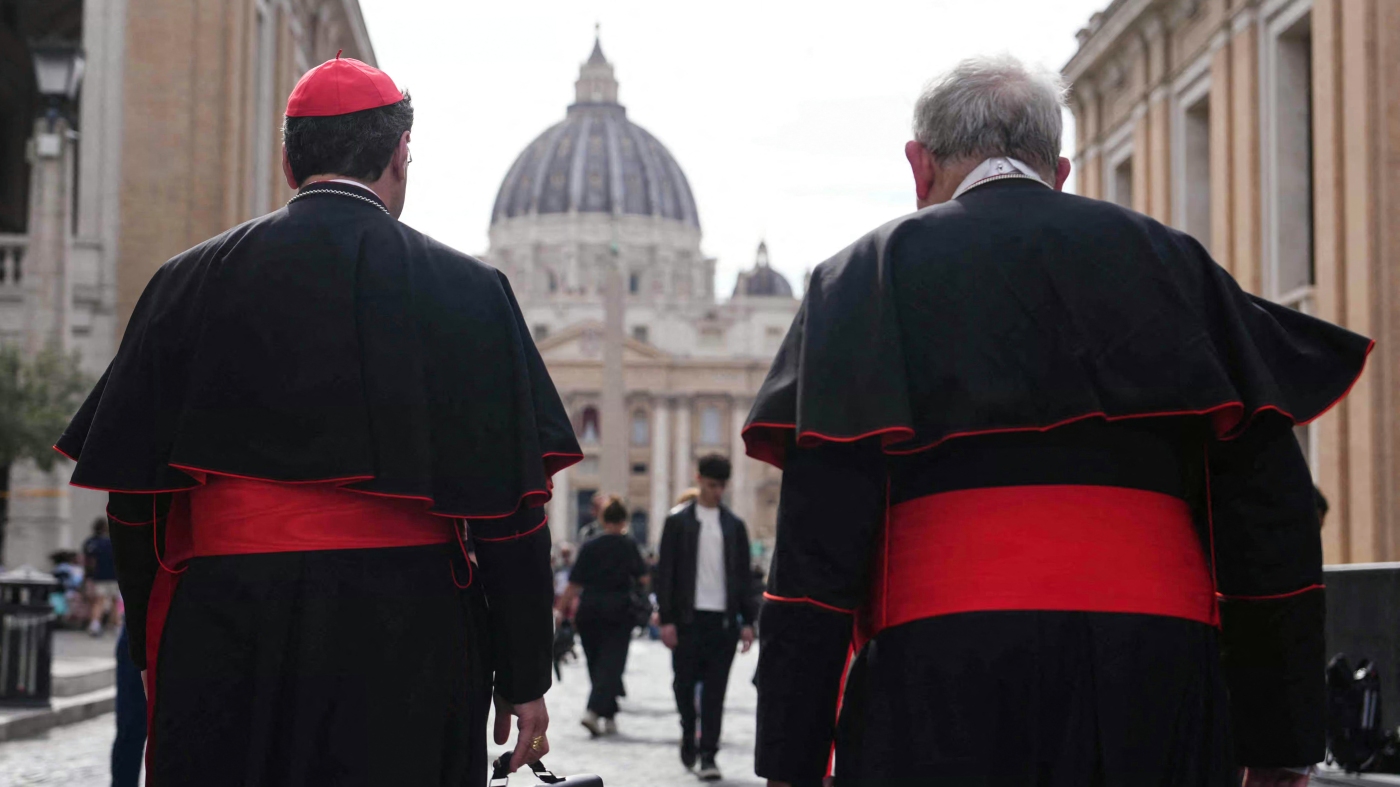
The Initiation of the Papal Conclave
Catholics globally are anticipating the selection of a new pope. Attention is centered on the Sistine Chapel where 133 cardinals will commence the secretive ceremony known as the conclave.
In recent days, both pilgrims and reporters have descended upon St. Peter's Square. While pilgrims engage in the singing of hymns, journalists seek insights from cardinals regarding their preferences for the new pontiff. Previously, closed-door discussions among the cardinals addressed church matters and the desired attributes of the future pope.
The culmination of a nine-day ritual, a special Mass will precede the conclave on Wednesday, held within St. Peter's Basilica to honor the election of a successor.
Following the Mass, cardinals donning crimson robes will proceed to the Sistine Chapel. Beneath iconic frescoes by Michelangelo, they will listen to sermons prior to beginning the voting process.
The cardinals remain isolated in the Vatican until a new pope is chosen, signaled by the appearance of white smoke from a chimney atop the chapel. Meanwhile, the Papal Swiss Guard maintains vigilance outside.
Ceremonial Oaths and Secret Proceedings
Commenced with an oath of secrecy, the conclave demands complete confidentiality as outlined by Pope John Paul II. Cardinal electors risk excommunication for breaches of this secrecy, adding a layer of intrigue to the procedure.
Initially, one voting round occurs, with subsequent rounds scheduled for each morning and afternoon, until a decision is reached. These votes are secret and conducted amidst high expectations.
Ballots are threaded together with a thread—a symbolic gesture—before being burned to produce either black or white smoke, indicating the outcome. Previously, straw was used to generate the smoke's color, but chemicals now ensure clarity.
The conclave continues with prayer, reflection, and voting until the pope is elected. Historically, these conclaves from the 20th century have lasted under four days.
The Announcement and New Papal Role
Once a candidate secures the necessary two-thirds majority, they are asked if they accept the papacy. The subsequent query involves their chosen papal name.
After acceptance, official documentation is prepared, and the new pope is fitted with papal garments. Attendants have prepared three sizes of vestments to accommodate the newly elected.
With the announcement 'We have a pope!' the senior cardinal deacon presents the new pontiff to the public from the balcony overlooking St. Peter's Square, where he then offers his first blessing to the people.
Leave a Reply