


Rare Bone Fractures from Breastfeeding: A Mother's Struggle
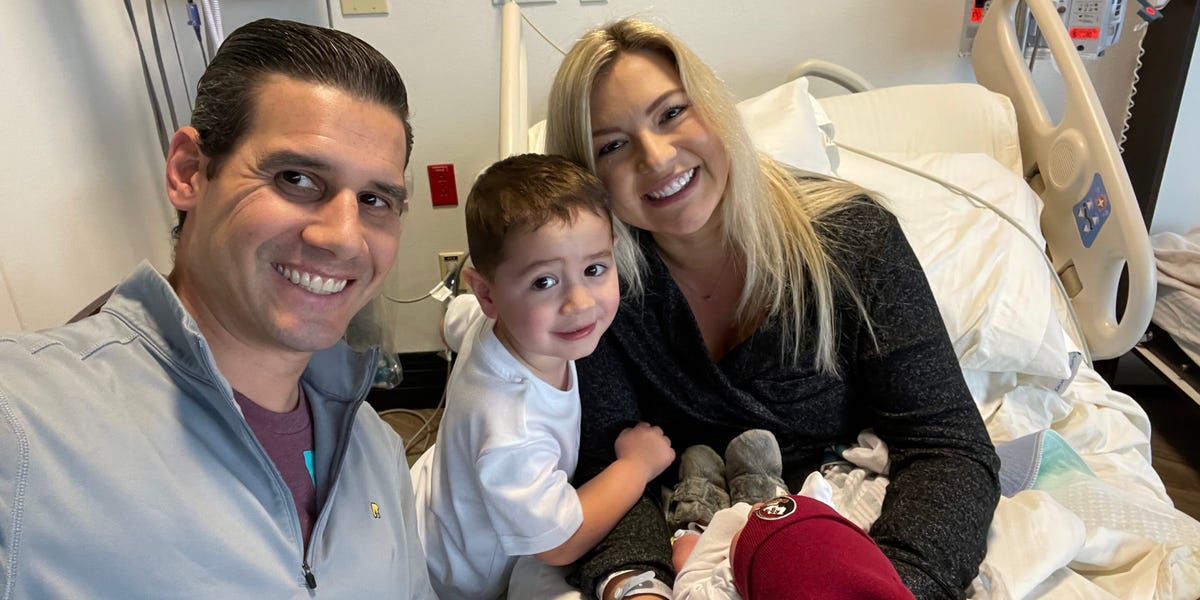
Just a few months after welcoming her second child into the world, 35-year-old Ultima Espino found herself relying on a walker to move around her home.
The ordeal began with a sharp discomfort in her back as she lifted her toddler from the car seat, which Espino initially dismissed as a severe pulled muscle.
She recalls, "The intensity of that ache just seemed to multiply every hour of every day." Only many doctor visits later did she uncover the truth: her spine harbored several fractures, caused by an unusual condition linked to breastfeeding.
The revelation was baffling to Ultima, known for her high activity levels, including attending exercise classes regularly during her pregnancies. While she continued her fitness regimen with her first pregnancy, circumstances changed in her second, as joint pain surfaced two months shy of her due date, forcing her to stop.
Espino noted, "I figured it was just normal since not many keep up with workouts during pregnancy." However, post-childbirth, everything seemed fine until the back issue intensified. Her agony grew so overwhelming that an interventional spine specialist eventually suggested a back brace, and her husband advocated for a walker.
The eventual diagnosis was daunting: osteoporosis—a condition typically seen in post-menopausal women.
Mystifying Pain with No Clarity
Operational as a senior sports partnership director, Espino initially believed her pain stemmed from common postpartum issues, like a weakened core, leading her to consult a pelvic floor therapist.
However, upon consultation, the severity of her discomfort was clear. "I couldn't even get dressed without breaking down," she explained. The therapist confirmed the issue was beyond their scope.
No clear explanation surfaced for months as the unbearable pain forced her to adopt unusual ways to care for her baby, even requiring rest every time she approached the bassinet.
Her struggles were evident particularly during routine tasks like dealing with car seats. A terrifying incident where the family car seat almost fell highlighted the severity of her condition.
Espino eventually realized there were deeper issues at play, prompting her husband to propose the use of a walker to ease her mobility issues within the home.
A particularly severe episode occurred one morning, during an ordinary activity of helping her elder son prepare for school. A sneeze triggered unprecedented pain.
"I knew instinctively that something was horribly wrong," she recounted, describing it as more excruciating than childbirth. "It felt like my spine was ripping apart."
Discovery and Diagnosis
An urgent visit to the orthopedic clinic and an MRI revealed she had four compression fractures. Comprehensive tests followed, from calcium checks to ultrasound scans and bone density tests, which confirmed osteoporosis, but the cause remained elusive.
A breakthrough came when Dr. Christine Jablonski, one of her medical consultants studied Espino's case. Suspecting her condition might be linked to lactation, Dr. Jablonski's insights were influenced by Espino's family history and the unusual milk production in her pregnancies, leading to unusual calcium depletion.
Dr. Jablonski, attending a major osteoporosis conference, found validation when experts confirmed Espino could indeed have pregnancy and lactation-induced osteoporosis.
Espino's genetic predisposition, compounded by pregnancies in quick succession and extensive milk production, likely triggered this rare condition.
Adapting and Moving Forward
Espino was advised to stop breastfeeding to mitigate calcium loss. This was emotionally challenging as she cherished breastfeeding her second son, having faced difficulties with her first.
Further childbirth was discouraged to avoid worsening her condition. "We had intended to stop at two children, but receiving such news amid intense pain was devastating," she remarked.
For over a year, she has been on a regimen involving bone-strengthening injections and calcium supplements. Initial treatments have improved her bone density by 15%, with one fracture healing, yet a pain-free existence remains uncertain.
There have been encouraging signs of recovery; she can now engage more easily with her children, holding her youngest and interacting with her eldest.
Ultimately, Espino values the decision to seek medical advice and urges similar action from other mothers, despite the rarity of her condition. "As mothers, we tend to shoulder everything, accepting it as a difficult phase," she advised, stressing the importance of self-care for those caring for others.
Leave a Reply