


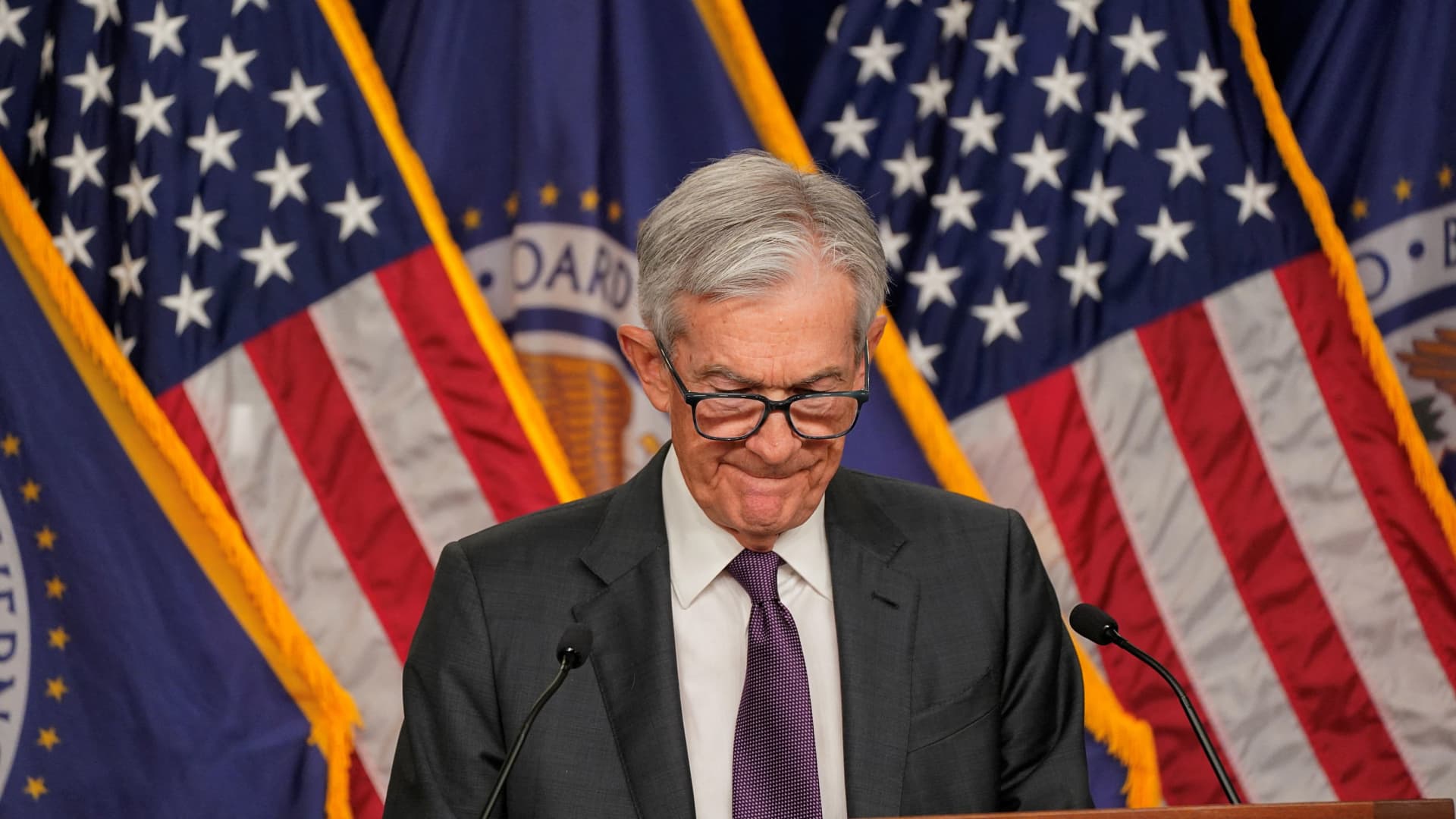
Federal Reserve and Economic Outlook
The latest survey conducted by CNBC regarding the Federal Reserve reveals anticipation of an interest rate cut this year. Despite the current economic conditions hinting at stagflation, with climbing inflation and unemployment rates along with an increased likelihood of a recession, experts believe rate reduction is on the horizon.
Fed's Approach in Economic Challenges
When posed with the challenge of surging prices and dwindling growth, a significant majority of the survey’s experts—65%—predict the Federal Reserve will decide to lower interest rates to counteract the anticipated economic slowdown, despite persistent inflation concerns.
This marks a notable shift from March, where only 44% expected cuts under similar circumstances. Today, a mere 26% believe rates will stay consistent, and just a small fraction see them increasing.
Projection on Interest Rates and Economic Metrics
The group of 31 experts, comprising fund managers, analysts, and economists, anticipates that the central bank’s rate will decrease from 4.33% to 3.71% by the close of this year and further to 3.36% by the end of 2026.
Meanwhile, the predicted recession probability has climbed to 53%, a stark increase from just 22% in January—a reflection of significant economic shifts since the Fed's aggressive rate hikes last year.
Economic Growth Outlook
The anticipation for economic expansion remains low at 0.8% for this year, considerably down from the previous year's robust 3.1%. Nonetheless, expectations lean towards a recovery by 2026, bolstered by policies aimed at reducing regulation and enhancing growth.
Despite current pessimism, a few believe favorable governmental measures will propel the economy forward, predicting a gradual upturn to around 2% growth by 2026.
Stock Market Sentiments
The sentiment regarding equity markets remains cautious, with a substantial 69% expressing concerns about market overvaluation. Stocks are largely seen as unprepared for an economic downturn, though gains are expected to materialize by 2026.
Impact of Tariffs
Concerns over tariffs are adding to the bearish economic outlook. The majority of survey participants foresee that heightened tariffs could linger, potentially undermining economic growth, employment, and inflation adjustments.
Experts also express doubts regarding the economic strategy timing, noting that tariffs could have been more effective if implemented after tax cuts to mitigate sudden economic shocks.
Broader implications of current policies, encompassing tariffs, immigration, and foreign relations, are believed to have marred the global image of U.S. enterprises, potentially diminishing the appeal of U.S. investments overseas.
Leave a Reply