


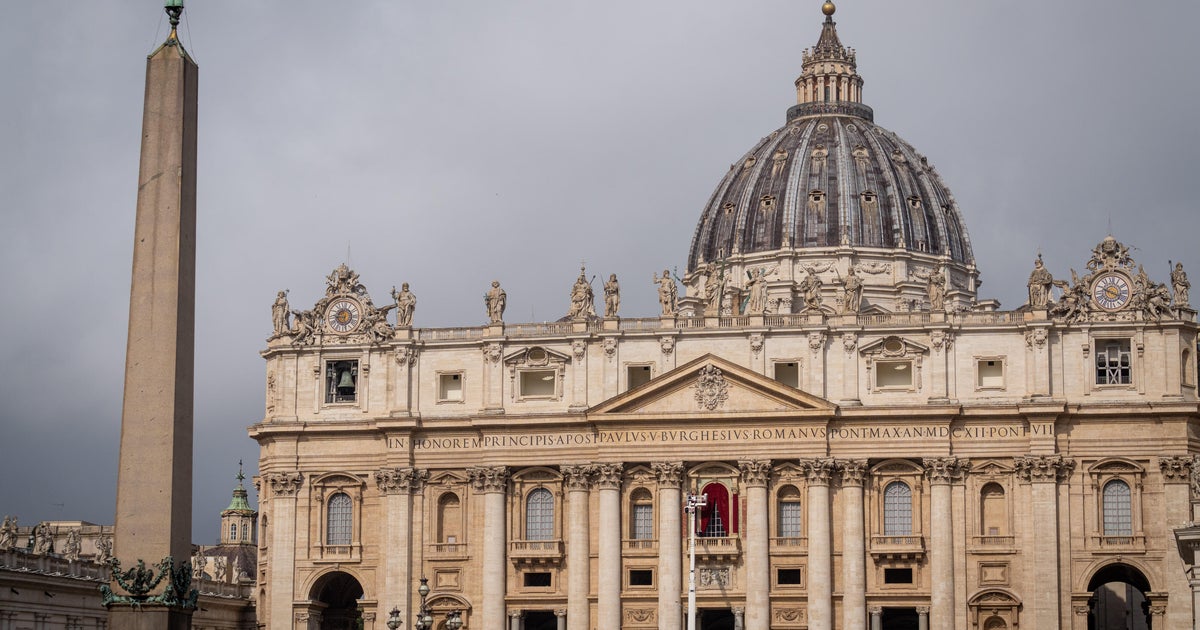
Anticipating the 2025 Papal Conclave: Timeline for a New Pope
This week marks the gathering of 133 senior Catholic cardinals in a confidential and age-old ritual. Starting Wednesday, within the hallowed confines of the Vatican's Sistine Chapel, these cardinal electors will engage in as many voting rounds as needed to appoint the new leader of the Church.
Understanding the conclave process sheds light on its duration and intricacies.
Key Dates for the 2025 Conclave
The conclave is slated to commence on May 7, a Wednesday, which is 16 days following a key preparatory interval. This selection process, one of the oldest enduring methods for naming a head of state, adheres to principles that have remained largely unchanged for eight centuries.
While any man within the Catholic fold could technically be chosen, tradition has long dictated that the pope is elected from among the church's own cardinals. The entire procedure occurs behind the closed doors of the Sistine Chapel, where a vow of discretion is taken, and the area is swept for any eavesdropping gadgets.
During their initial meeting in the afternoon, the electors might conduct one voting session, consisting of two ballots. A pontiff is chosen when one candidate secures a two-thirds majority plus one. Failure to decide in this first meeting leads to additional sessions on subsequent days.
History of Conclave Durations
Conclaves operate without a predetermined timeframe. Voting continues until a two-thirds-plus-one majority is accomplished. The swiftest conclave recorded occurred in 1503, resolving within a mere 10 hours to select Pope Pius III.
In contrast, the 1268 conclave to elect a successor to Pope Clement IV extended nearly three years, lasting 1,006 days. This extended duration led the Viterbo town locals, where the assembly took place, to confine the cardinals to ensure a decision was reached, lending the process its name—'conclave,' meaning 'locked with a key.' Pope Gregory X eventually became pope in September 1271.
Prospects for the 2025 Conclave
Predicting the conclave's length is complex, but previous conclaves offer some insights. Recent pontifical elections have spanned merely a few days.
For instance, Pope Francis' ascent in 2013 took place over five balloting rounds across two days. Likewise, Pope Benedict XVI was elected in 2005 after four rounds of voting, while Pope John Paul II's selection in 1978 required eight ballots over two days.
Symbolism of Smoke Signals in the Conclave
Each voting round ends with the burning of ballots. Should no pope be chosen, black smoke is emitted from the chapel's chimney. However, white smoke signifies a successful election.
Originally, only black smoke was used, but white smoke was introduced in 1914 to denote a new pope's selection. Today, chemicals are added during the burning process to clearly differentiate black from white smoke, ensuring transparent communication of the vote's outcome.
Leave a Reply