


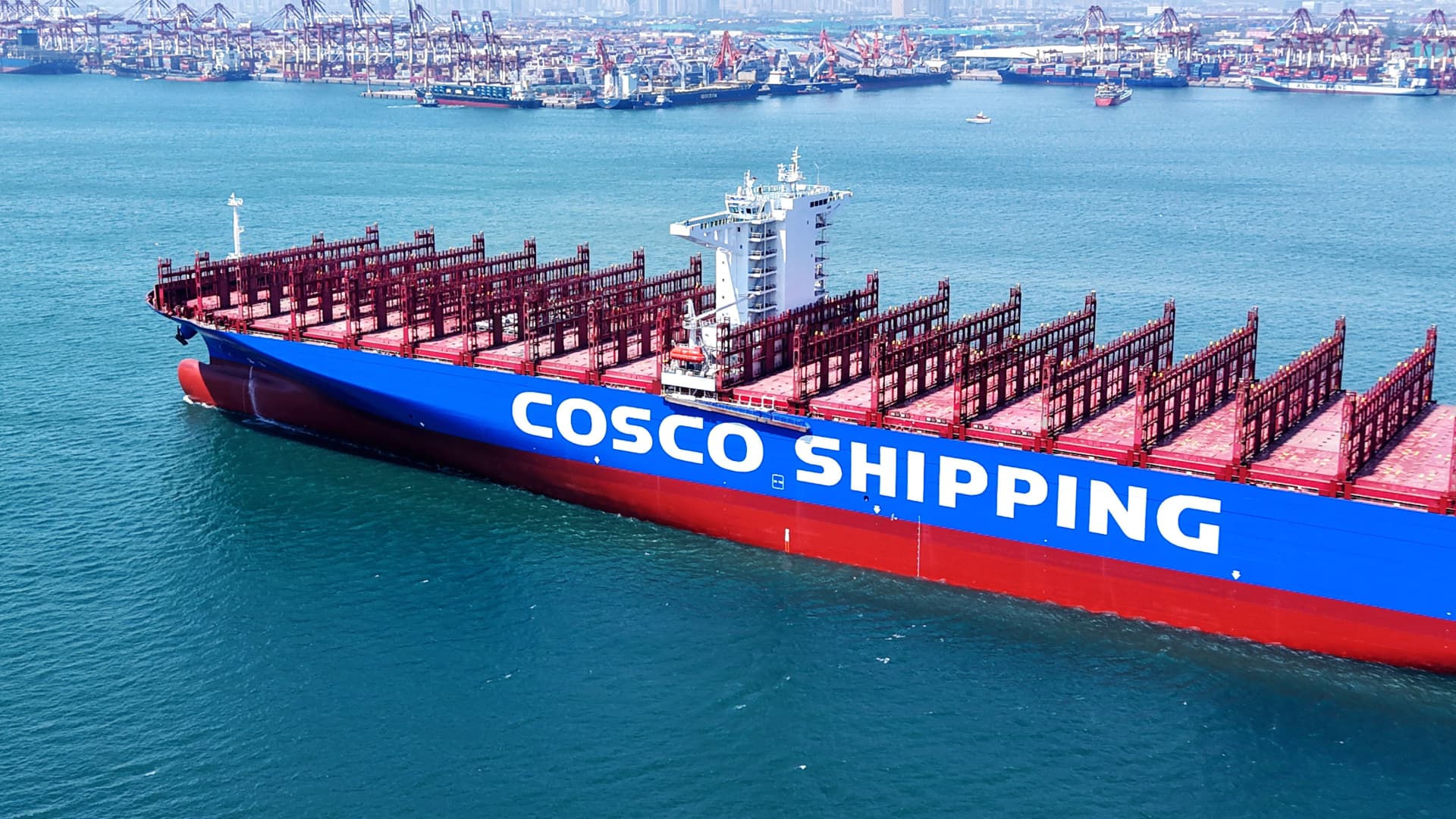
Freight Challenges in U.S. Trade
Trade Tensions and Their Echoes from 2020
Initiated by swift reductions in imports, the United States is now grappling with a significant dip in exports, particularly impacting agricultural segments such as soybeans, corn, and beef.
Recent trade statistics reveal that an initial drop in U.S. exports, noticeably affecting China, has broadened its reach to most American ports, as per Vizion's analysis of export container bookings before and after the imposition of tariffs.
Impact on Agricultural Exports
Ports showcase extensive challenges in transporting goods to international markets, with Oregon experiencing a 51% decrease in exports and Tacoma witnessing a 28% reduction. Major destinations for these exports include Japan, China, and South Korea.
Even ports like Houston and Seattle are experiencing small drops, though the general downturn is evident. Vizion's VP, Ben Tracy, emphasizes that nearly every U.S. export is affected.
Notable declines in export activities include Los Angeles at 17%, Savannah at 13%, and Norfolk at 12%, detailing the size and scope of the issue.
Declining Imports and Retail Concerns
The decline in U.S. exports is also tied to decreasing imports as worldwide businesses hesitate on new orders. This downturn has sent ripples back to Chinese manufacturing plants and shipping lanes. According to Vizion's records, there's a staggering 43% drop in American imports between April 21 and April 28.
"This scenario parallels the disruptions faced during the summer of 2020," notes Kyle Henderson, CEO of Vizion. Higher tariffs are forcing small businesses to halt orders, making previously steady products now costly, putting importers in tough situations.
Preparing for a Lean Retail Season
Bank of America's insights suggest purchasing now could be wise, with Port of Los Angeles bracing for substantial drops in incoming shipments, possibly leading to a 15%-20% reduction in container imports from Asia soon.
Customers are stocking up given expected price hikes and limited selections, although retail inventories aren't particularly high. Supply chain disruptions hover as retailers report minimal inventory buildup after earlier increases.
Strategic Planning for Retail Success
The holiday shopping season is crucial, with June marked as a pivotal month for securing inventory. Retailers who make forward-thinking decisions, especially in high-demand sectors like toys and electronics, can better manage their assortments and deal with unexpected challenges.
Organizations such as DHL highlight the need for strategic capacity planning to ensure store shelves are stocked come November.
Economic Impacts and Future Outlook
The current decline in cargo arrivals signifies a potential surplus in labor and transportation capacity. Captain Kipling Louttit highlights the potential for worker shortages as cargo arrivals decrease.
Shipping company Matson has already adjusted its 2025 forecasts due to the pressures from tariffs and associated economic factors, reporting approximately a 30% drop in container volume since April.
While navigating fluctuating transport needs, some businesses are adopting diversified strategies by exploring additional manufacturing locations beyond China, aiming for sustained growth and adaptability.
Leave a Reply