


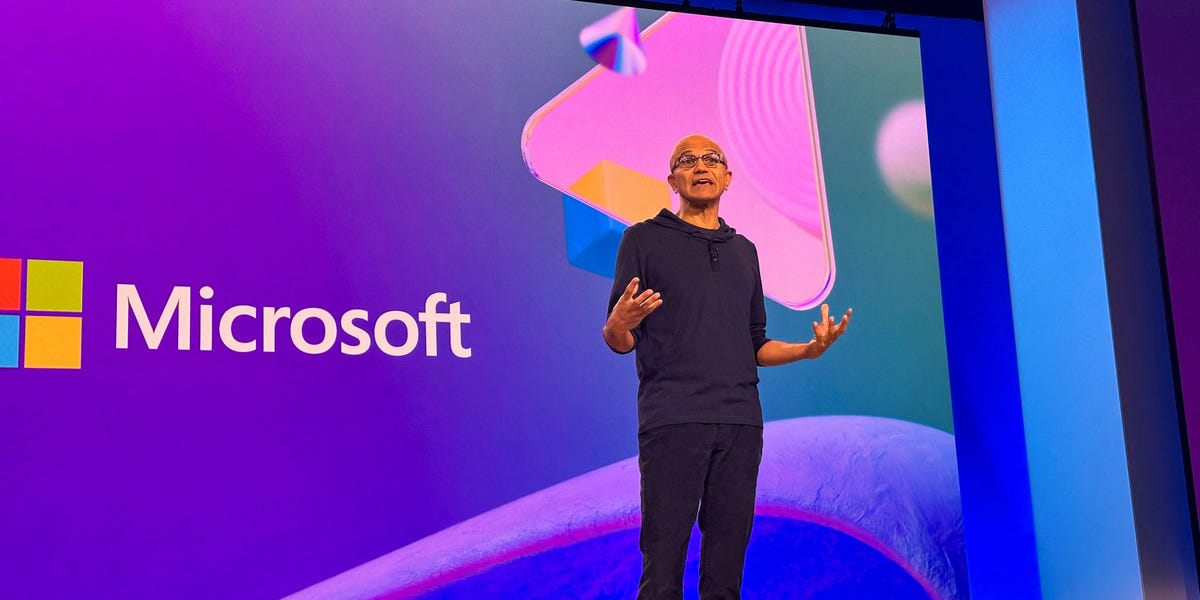
Microsoft's New Approach to Employee Attrition: Block Lists and Performance Expectations
In a move that signals a tougher stance on employee management, Microsoft has adopted two notable strategies that highlight its evolving corporate policies.
The tech giant is implementing a policy where individuals dismissed due to performance-related issues are placed on a two-year blacklist, effectively barring their reemployment, as detailed in an internal document revealed to Business Insider.
Further, the company categorizes these dismissals under the term 'good attrition,' perpetuating the idea that such departures are beneficial to the organization.
These methodologies mark a shift for Microsoft as part of a strategic initiative to promptly address underperformance and maintain a higher caliber of personnel.
Current insights suggest that there are no officially set benchmarks for this 'good attrition' yet. However, the approach is garnering attention from leadership levels, indicating a tightening performance metric focus, as conveyed by two Microsoft managers who requested anonymity.
Aligning with Industry Trends
Microsoft’s method resembles the 'unregretted attrition' standard at Amazon, aimed at quantifying annually the employee turnover a company wishes to achieve.
The two-year prohibition list mirrors tactics employed by other corporations like Meta, which uses similar deterrent measures against rehiring certain past employees.
Shifting Performance Standards
The broader tech industry is now demanding higher performance standards from its workforce, as evidenced by a rise in performance-based terminations.
This year, Microsoft terminated 2,000 employees considered inadequate performers, doing so without offering severance. Concurrently, they introduced a new performance improvement plan, codified through a globally coherent strategy that delineates clear expectations and deadlines for improvement, as per insider communications.
Options for Employee Departure
As part of the new procedures, employees now face a choice: either participate in the Performance Improvement Program (PIP) or opt for a 'Global Voluntary Separation Agreement (GVSA),' which comes with a 16-week pay package, according to another internal memo reviewed by BI.
Leave a Reply