


A Millennial Couple's Journey Through IVF and Their $18,000 Experience
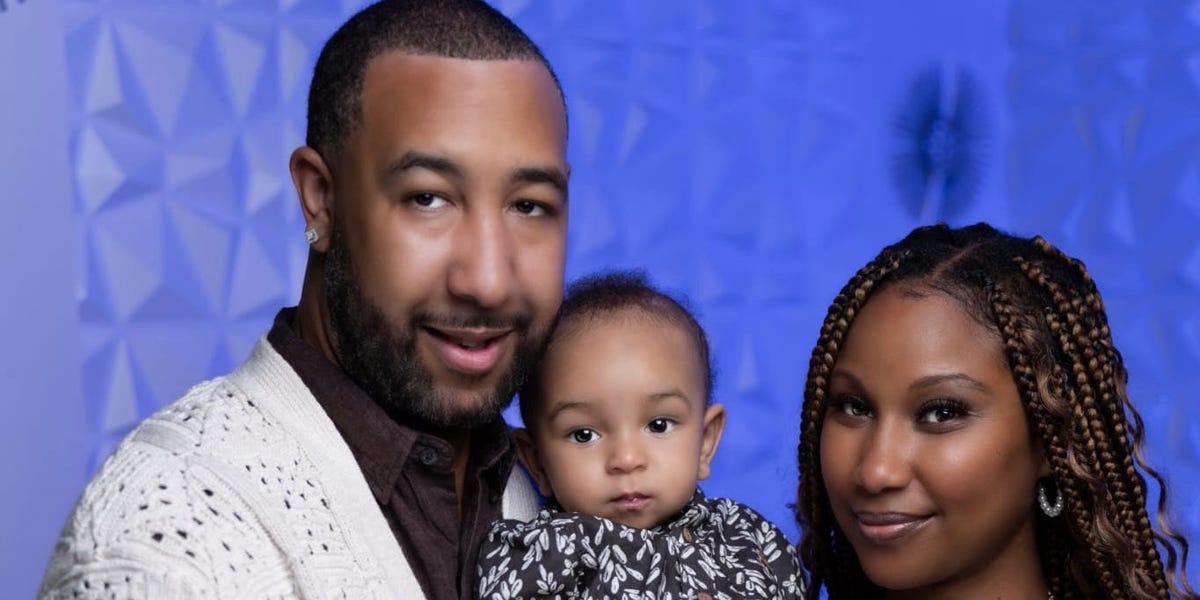
Shiraine and Barrett McLeod, residents of western Connecticut, enjoy life with their curious toddler, Lejend. The little boy often surprises them with questions about topics ranging from spaceships to gravity, and even the aquatic adventures in the movie 'Finding Nemo.' They describe him as a constant source of amazement despite being just two years old.
Approaching parenthood later in life was no spontaneous decision for the couple, now in their late 30s. After choosing the path of in vitro fertilization (IVF), they were welcomed into a growing community of parents turning to such medical advancements. Data from the U.S. Department of Health and Human Services revealed over 86,000 babies were born through this method in 2021. As more families consider this option, they are confronted with its high price tag – a single IVF cycle can range from $15,000 to $30,000 without insurance.
Navigating Fertility Treatment Amid Policy Challenges
While the McLeods were in the throes of fertility treatments, political shifts accentuated the complexities of reproductive healthcare. With courts like the Alabama Supreme Court classifying frozen embryos as people, fears that IVF allowances could diminish were justified. Barrett reminisced about the daunting period, describing it as 'terrifying' for the couple.
However, amidst these policy shifts, such as presidential orders aimed at reducing IVF costs, the McLeods found solace in the essential nature of IVF for families aspiring to conceive. With debates around potential incentives for childbirth, like a proposed $5,000 baby bonus, their resolve for seeking IVF strengthened amid uncertainties.
Lessons from the McLeods' IVF Path
Understanding the financial burden that accompanies IVF, the McLeods strategically planned. Initial trials might not be successful, and the expenses for medical consultations, screenings, genetic examinations, and storage of embryos can mount quickly.
Shiraine's role in New York's state government meant her insurance covered a significant 90% of the $18,000 needed to conceive Lejend. Barrett's career in remote management ensured they could sustain a robust household income. However, the couple wasn't just relying on insurance; they meticulously set aside money monthly for doctor visit copays and other emerging costs.
Financial Strategies and Emotional Struggles
Shiraine advises opening a health savings account (HSA) to ease the financial strain of IVF. By saving $266 pre-tax monthly, they managed their expenses with reduced stress. Inquiring about itemized costs from both insurers and fertility clinics upfront was another of her invaluable tips.
Their fertility specialist, Dr. Cynthia Murdock, backed this proactive approach. She often found patients unaware of fertility benefits through their employers or state health plans. Murdock insists on assisting patients to demystify insurance hurdles, lessening the twin stresses of financial and fertility challenges.
Facing Cultural and Emotional Dimensions
For Shiraine and Barrett, promoting open discussions about IVF required overcoming cultural reservations. As Caribbean Americans, they encountered familial skepticism regarding transparent conversations about infertility. Shiraine's mother initially perceived their choice to share their private journey publicly as unconventional.
Nonetheless, positive feedback from friends and online communities reinforced their belief in the power of story-sharing, leading to praise from family. They now anticipate joyously as Lejend embraces his role as a big brother soon.
Reflecting on her journey, Shiraine admits to battles with self-doubt concerning her reproductive abilities. She cherishes her experience with IVF as it ultimately paved the way for motherhood she deeply desired.
Leave a Reply