


Debate Among Anti-Abortion Groups on RFK Jr. Spirals After Pence's Disapproval
Two anti-abortion organizations have come forward to back President-elect Donald Trump's decision for the Department of Health and Human Services leader, despite previous Vice President Mike Pence voicing criticism regarding potential abortion policies.
If the nomination moves forward, the individual chosen would influence major organizations like the FDA and CMS, impacting abortion access throughout the country.
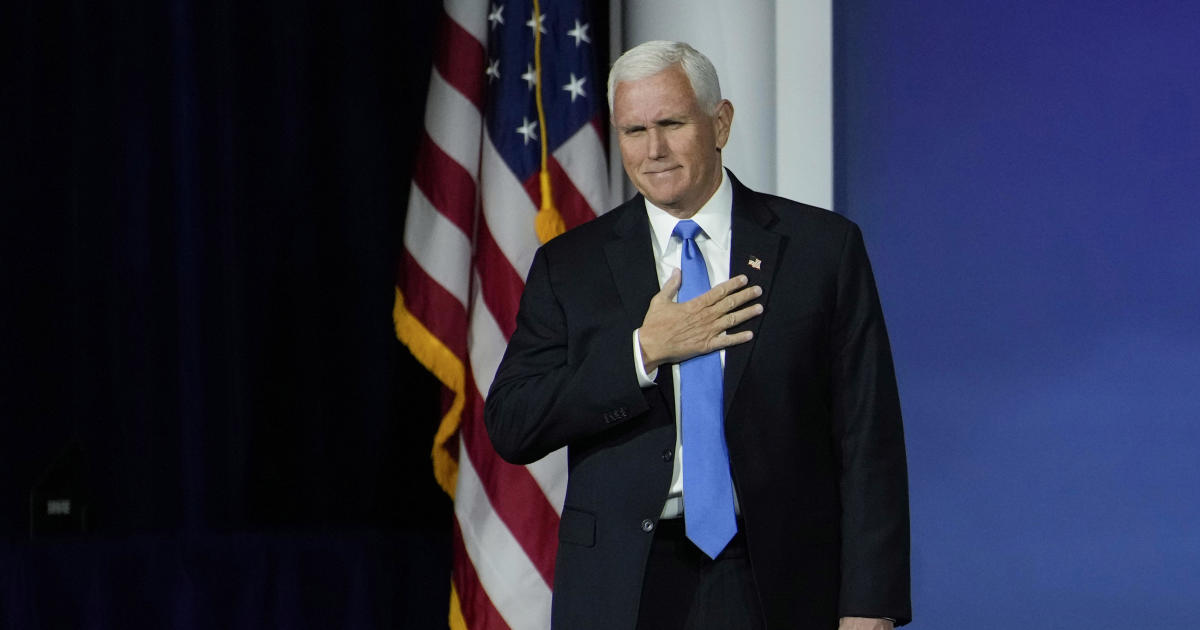
On Friday, Pence commented that this could result in an appointment history would see as aligning with abortion rights among Republicans. He urged Republican senators to reject the nomination and appoint someone who values life preservation.
Supporters of Trump dismissed Pence's apprehensions, arguing that Kennedy's nomination aligns with state-centered abortion strategies the Republicans have shaped.
Terry Schilling of the American Principles Project emphasized that RFK Jr. would adhere to the President's policies, which exclude a federal role in abortion.
Schilling highlighted Kennedy's opposition to gender-related healthcare for minors as part of his broader health agenda that resonates with conservative values.
The stance was shared by another key group, Susan B. Anthony Pro-Life America, raising alarms about Kennedy's nomination.
Marjorie Dannenfelser, representing the group, emphasized the necessity for an HHS secretary aligned with pro-life beliefs and expressed doubts about Kennedy's position.
Another insight came from Trump's transition team, downplaying the abortion debate as an obstacle in Kennedy's nomination process.
Trump had publicly backed Kennedy, inviting him to take an active role in health reform in his administration.
Organizations like Americans United for Life appear hopeful for a positive collaboration with RFK Jr., though admitting discrepancies in their alignments.
John Mize of Americans United for Life noted that Kennedy, like many new allies, requires more education on abortion's impacts.
Mize alluded to a comment by Kennedy suggesting openness to a nationwide abortion prohibition, a stance later clarified by his campaign.
Earlier, Kennedy had conveyed support for limited abortion, along with initiatives to decrease abortions voluntarily rather than by force.
Mize suggested Kennedy could further prove his anti-abortion dedication by advocating for the return of restrictive measures on abortion pills like mifepristone, which are now often prescribed online.
Conclusion
As the conversation regarding RFK Jr.'s suitability for HHS leadership continues, the division among anti-abortion activists signifies a broader ideological conflict within conservative circles.
Leave a Reply