


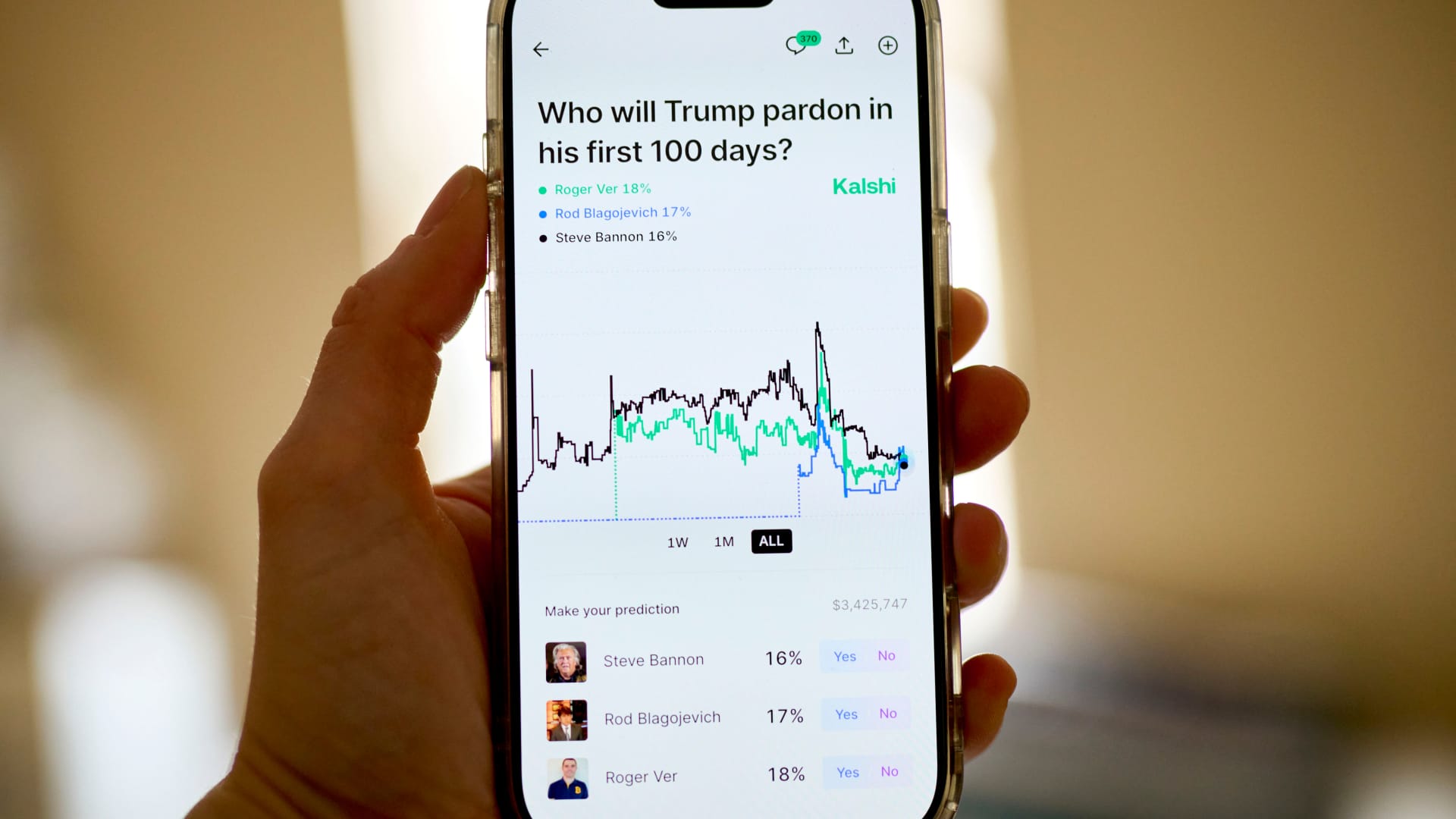
US Regulator Decides to Abandon Appeal over Kalshi Election Betting
On Monday, the US commodities regulator opted to withdraw its challenge to a federal court decision that allowed a commodities exchange to take bets on the results of US elections.
In a filing with the court, the Commodity Futures Trading Commission (CFTC) stated that the dismissal was mutually agreed upon with Kalshi, and it would be done voluntarily.
This agreement stipulates that each party will cover its own legal expenses, and Kalshi will forgo any legal claims arising from this lawsuit.
Comments on the motion have been requested from both the CFTC and Kalshi, especially after Kalshi named Donald Trump Jr., son of the former President, as their strategic advisor in January.
Background on the Legal Dispute
The CFTC had been contesting a decision made in September by Judge Jia Cobb of the federal district court in Washington, D.C. Cobb ruled in favor of Kalshi, stating that the CFTC wasn't given Congressional authority to conduct a public interest examination that was used to block the exchange from offering event contracts on elections.
Though the appeals court temporarily halted Cobb’s decision, it later lifted the hold, allowing Kalshi to proceed with election-related bets while the CFTC sought to reverse Cobb's ruling.
Criticism of the CFTC’s Withdrawal
The decision to drop the appeal was met with criticism from the financial reform advocacy organization Better Markets. They condemned the CFTC's resolution as a betrayal of public trust.
Stephen Hall, the legal director at Better Markets, argued that allowing wagering on congressional outcomes was both legally flawed and harmful policy. He voiced concerns that this ruling could disrupt the integrity of federal elections, lead to market manipulation, and improperly position the CFTC as an election overseer.
Hall further warned that keeping the lower court's decision unchallenged sets a daunting legal precedent, marking this reversal—after thorough arguments were presented by both sides—as a disconcerting setback for citizens.
Leave a Reply