


Discovery of New Electricity-Conducting Bacteria
A groundbreaking discovery was made on a tidal beach in Oregon, where scientists uncovered a novel species of bacteria that operates much like electrical wiring. This newly identified organism has been named to honor the indigenous Yaquina group historically residing around Yaquina Bay, the region of its discovery.
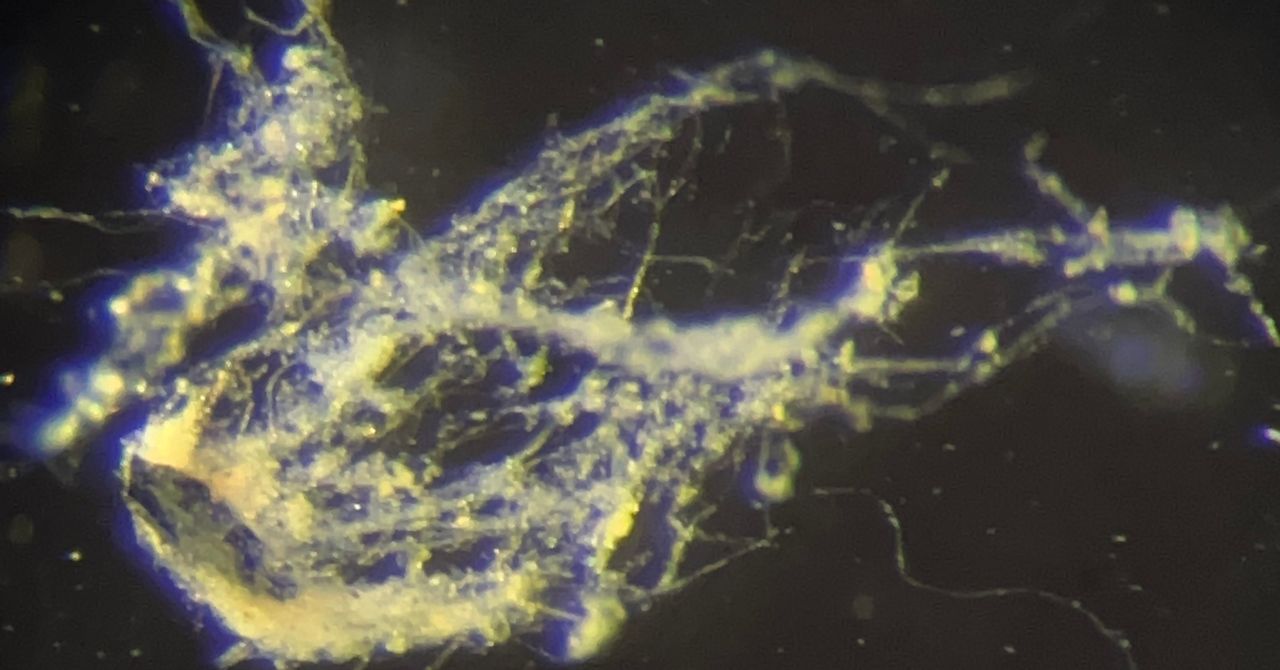
This particular species belongs to what is known as cable bacteria, characterized by rod-like forms joined end-to-end to form extensive chains. These chains are enveloped in a shared outer skin, stretching over several centimeters. Found in both marine and freshwater sediments, cable bacteria possess the notable ability to conduct electricity, owing to a unique metabolic process. They generate electrons by oxidizing sulfides deep within their structures, transferring them to the surface where oxygen and nitric acid receive them.
Currently, 25 distinct species of cable bacteria have been identified, grouped into two main genera: those residing in saltwater environments, and those inhabiting fresh and brackish waters. The novel species uncovered in this investigation exhibits genetic and metabolic characteristics from both genera, indicating it may represent a link to a more ancient branch of the lineage.
This recent finding promises to enhance our understanding of cable bacteria evolution and their ecological roles, according to Cheng Li, a postdoctoral researcher from Oregon State University who coauthored the study.
Remarkable Electrical Properties
In terms of physical attributes, the new species stands out with its distinct structure. While other cable bacteria feature mountain-like ridges on their exteriors, this new discovery showcases substantially thicker ridges, approximately 228 nanometers on average—thrice the thickness previously recorded. These ridges form a spiral design on the bacterium's surface, presenting a more angular appearance compared to its kin.
The most noticeable distinction is the additional layer enveloping the filament, a thick, see-through sheath previously unheard of in such bacteria. While non-conductive, this sheath likely serves as a protective barrier against environmental threats.
Inside these thicker ridges lies a fiber containing a nickel-based metal compound that allows electron conduction akin to a 'biological wire,' suggesting a design almost meant for engineering purposes.
Upon testing, the bacteria exhibited superior conductivity. Isolated filaments placed on a gold electrode generated a linear, symmetrical graph of current versus voltage, indicating efficient electron flow. The species’ resistance was measured at about 370 kilo-ohms, comparing favorably with, or even surpassing, previously known cable bacteria.
Genetic Insights and Applications
Genomic investigations have disclosed a fascinating blend of genetic traits from both known genera within this single organism, a phenomenon known as 'mosaicism.' Particularly intriguing is the unique cytochrome configuration; while organisms typically contain a single heme, this new form includes two.
Adapting to varying levels of salinity is another distinctive feature. While saltwater organisms use a specific enzyme to control osmotic balance, the new species lacks this but compensates with a suite of proteins facilitating sodium and proton exchange, likely an adaptation to fluctuating brackish conditions.
Future research will delve into the mechanisms behind its unique sheath and conductive fiber assembly. Due to its combination of electrical efficiency and environmental versatility, this microorganism holds potential for bioelectronic applications, including the development of eco-friendly electronic gadgets and pollutant-remedial technologies.
Leave a Reply