


Soviet Spacecraft from 1972 Set to Reenter Earth's Atmosphere
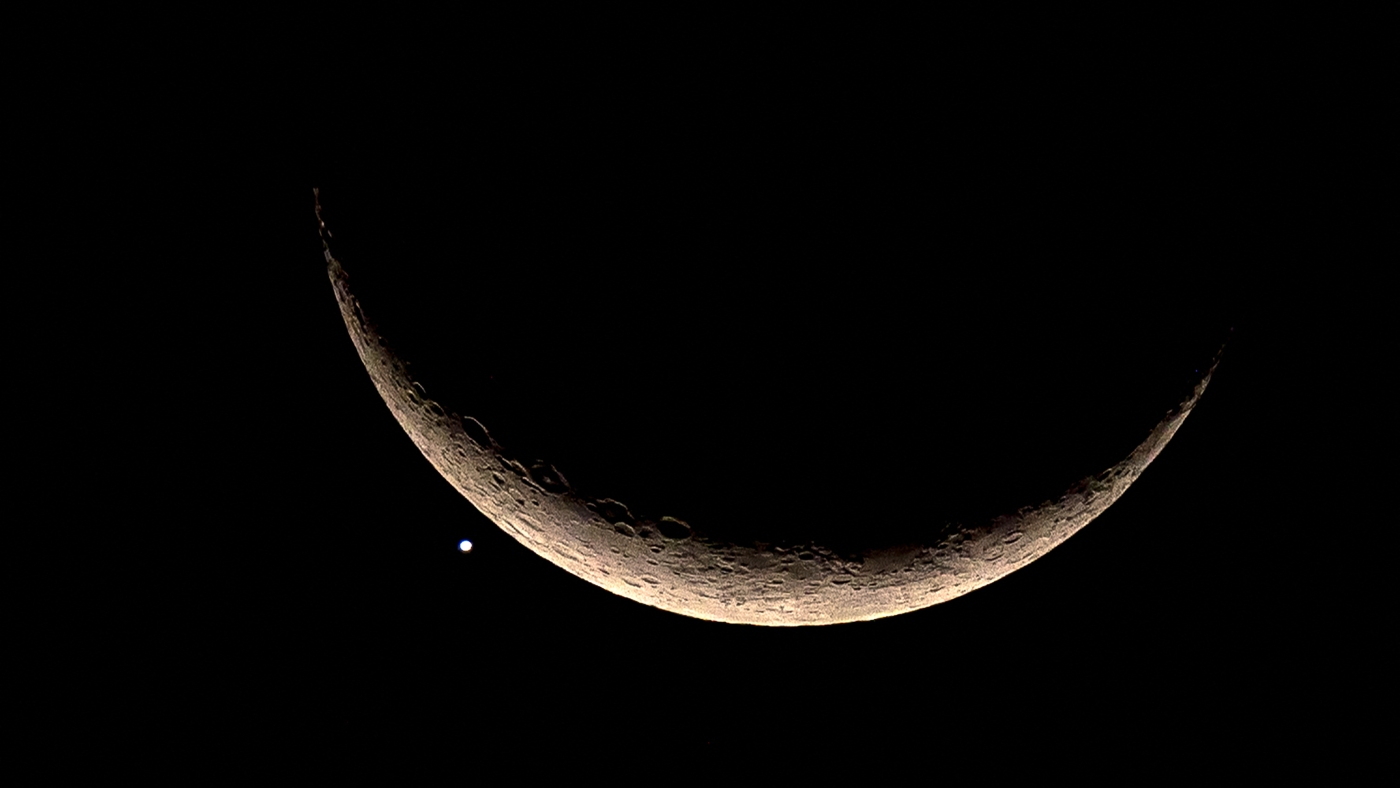
A crescent moon alongside Venus was captured above Bangkok in 2023. In a related cosmic tale, an ill-fated Soviet mission to Venus from 1972 is poised to make its return from orbit around our planet.
Known as Kosmos 482, this spacecraft has been circling Earth for many years and is anticipated to breach Earth's atmosphere soon, potentially by this weekend.
NASA's Jonathan McDowell from the Harvard & Smithsonian Center for Astrophysics explains that the probe is entering its 'terminal descent.' It's anticipated that the majority of fragments will find their watery grave in the ocean rather than striking land.
McDowell also shared with NPR that although there's a slim possibility the probe might damage property, the odds of it causing human injury are extremely low, about one in several thousand.
Despite the prospect of burning up during atmospheric entry, McDowell deems this scenario improbable due to the lander having robust heat-resistant design features.
Initially launched by Soviet engineers in 1972, Kosmos 482 was meant to explore Venus but due to a technical malfunction, it remained in orbit around Earth. The spacecraft's arsenal of instruments included devices for measuring temperature, pressure, gamma rays, and more.
Although the original spacecraft disintegrated into several fragments—some reportedly landing in New Zealand—its lander component has persevered in orbit.
Designed to withstand the harsh conditions on Venus, this equipment included a parachute system, though its current functional state is undetermined.
According to Langbroek of Delft University of Technology, the reentry could potentially occur anywhere along a broad geographic range that includes territories from Canada and Russia to the farthest tip of South America.
Should the lander endure the reentry process, Langbroek asserts it might strike the surface at an estimated velocity of 150 miles per hour.
Leave a Reply