


Exploring the Vatican and the True Story Behind "Conclave"
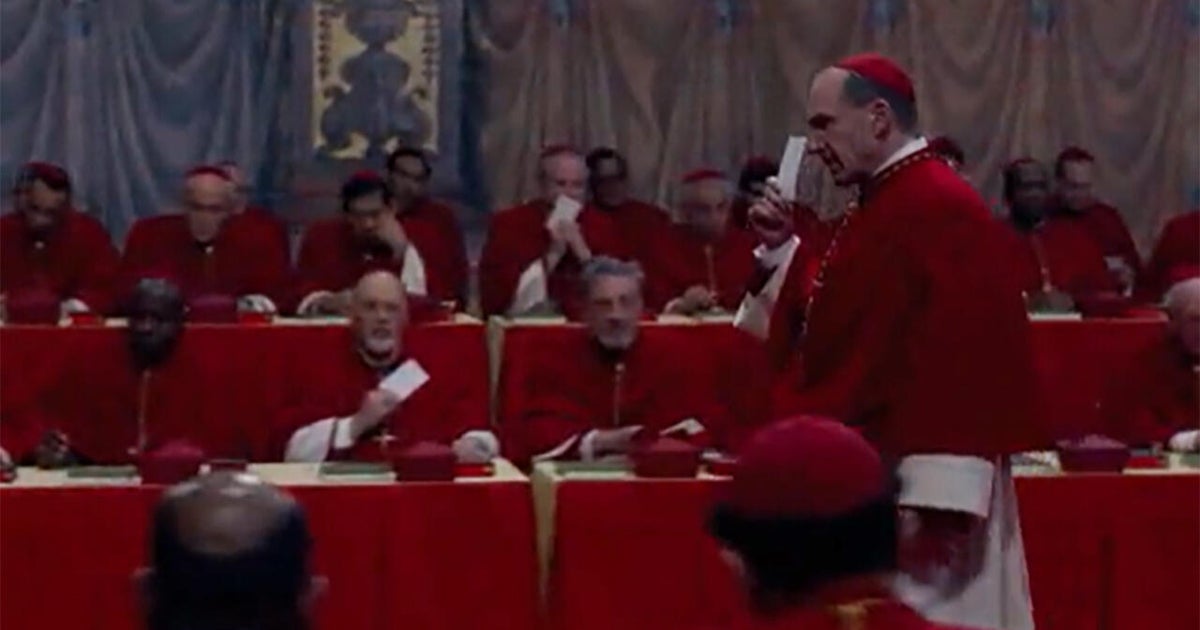
Ralph Fiennes and John Lithgow star in the award-winning film "Conclave," where they portray cardinals dealing with the passing of the pope, prompting the challenging task of appointing his successor.
The actual conclave to choose Pope Francis's successor is about to commence. Since his passing on April 21, there has been a surge in interest, with millions drawn to the discussion.
Our journey takes us back to our meetings with Fiennes in both Rome and New York during the movie's debut last fall.
At one of the prominent filming sites, Villa Medici, Fiennes explained, "To an expert, this may not resemble the Vatican, but for a movie, it embodies a portion of its aura."
In "Conclave," Fiennes embodies Cardinal Thomas Lawrence, a character who exposes his own hidden desires for the papacy to a fellow cardinal, Stanley Tucci portrays. Both find themselves engulfed in the high-stakes pressure of Vatican politics.
The film's major sections unfolded at Cinecitta Studios, known for its majestic sets. Fiennes highlighted how the costumes impacted his portrayal, "Donning such garments alters your posture and motion, especially in our Sistine Chapel replica, enriching the experience with authentic silence and ceremony."
During the conclave, the Cardinals, amidst opulence, discreetly decide on the next pope. "They dwell in substantial affluence," Fiennes noted, "Although they're presumed holy."
"The political ambiance affects them profoundly," I interjected.
Novelist Robert Harris penned the book inspiring the film. "As a former political journalist, the intricacy of this astounding election process captivates me," he expressed.
Interest in Harris' work surged, with sales increasing significantly since the pope's demise.
"Not clairvoyance," Harris clarified, "but the conclave reiterates predictable themes: traditionalists, reformers, and geographical factions coalesce to select a consensus leader."
In both narratives, cardinals like Tedesco, Bellini, and the schemer Tremblay are eliminated, paving the way for a compromise candidate.
Harris described the organic evolution of the conclave: "It's akin to a jury's unanimous decision, mirrored in divine circles as the Holy Spirit's presence—or politically, as momentum."
Despite not being Catholic, Harris's depiction of the conclave is seen as quite authentic.
I queried, "Does your narrative suggest that, despite their flaws, these holy men make the right choice?"
"Indeed, it's an impressive process," Harris confirmed, praising the church's deep-seated wisdom.
Fiennes remarked, "The film poses crucial questions about leadership within the Catholic Church. It's a deep reflection on who is deserving."
I questioned, "Does the political system yield the true leader? The film appears affirmative."
"Yes, the film suggests that this time, it does," Fiennes agreed.
Fiennes shares skepticism with his character, confessing, "Raised Catholic, I began doubting in my teens. Theological debates have been prevalent in my family."
I asked if the project answered any of his uncertainties.
"Unfortunately, no," Fiennes admitted, "I've ended up with even more questions."
Cardinal Thomas Lawrence's cinematic sermon echoes this sentiment: "Without mystery, certainty would eliminate faith's necessity."
Harris admired Fiennes's delivery, commenting on its powerful effect.
A fan of the adaptation, Harris now observes his fiction tangibly unfold, remarking on the surreal experience.
Regardless of the chosen pope, Harris, the former newsman and novelist, recognizes the inherently dramatic elements: "The iconic white smoke, an extraordinary symbol interwoven in global culture."
Harris chuckled at the conclave's timeline coinciding with a midweek start, speculating cardinals desire a swift conclusion by Friday.
Leave a Reply