


Are Dolls Overabundant? Trump's Tariff Insights on China's Goods
President Trump hinted that children might not need a multitude of toys, sparking agreements among many Americans. However, toys represent just a sliver of the vast array of imports from China.
Beyond playthings, household essentials, including vital electronics and healthcare equipment, are sourced from China, underscoring their importance in everyday American life.
The Tariff Impact: More Than Just Empty Shelves
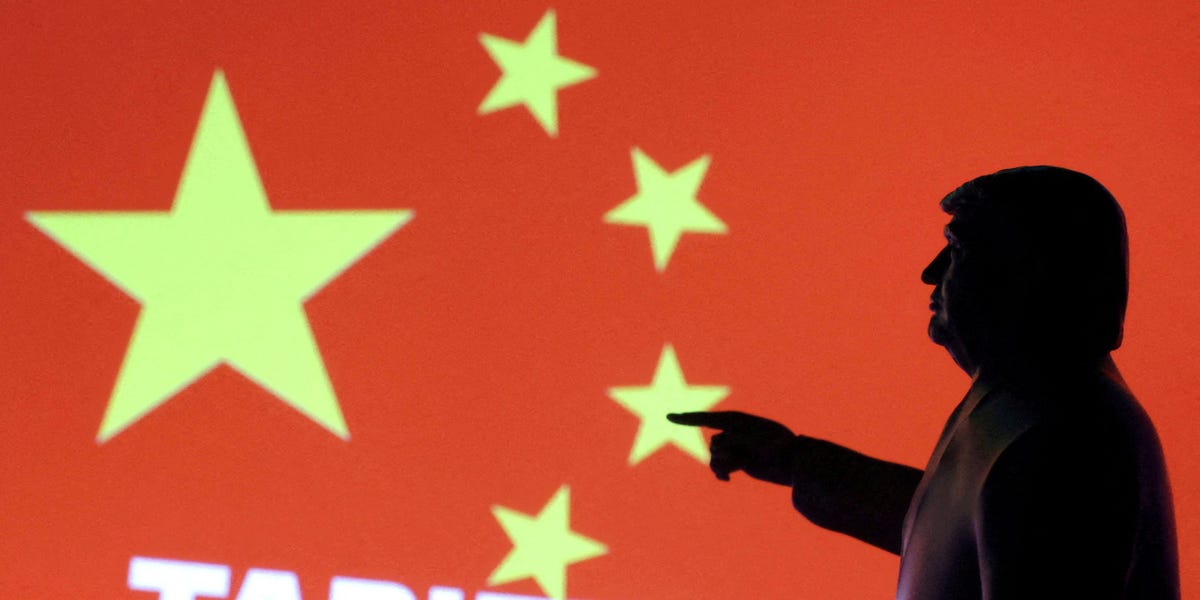
Imposing a sweeping 145% tariff on Chinese imports, Trump dismissed concerns over potential stock shortages, suggesting that children might have fewer but slightly costlier dolls.
Data from the Toy Association reveals that a staggering 80% of American toy imports originate from China. Yet, essential items that integrate seamlessly into American lifestyles dominate the import list far beyond mere toys.
The Challenge of Replacing Chinese Imports
Willy C. Shih from Harvard Business School highlights a significant issue: numerous tariffed goods have never seen domestic production. Taking liquid crystal displays as an instance, Shih points out that they are constructed in Asia, predominantly in China, with no historical manufacturing footprint in the US.
Relocating supply chains demands hefty investment and specialized training resources, feasible only if moving to regions with lower operational costs—a description that fails to apply to the United States.
Daily Life Furnished by Chinese Products
From dawn to dusk, China-made goods punctuate typical American routines, from morning smoothies made with Chinese blenders to evening entertainment with electronics.
Commerce data states that over 97% of clocks, 77% of gaming consoles, and a significant fraction of USB-imported electronics hail from China, statistics that illustrate the dominance of Chinese products in the US market.
While some trade exemptions for electronics might occasionally ease the burden, these leniencies remain susceptible to policy changes at any moment.
Healthcare Dependency: Medical Supplies from China
Medical facilities heavily rely on Chinese imports, with a significant percentage of first-aid supplies and medical dressings originating from China. The cascading effect of broad tariffs threatens to escalate prices for essential medical gadgets.
Although the Biden administration managed tariff relief for selected healthcare products, these measures remain precariously linked to ongoing policy shifts. Medical cost burdens compound existing financial challenges faced by hospitals.
Beyond Entertainment: Children's Necessities from China
Children’s products, ranging from safe feeding utensils to strollers, are predominantly procured from Chinese suppliers proficient in adhering to stringent safety protocols—a challenging operation to replicate elsewhere.
Safety imperatives necessitate long-standing relationships with Chinese manufacturers, whose established proficiency underscores their irreplaceability in the supply chain.
Fashion Industry Struggles with Tariffs
American apparel brands grapple with steep tariff costs on Chinese imports, as evinced by the predominance of Chinese-manufactured bridal attire. This economic pressure exacerbates pricing challenges, potentially doubling the cost of intricate bridal gowns.
Footwear companies, facing specialized production requirements, echo these sentiments, indicating the heavy tariff burden translates directly to consumer pricing.
Leave a Reply