


A Day That Predicted Everything
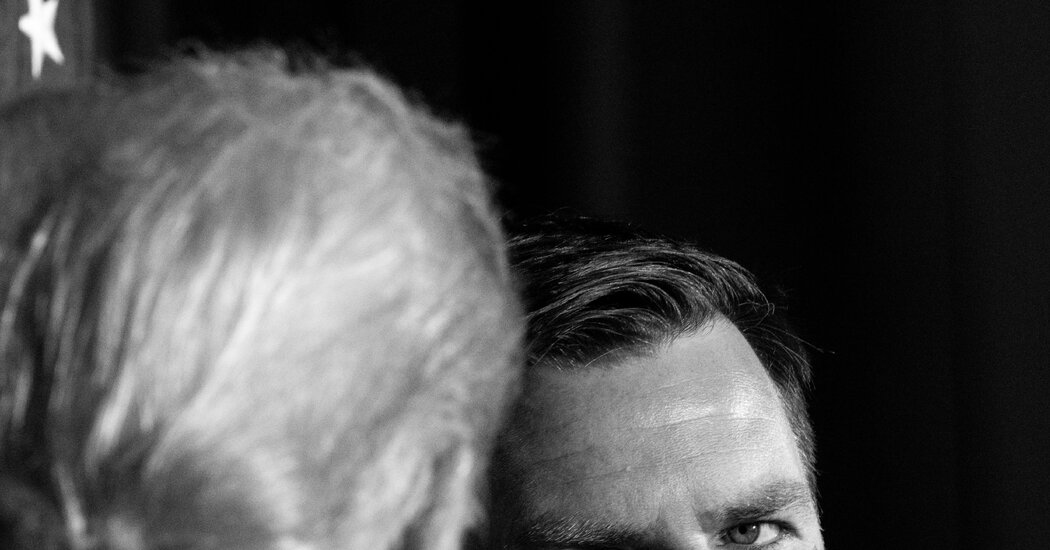
In analyzing the pivotal moments of Donald Trump's anticipated second presidential tenure, one cannot overlook July 15, 2024. It was on this date that Trump disclosed his choice of JD Vance as the vice-presidential candidate, a decision that would be both telling and transformative.
A Controversial Vice-Presidential Pick
The selection process for Trump’s running mate saw Marco Rubio and Doug Burgum in the running—figures from a Republican landscape before Trump's 2016 upheaval. Choosing them might have placated voters uneasy about Trump’s leadership. Vance, however, stood firmly within the MAGA realm, unafraid to confront adversaries Rubio and Burgum would consider in moderation. Unlike them, Vance was prepared to take radical steps that went as far as opposing the certification of the 2020 election results, a vow neither Rubio nor Burgum would entertain.
The Influences Behind the Choice
In the lead-up to the announcement, few anticipated Vance's ascendancy. Subsequent disclosures pointed to lobbying efforts where media mogul Rupert Murdoch and various influential individuals, including executive Ken Griffin and adviser Kellyanne Conway, advised against Vance. Yet, Trump was persuaded by voices closer to his orbit, notably Don Jr., Elon Musk, and Tucker Carlson, who believed the alternative candidates posed a threat from MAGA's detractors.
Transition from Coalition to Inner Circle
This decision underscored a significant shift in Trump's governance model from his initial term. Initially, Trump's presidency reflected a coalition government where he had to navigate through conflicting Republican interests, a skeptical business sector, and an administration trying to moderate his excesses. Such dynamics shielded against some of his more extreme policies and led many to incorrectly assume continuity into a second term.
However, Trump’s second term dismantled that coalition framework, replacing it with a court of loyalists. The advisory roles now belong to those who agree rather than dissent, creating an environment where Trump rarely faces opposition. This shift indicates a broad departure from his previous governance style, where checks from within his administration were more pronounced.
Leave a Reply