


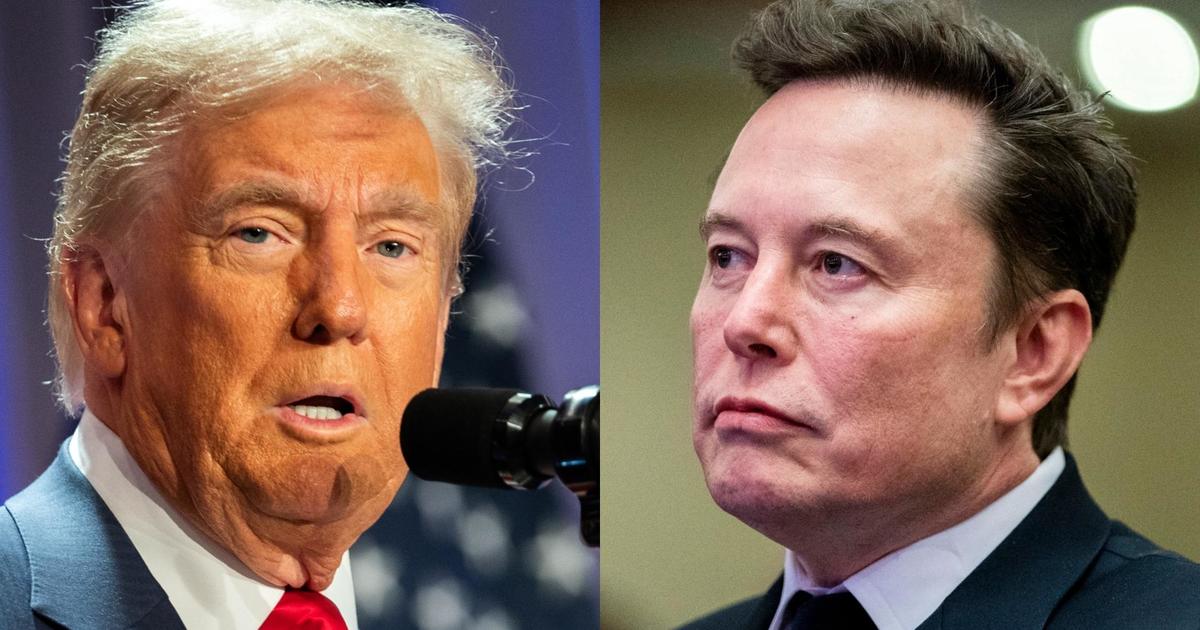
Details on Trump's DOGE Initiative Led by Billionaires Musk and Ramaswamy
Donald Trump has announced an ambitious undertaking to trim unnecessary federal expenditures by appointing two influential billionaires, Elon Musk of Tesla and businessman Vivek Ramaswamy, to lead the project termed DOGE.
The Tuesday announcement by Trump shines a light on the proposed roles of Musk and Ramaswamy, stirring questions about their potential influence over national spending, traditionally authorized by Congress. Notably, DOGE is not recognized as an official government body, raising doubts about its decision-making powers and operational mechanics.
This development follows a week of intense political shifts, as voters showcased discontent with the Biden administration's economic management, and Trump reiterated his promise to cut government expenditures. Musk has even added on his social media that the public is advocating for comprehensive government reforms.
According to Elaine Kamarck, who supervised a similar effort during the 1990s under the Clinton administration, reviewing government operations every few decades is essential. However, she remains skeptical of Musk and Ramaswamy's task, especially since Musk declared he could reallocate over $2 trillion of the federal budget.
Understanding the Department of Government Efficiency
Trump inaugurated DOGE as an approach to lessen regulatory burdens, eliminate redundancies, and reform federal agencies. The name DOGE nods humorously to Musk's favored cryptocurrency, Dogecoin, which has recently soared in value.
Musk and Ramaswamy's efforts are set to culminate by July 4, 2026, coinciding with the United States' 250th anniversary. Nevertheless, details concerning staffing and financial backing for DOGE remain undisclosed, with no indication of whether Musk or Ramaswamy will receive compensation.
Impact and Feasibility of Achieving Spending Cuts
Presently, it seems improbable for DOGE to make substantive cuts in federal funding due to its lack of formal governmental status. Congressional approval is essential for budget revisions, making reductions in popular programs or defense spending unlikely.
It also remains undetermined how DOGE will operate within existing frameworks, such as the Federal Advisory Committee Act, which governs the transparency and public accountability of advisory groups.
Trump touted the duo's role as external consultants providing insights and recommendations to government, a proposition which Kamarck views as largely symbolic.
Musk and Ramaswamy's Public Sentiments on Federal Spending
According to Bloomberg's Billionaires Index, Musk, currently the world's wealthiest individual, has been vocal about the unsustainable nature of U.S. government spending. His proposition includes reducing the number of federal agencies substantially to streamline operations.
While supporting Trump, Musk has boldly claimed that at least $2 trillion could be excised from the national budget, posing the Department of Government Efficiency as the solution to stop this fiscal waste.
Ramaswamy, who ended his presidential campaign earlier this year, aligns with Trump on advocating for cuts in government expenses. Both share the ambition of creating a leaner governmental framework.
Historical Context of Federal Efficiency Initiatives
Efforts to reduce federal spending aren't new; they span multiple presidencies from both major political parties. An example is President Ronald Reagan's Grace Commission in 1982, which spawned numerous recommendations though many were not realized due to legislative hurdles.
President Bill Clinton advanced the National Performance Review in the 1990s to enhance governmental efficiency, succeeding in cost reduction and technological integration, notably in tax filing processes.
Potential Avenues for Trump-led Spending Reductions
Experts doubt the feasibility of cutting $2 trillion in spending but see opportunities for savings, such as preventing Medicare fraud or ceasing various subsidies, which could yield significant reductions.
Achieving true efficiency requires more than cost-cutting; it involves a deep understanding of complex bureaucratic systems, something Kamarck stresses as essential for success.
Possible Conflicts of Interest for Musk
Musk's business relationships with federal agencies, including Defense and NASA contracts, present potential conflicts of interest. Being non-governmental, Musk and Ramaswamy would not be subject to the same financial disclosure and divestment requirements as public officials.
Leave a Reply