


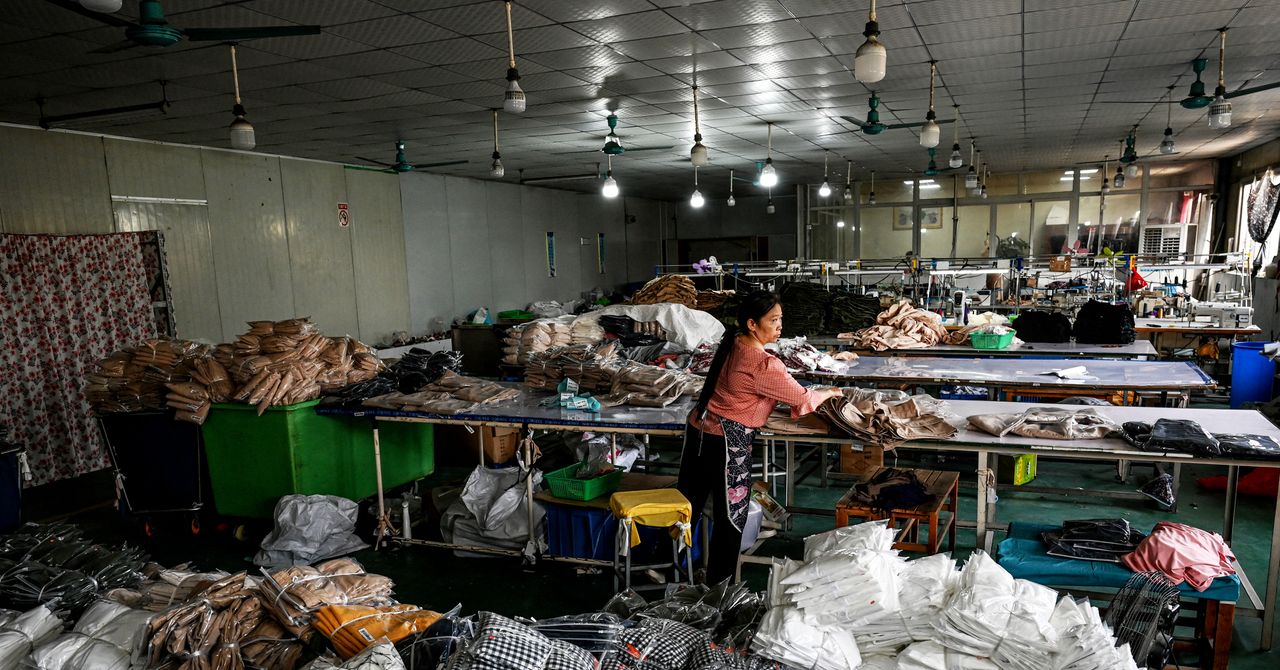
Impact of US Tariffs on Small Shipments from Shein and Temu
As part of the shifting dynamics of trade policies under President Donald Trump, packages arriving in the United States from China are no longer exempt from duties as of May 2. This exemption previously allowed companies like Temu, Shein, and AliExpress to ship items valued at under $800 to US customers without incurring taxes.
Now, these imports are subject to tariffs that could reach up to 145%. In anticipation of these changes, Shein revealed plans to adjust prices beginning April 25. Conversely, Temu has started restricting American consumers' access to certain products shipped from China, effectively limiting available selections. Other businesses have begun to highlight additional fees within shopping carts to help customers understand new pricing structures.
Consequences for Businesses and Consumers
How will the end of the de minimis rule impact US businesses and their customers? Will large Chinese ecommerce platforms cease operations in the American market? WIRED senior business editor Louise Matsakis and seasoned China correspondent Zeyi Yang addressed these questions in a recent discussion, providing key insights into the evolving landscape.
President Trump’s broad tariffs on Chinese goods have substantial effects across various industries. The elimination of the de minimis exception specifically challenges platforms like Temu and Shein. Without this, Temu will need to alter its business strategy for the US market—a process that is already underway—which could redefine their operational approach.
Shift in Ecommerce Strategies
The future for Temu in the US remains uncertain, yet its American version currently focuses on offering 'local' products. As Temu is owned by Pinduoduo, a prominent Chinese online marketplace, the company might not rely heavily on the US market for survival and could potentially discontinue operations if conditions become unfavorable. Although Pinduoduo has invested significantly in advertising within the US, redirecting focus to other regions might not pose a critical loss for them.
Additionally, US retailers with dependencies on production linked to China are anxious. With intricate supply chains rooted in Chinese manufacturing, sudden shifts might be difficult. Despite having current inventory to last for months, prolonged tariffs could lead to noticeable shortages toward the end of the year.
Amazon and the Broader Retail Ecosystem
Despite the logistical complexity, even major players like Amazon can’t escape these tariffs, given their network of numerous third-party sellers who individually manage product importation and customs. While there have been talks about possible economic relief for large retailers, no concrete policies have yet been implemented.
The tariffs also escalate workloads for US Customs and Border Protection, further emphasized when the US Postal Service briefly stopped receiving packages from China due to procedure overloads. Meanwhile, Chinese manufacturing sectors face workforce reductions and seek alternative markets to mitigate these challenges, but face competitive constraints given less affluent consumer bases elsewhere.
Broader Economic Implications
Ultimately, the few beneficiaries of this trade shift might include environmental advocacy, as potentially reduced consumer spending habits could lead to lower consumption. Yet this potential advantage stands at the cost of broader economic downturns.
Leave a Reply