


Key Issues Shaping the Selection of the Next Supreme Pontiff
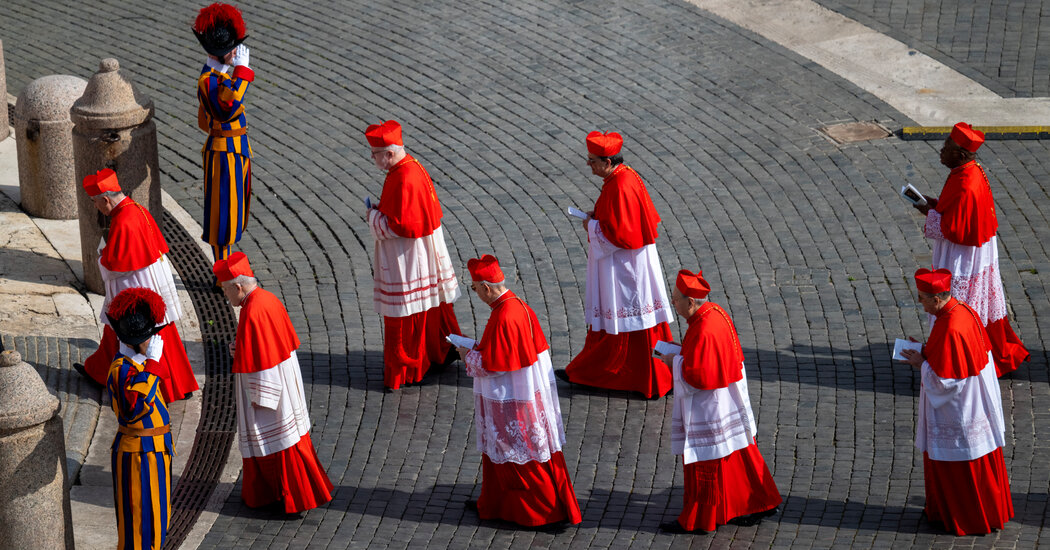
As cardinals converge in Rome to select a successor to Pope Francis, they are confronted with debates about whether the Catholic Church should prioritize evolution or steadiness.
The cardinals gathering for the election of the new pope often reflect the ideological divisions seen in global secular politics.
Initially, the cardinals' differing views seem reminiscent of the left-right political spectrum found in many other spheres. Numerous conservative leaders within the Catholic Church had disagreements with Pope Francis, who was favored by many progressives worldwide.
However, these typical progressive-conservative divides do not align perfectly with the internal disputes of the Vatican and the church at large. Pope Francis’ outspoken advocacy for migrants and the impoverished, though seen by some as progressive, echoes the church's longstanding commitment to compassion and aid.
The impending decision by the cardinals essentially reflects on whether to continue Francis’ path of inclusivity and potential transformation. According to Anna Rowlands, a political theologian at Durham University, this approach was his response to living in an era fraught with division.
Professor Rowlands notes that Francis recognized the implications of divisiveness and accepted dissent as a pathway to conversation. The danger, as she mentions, is that the church might gravitate to a particular extreme, potentially stifling open dialogue.
Above any singular matter, the selection of the new pontiff hinges on a deeper philosophical inquiry: who should have influence in shaping the future direction of the Catholic Church?
Leave a Reply