


Mike Waltz's Increasingly Problematic Use of Messaging Apps
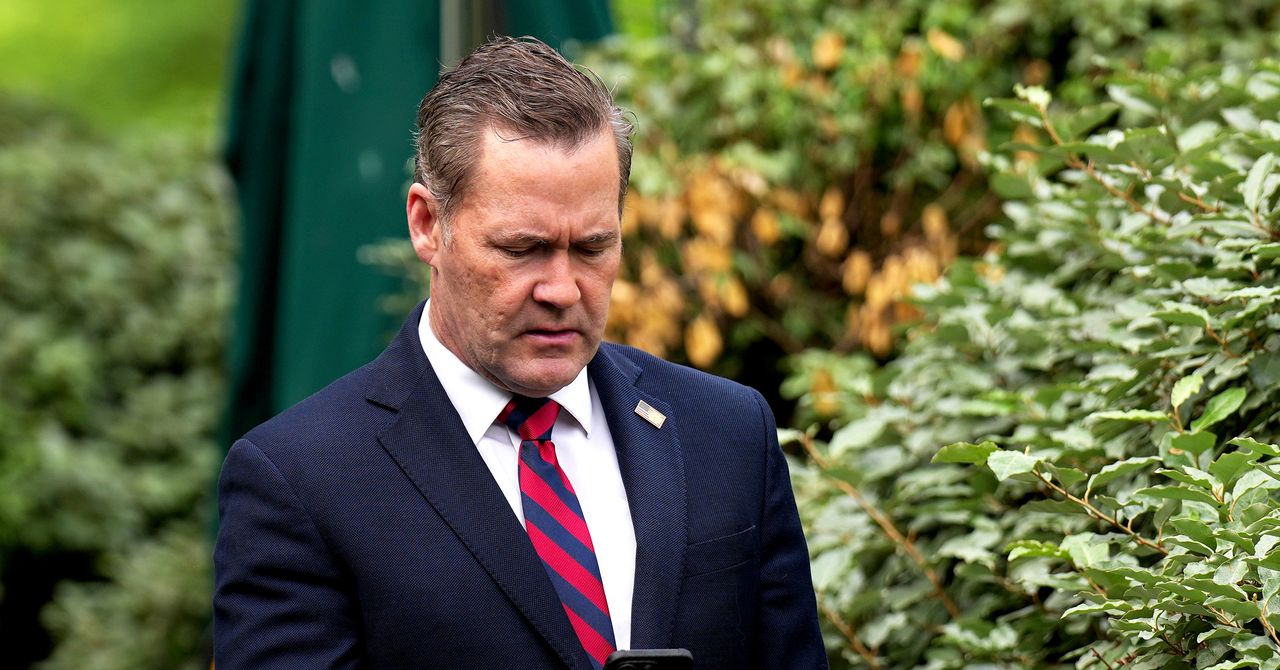
A recent photograph captured former national security advisor, Mike Waltz, engaged with his phone during a White House meeting led by President Trump. At first glance, it appears Waltz is using Signal, a popular encrypted messaging app. However, upon zooming in, the screen reveals a notification for an app dubbed 'TM SGNL.' It turns out Waltz was likely using TeleMessage Signal, an Israeli-developed application, to converse with prominent figures such as JD Vance, Marco Rubio, and Tulsi Gabbard.
The 'SignalGate' controversy erupted after key members within Trump's administration utilized Signal's disappearing message feature to organize military action in Yemen, inadvertently including The Atlantic's chief editor in their chat group. This breach catalyzed a debate over adherence to federal records retention mandates. Waltz, who created this particular chat group, assumed responsibility for the error. 'I organized the group,' Waltz confessed to Fox News in March, adding that technical experts were investigating the mishap.
The core of the SignalGate issue wasn't inherent in the Signal app itself, which was operating as designed. The real problem lay in its inappropriate use for highly sensitive communication that warranted specialized, secure federal tech. If bypassing protocol is unavoidable, apps like Signal—which ensure only message participants can access content and keep user data minimal—are relatively safer. Conversely, using TeleMessage Signal in efforts to comply with data retention laws can inadvertently provide numerous potential entry points for adversaries.
Security expert Jake Williams, formerly with the NSA and now leading R&D at Hunter Strategy, expressed his bewilderment: 'It’s astonishing that federal data is being funneled through Israeli technology. This makes that data an attractive target for nation-state actors.'
Understanding TeleMessage Signal’s Role
Founded in 1999 by Israeli military technologists and subsequently acquired by Smarsh, a US-based company, TeleMessage creates replicas of communication apps, including a 'mobile archiver' for message storage. Their platform claims to support varied communication forms from SMS to encrypted apps like Signal, proposing to maintain all app features and encryption while storing data in a corporate archive.
Despite claims of maintaining end-to-end encryption, the existence of an archive potentially compromises privacy. Although certified for use under FedRAMP, specifics about the federal government's use of TeleMessage products remain unclear.
According to White House press secretary Anna Kelly, Signal is sanctioned for government devices; she refrained from addressing the use of TeleMessage Signal by other officials. The Cybersecurity and Infrastructure Security Agency referred inquiries to its guidelines, stressing the importance of assessing metadata handling when choosing encrypted messaging services.
Potential Security Implications
Details on Waltz's motivations for using TeleMessage Signal remain murky—whether as a long-term user or in response to critique surrounding SignalGate and retention law conflicts.
Junior cryptographer at Johns Hopkins, Matt Green, reflected on potential oversight: 'I hope every measure was taken to prevent data leaks. Failure to do so could be disastrous.'
Leave a Reply