


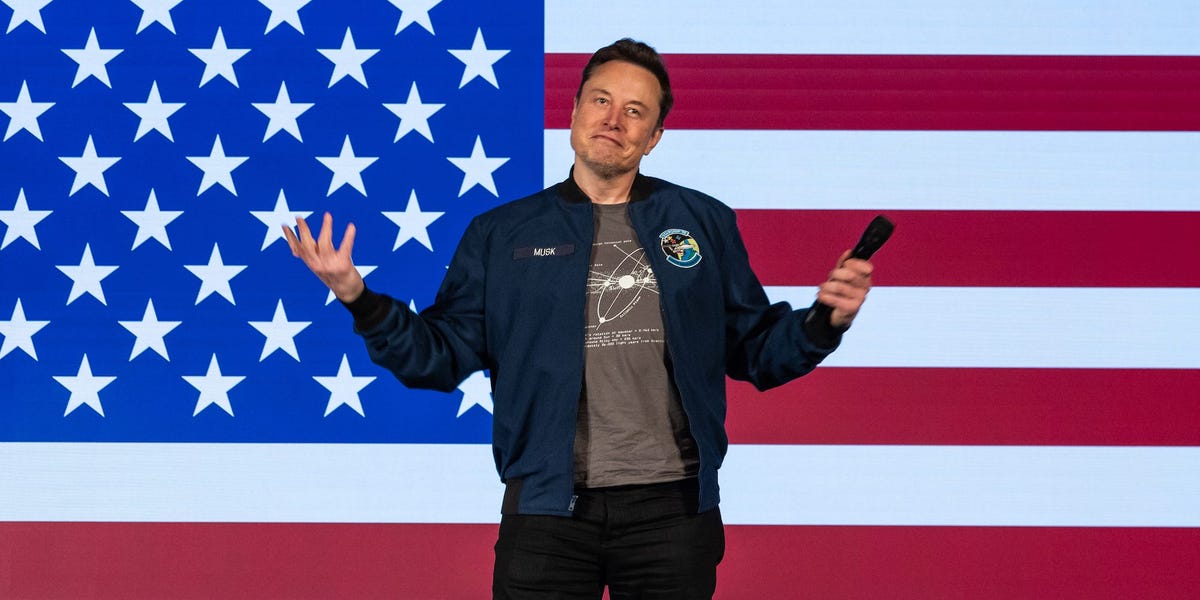
Elon Musk's Influence Falters in GOP Senate Leadership Decision
In the world of politics, digital influence meets hard reality as Elon Musk, despite his formidable online presence, comes up short in efforts to steer the GOP leadership vote.
Musk, alongside other key figures from the MAGA movement, attempted to rally Republican senators to back Sen. Rick Scott of Florida. However, in a hidden vote, senators opted for the long-serving John Thune of South Dakota, a figure not always aligned with former President Trump.
Behind Closed Doors: The Secret Vote
The decisive vote took place in private, shielded from public opinion and internet-driven campaigning. This confidentiality played a significant role in diluting the high-pressure campaign orchestrated online.
Publicizing individual senatorial votes was rare, diminishing the capacity of activists to pinpoint and pressure those not endorsing Scott.
Charlie Kirk from Turning Point USA remarked on the opacity of the process, expressing disdain for secretive balloting as it limits accountability.
The Rise of John Thune
Despite Musk and Trump's strategists supporting Scott, the veteran politician only secured 13 votes, slightly improving his prior attempt against Mitch McConnell. Thune eventually surpassed Scott's closest competitor, Texan Sen. John Cornyn.
Silenced by Strategy
Both Musk and allies' rigorous online campaign couldn't tip the scales. The privacy of the vote empowered senators to follow personal judgement over external pressures.
Musk's controversial comments and the revived debate over various senators' past critiques of Trump added fuel to an already combustible environment. Nevertheless, they ultimately had little sway on the outcome.
A subdued reaction post-vote was noted online, with Musk extending congratulations to Thune, and Scott affirming his commitment to contribute towards Trump's objectives through Thune's leadership.
Assessing the Fallout
The phrase "McConnell 2.0" resonated across digital spaces, hinting at concerns Thune would continue established norms rather than embracing change.
Post-election analysis indicated some beliefs that without the public pressure campaign, Scott’s support might have been even more limited. Conservatives continue to emphasize the importance of public scrutiny in political processes.
Looking Forward
This episode highlights not only the limits of digital influence in secretive political arenas but also sets the stage for future interactions between public opinion and confidential political decisions.
Leave a Reply