


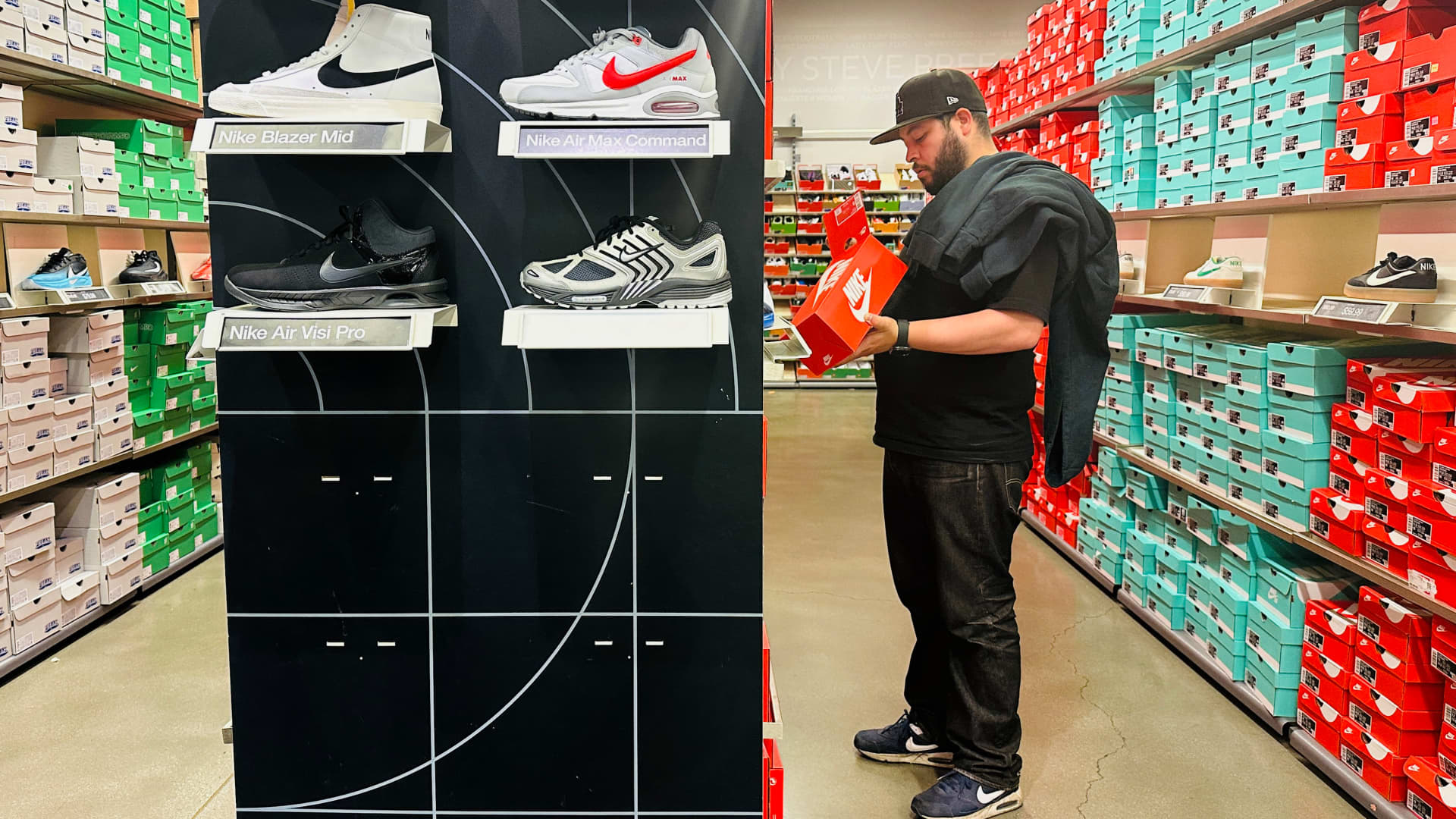
Nike, Adidas, and Footwear Brands Urge Trump to Remove Shoe Tariffs
Major shoe brands in the United States are appealing to President Trump for relief from tariffs.
This week, the trade organization for Footwear Distributors and Retailers of America issued a plea to the White House, requesting that shoes be excluded from Trump's recent 'reciprocal tariffs.' They argue these tariffs represent a critical threat to the footwear sector. In total, the request was supported by 76 companies, including major names like Nike, Adidas, and Skechers.
Their letter highlighted that many businesses, which produce affordable shoes for working and middle-class families, cannot endure the high tariffs without adjusting prices or potentially closing down. 'Without immediate tariff relief, these companies may be forced to cease operations,' stated the letter dated April 29.
The association warned that many shoe orders are now suspended, and if no action is taken, shoe inventory for American customers could soon diminish.
Announced on April 2, Trump's extensive tariffs target key supply nations for the shoe industry, such as China, Vietnam, and Cambodia. While Vietnam and Cambodia initially faced tariffs above 45%, which were temporarily reduced to 10% for 90 days, tariffs on Chinese goods have surged to an effective rate of 145%.
These increased tariffs, affecting many trade partners, are slated to recommence in early July.
Adidas commented that the tariffs could result in increased costs for American buyers. Prior to the announcement of these tariffs, Nike’s financial head noted that global tariffs combined with economic unpredictability posed challenges.
The footwear industry's correspondence emphasized that considerable tariffs had already been imposed on items like children's footwear before Trump's new measures. U.S. shoe companies now face overall tariffs ranging from 150% to 220%.
'This is a crisis needing prompt intervention,' the association stated. 'The American shoe sector lacks the luxury of months for business and supply chain adjustments under this unforeseen and immense tariff burden.'
They further argued that the tariffs wouldn't result in a resurgence of U.S.-based manufacturing as Trump has asserted, due to the destabilizing uncertainty for businesses contemplating sourcing shifts.
As of now, the White House has not responded to CNBC's request for comments.
Leave a Reply