


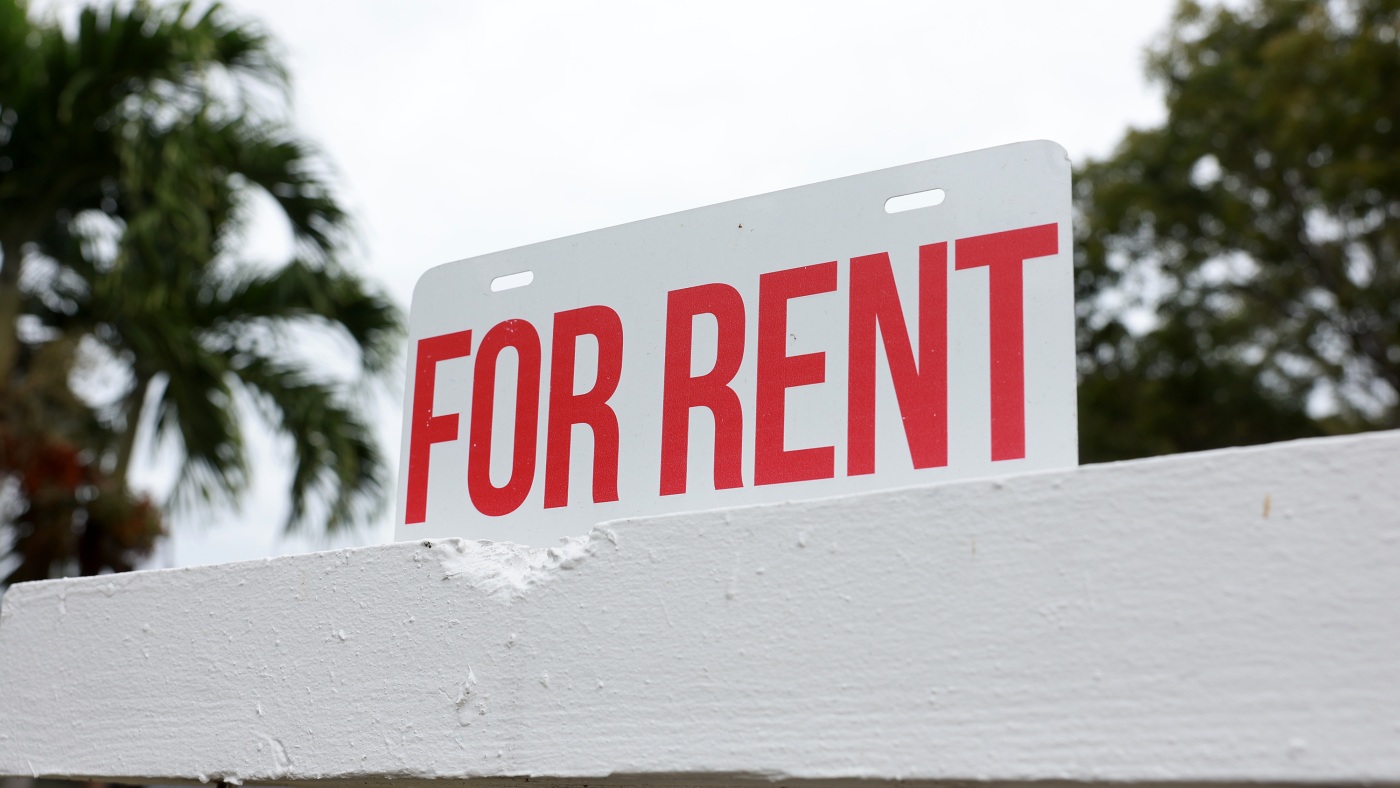
Trump's Budget Plan Threatens to Cut Rental Aid and Shift Responsibility to States
The new budget proposal from the White House aims to significantly reduce rental assistance funds under the Department of Housing and Urban Development (HUD), directing states to create their own tailored rental programs. Additionally, a two-year limit would be enforced on rental support for adults capable of working.
Emphasizing his objective to restore affordability across the nation, President Trump proposes a marked decrease in federal rental subsidies, which play a crucial role in preventing homelessness for vulnerable families.
The administration criticizes the current federal assistance mechanisms as unmanageable and seeks to overhaul programs like Section 8. The shift would see a 40% drop in rental aid, opting instead to allocate these funds into block grants for states.
The planned budget also aims to concentrate federal rental support primarily on senior citizens and those with disabilities, citing this as a rationale for setting time limits on aid for other adults.
While $25 million is earmarked for aiding youths exiting foster care, the general stance of the budget is to reverse policies deemed as bloated by HUD Secretary Scott Turner.
The Impending Challenges of Reduced Federal Support
The reduction in rental aid could drastically intensify homelessness, as emphasized by advocates. Many who rely on this aid might find themselves unable to cope financially should it diminish or vanish entirely.
Current levels of federal rental support already fall short, aiding only a fraction of those eligible. Ann Oliva from the National Alliance to End Homelessness describes the potential cuts as profoundly harmful.
Though Congress has the final say on the budget, Trump's financial agenda, which includes significant tax reductions, pressures lawmakers to introduce extensive savings. Despite some Republican interest in revising housing supports, substantial cuts remain uncertain.
Increased Autonomy for States but with Greater Stakes
While the federal budget would drastically cut HUD rental aid, it grants states the opportunity to top up their funding, ensuring residents receive comparable levels of support. Block grants offer states flexibility, though their misuse in other welfare contexts sparks concern.
Adjustments in homelessness initiatives, including shifting funds from local community agencies to state governments, raise apprehensions, particularly as homelessness is intrinsically a local challenge.
Wide-reaching Consequences for Localities
Local advocates warn that housing budget cuts will reverberate broadly throughout communities, impacting areas like healthcare and education. Relying more on emergency rooms and food banks, along with potential disruptions for children, underscores the severity of these changes.
The anticipated depletion of emergency housing vouchers, initially extended under the American Rescue Plan, exacerbates the potential crisis, posing additional challenges for communities already grappling with budget constraints.
Efforts in states like Connecticut to sustain emergency funding highlight the essential need for continued federal assistance to stabilize vulnerable populations.
Debate on Scaling Back Housing Assistance
While severe cuts to HUD's budget remain unlikely, discussions prompt questions on the long-term viability of sustained housing aid. Reducing reliance on federal housing subsidies could potentially lessen market strain, argues some, proposing alternative support via tax incentives.
The suggestion is that a strategic reduction in aid, such as limiting duration, might enable broader distribution among qualifying individuals.
Whilst Secretary Turner emphasizes fiscal prudence, rearranging federal priorities without substantial resources could exacerbate housing instability across socio-economic spectrums.
Potential Instability in the Housing Sector
The broader implications of proposed HUD budget cuts could destabilize the affordable housing sector and deter developments aimed at expanding housing options.
State-led interventions might not sufficiently counterbalance federal cuts, putting communities at risk of insufficient infrastructure and resources to accommodate shifting housing demands.
The looming threat of reduced HUD support, compounded by administrative changes, challenges stakeholders to seek innovative solutions to meet rising housing needs.
Leave a Reply