


Scientists in Disarray as National Science Foundation Faces Unprecedented Upheaval
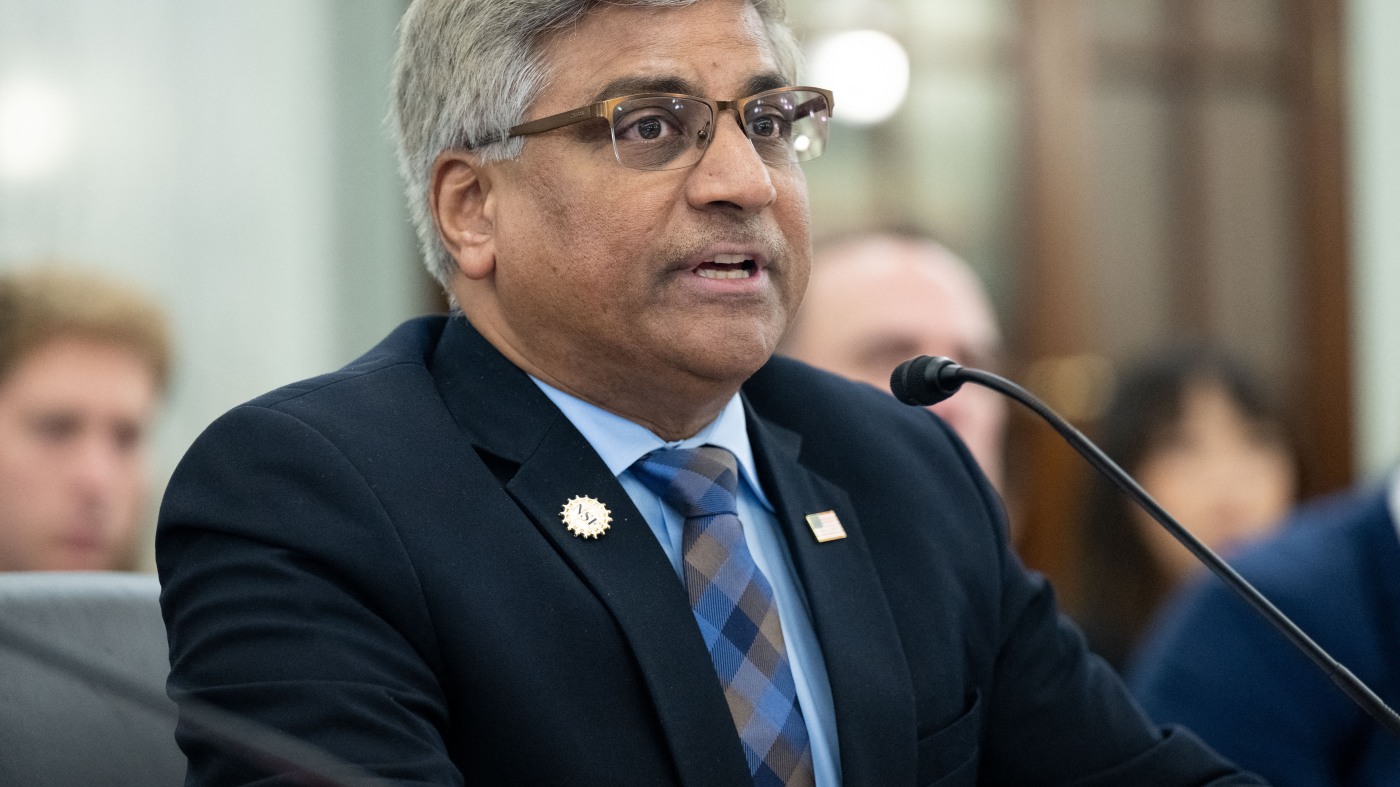
Sethuraman Panchanathan, the former Director of the National Science Foundation, vacated his position unexpectedly following significant funding eliminations at the agency.
The Trump administration has intensified its critical stance against the National Science Foundation, a pivotal entity funding foundational studies in science and engineering at universities nationwide.
A recent proposal from the White House threatens to reduce the NSF's budget by $4.7 billion, impacting more than half of its financial allocation of $9 billion.
Coinciding with this proposal, the NSF announced that it had nullified 344 grants, citing a lack of alignment with the agency’s strategic goals. This follows earlier mass cancellations of over one thousand grants.
The agency has currently suspended the issuance of new grants and ceased funding for ongoing projects while avoiding comments on these developments.
Amid this chaos, Panchanathan departed, stating he had reached the limits of his capacity to effect change.
Leaders in the scientific community, like the CEO of the American Association for the Advancement of Science, assert that slashing the NSF's budget would significantly hinder the progress of U.S. scientific initiatives.
While they are hopeful that legislative resistance will emerge, the uncertainty prolongs as scientists grapple with potential disruptions to support for research facilities and personnel.
The current impasse leaves many scientists considering alternatives to their current roles due to perpetuating uncertainties.
Unexpected Consequences and Wider Implications
Some projects initially affected by these cancellations involved research in diversity, misinformation, and disinformation, areas previously scrutinized by certain political figures.
However, the reach of the cancellations extended beyond these topics.
A database has emerged for reporting canceled grants, highlighting unexpected terminations, such as one for a conference on geometry and topology.
Conferences like these may have included initiatives for scholarship awards to under-represented communities, previously a focus for NSF funding.
Many projects focused on enhancing education at smaller and underserved institutions were also terminated.
For example, Michigan State University has long championed student engagement, with NSF-supported events heavily involving student participation, now facing financial uncertainty.
Uncertainty Spreads Across Academic Fields
The abrupt halt in funding uncertainty hinders initiatives aimed at increasing diversity and inclusion in fields like geosciences, resulting in potential staff layoffs and scrambling for financial support for student programs.
The lack of clarity and communication from NSF exacerbates the stress for academic professionals trying to plan their futures.
Future funding appears dire for programs identified as low priority by the current administration, such as climate and social sciences, while maintaining funds for AI and quantum sciences.
This situation leaves the scientific community on edge, with even those not directly impacted fearing sudden disruptions.
Scientists are increasingly contemplating career prospects outside the U.S., reflecting broader concerns about the nation's commitment to scientific research.
Leave a Reply