


My Approach to Minimizing Toxic Microplastics Exposure at Home
Reducing plastic usage in my daily life has been a lengthy journey. Instead of tackling everything at once, I've taken gradual steps.
Microplastics are pervasive—floating in the air, present in our food, and found in our water. We inhale them, ingest them, and the chemicals they carry can penetrate our skin.
Back when my children were very young, the science behind microplastics was not as advanced. I relied on plastic bottles for them, but knowing what I do now, I would choose glass.
Before scientists highlighted the potential developmental harm from chemicals in plastics, I was already learning about these risks.
My Research on Microplastics Health Risks
I've contributed to comprehensive studies examining how microplastics might impact health in areas such as reproduction, breathing, and digestive health.
Research suggests a potential link between microplastics and increased reproductive issues, chronic inflammation, and possibly higher risks of lung and colon cancers. While not definitively proven, these risks are under serious consideration.
Certain chemicals, like phthalates found in plastics, can interfere with hormone balance and fetal growth.
With plastic production set to triple by 2060, urgent preventive measures are crucial in mitigating future health hazards.
Though my suggestions aren't a full-proof solution, they are efforts to reduce my family's exposure to plastics.
Prioritizing Home-Cooked Meals
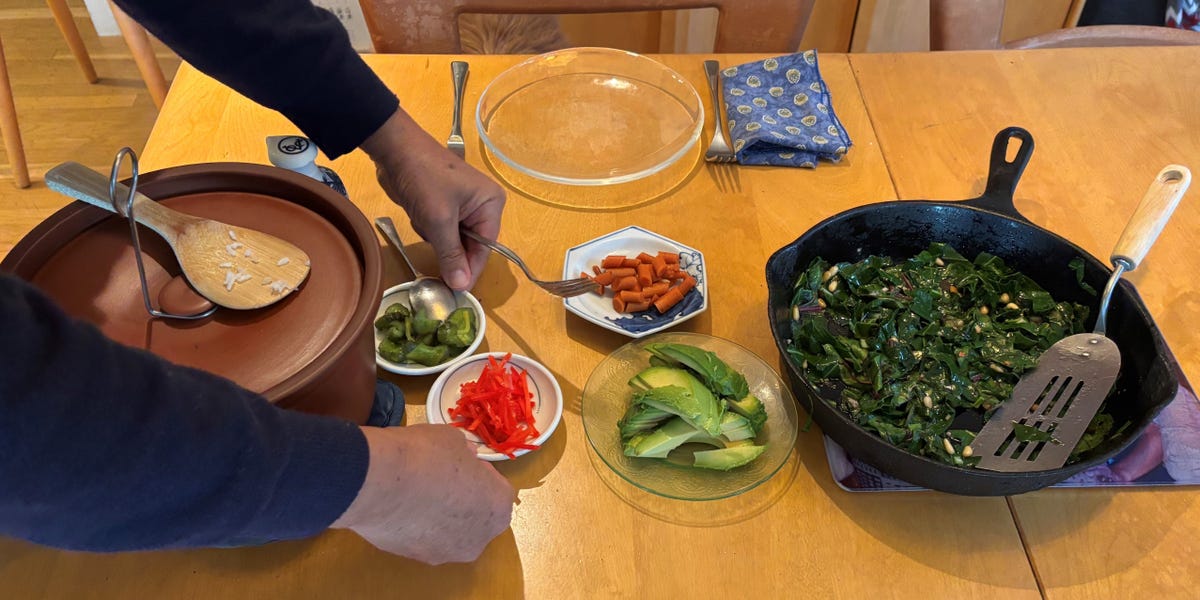
We predominantly consume meals made at home, focused on fresh, organic produce for two main reasons.
Firstly, packaging can introduce microplastics into food, so avoiding fast food and heavily processed products is essential.
Secondly, a nutritious diet enhances defense against the detrimental effects of microplastics, providing a buffer against harmful substances.
Your starting health status plays a role: Are you generally healthy, or do underlying health conditions exist?
Moreover, while not directly related to microplastics, prioritizing organic food reduces pesticide intake.
Avoiding Plastics in the Microwave and Dishwasher
We steer clear of microwaving anything in plastic.
Additionally, we avoid dishwashing tablets as they're encased in plastic, and hand wash containers instead of using the dishwasher.
Similar to microwaves, the high heat in dishwashers can degrade plastic materials.
Dust Control for a Cleaner Home
Dust can harbor a variety of chemicals and microplastics.
We rely on a vacuum fitted with a HEPA filter and clean using a wet mop and microfiber cloth to prevent dust disruption.
Regular cleaning includes dusting weekly and vacuuming and mopping bi-weekly.
Leaving shoes at the door prevents tracking in microplastics, particularly those originating from vehicle tires and deteriorating waste.
Transitioning to Natural Fibers in Clothing
Clothing often contains plastics like polyester, so we're gradually shifting to options made from natural materials such as cotton and linen.
Thrifting has become a key part of our routine, minimizing the intake of new plastic-based clothing. Purchasing second-hand means fewer new plastic garments are produced.
Although I don't endorse products, there are accessible online platforms like ThredUp that facilitate this shift. I enjoy using these services for my wardrobe.
Adopting Habits Gradually
Building these habits was not an overnight transformation, but a gradual evolution over time.
Progress comes with time, and each new habit helps lessen our environmental and health impact.
I encourage people not to feel guilty about contamination exposure. Everyone can strive for wellness, but ultimately, large-scale industry changes are necessary for effective control.
The larger issue lies with governmental action to eliminate harmful chemicals from consumer products at the source to prevent exposure initially.
Leave a Reply