


Delving into Netflix's 'Bad Boy': An Unconventional Tale of Adolescence
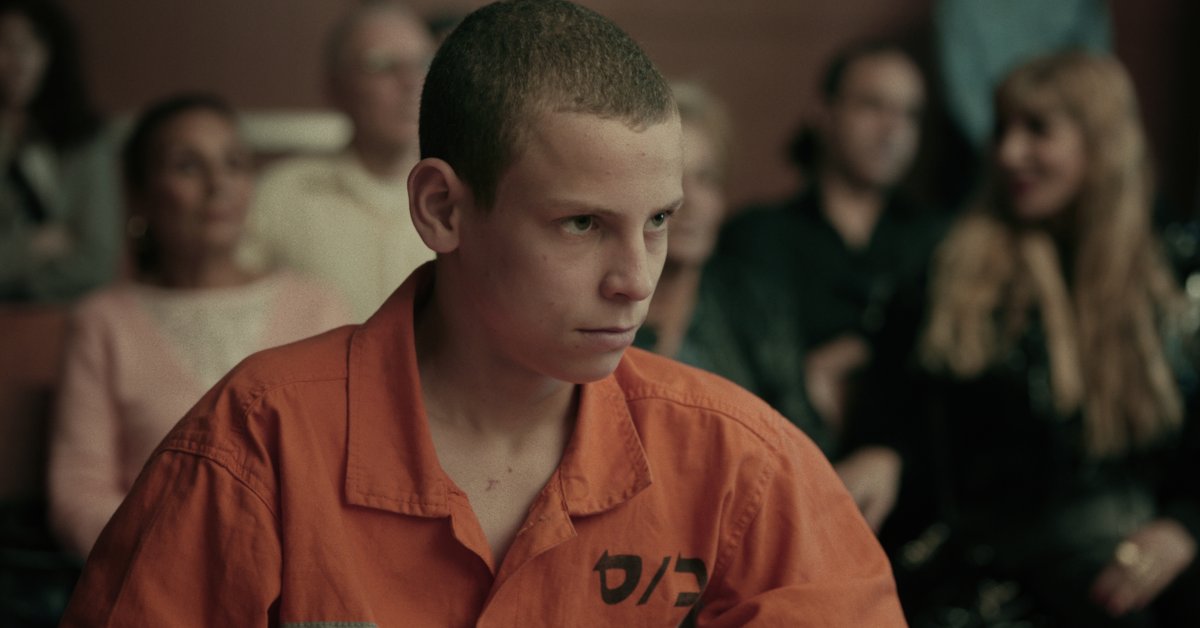
In a thrilling new series now featured on Netflix, an Israeli drama captivates viewers with an intense beginning. In the stillness before dawn, Tamara Scheinman is startled by a commotion outside her door. Before long, police fill her apartment hallway, warrant in hand, to arrest her teenage son, Dean, portrayed by Guy Manster. Tamara’s pleas fall on deaf ears as they escort the boy, still in sleepwear, to the precinct.
For Netflix audiences familiar with certain favorite shows, this scenario rings a bell. It mirrors the premises of other dramatic series that begin with a young individual's shocking arrest. At 13, Dean’s entry into the juvenile justice system is a narrative echo, yet 'Bad Boy' brings its own unique story. Originating from its premiere at the Toronto International Film Festival in 2023, this series has garnered attention not for imitation but for its distinct approach, unveiling on Netflix as audiences of similar narratives began to dwindle. However, beyond this initial scene, the similarities fade.
Unlike other coming-of-age dramas that use their young protagonists to navigate themes of upbringing in the age of social media, 'Bad Boy' doesn’t adhere to such specifics. Its storyline, centered around Dean's journey through juvenile detention, unfolds through a fragmented narrative. Multiple timelines obscure the reasons behind Dean’s detainment, which he attributes to Tamara, until later episodes reveal more context. From the outset, it’s apparent that Dean exits incarceration relatively unharmed, now performing comedy sets as Daniel Chen, the older version of himself. This structural choice offers a lens to view past experiences, yet often dwells on light, superficial humor.
Exploring Relationships Within Detention
The series excels in depicting Dean’s interactions with Zion Zoro, his cellmate. Zoro, infamous for a violent, youthful crime, becomes a pivotal figure in Dean’s life. Whispered rumors paint Zoro as a pariah; however, his calm demeanor underlines the complexities of his character. Within the detention center, where figures like Freddie, a mini-mob boss, dictate the rules, Dean faces choices fraught with moral dilemmas, balancing safety against loyalty.
The nuanced performances, especially by Manster and Farda, immerse viewers into the emotional depths of these young characters. Captured through unassuming yet poignant cinematography, the actors convey unspoken tension and unmask the vulnerability behind their tough exteriors.
Cultural Barriers and Narrative Limitations
Despite the series' compelling premise, cultural nuances present challenges for international audiences. The humor, deeply rooted in Israeli context, may lose its punch when crossing linguistic and cultural divides. The narrative also assumes a familiarity with Israeli sociopolitical dynamics that might elude foreign viewers, potentially obscuring the subtleties of race, ethnicity, and religion.
Yet, despite its ambitions, 'Bad Boy' leaves key issues underexplored, skirting substantive analysis of its central themes. It touches on questions about violence and adolescent identity but lacks the depth found in similar narratives. Dean’s yearning for connection within the juvie environment, or his vision of incarceration as a paradoxical freedom, begs more exploration.
Gaps Between Past and Present
Two significant unanswered questions propel the show: the breakdown of Dean and Zoro’s friendship, and Dean’s transformation from troubled youth to comedian. While the detention center’s drama program appears to spark Dean’s comic potential, the justification for his success feels disconnected, overshadowing the diverse stories of his peers within the facility.
Leave a Reply