


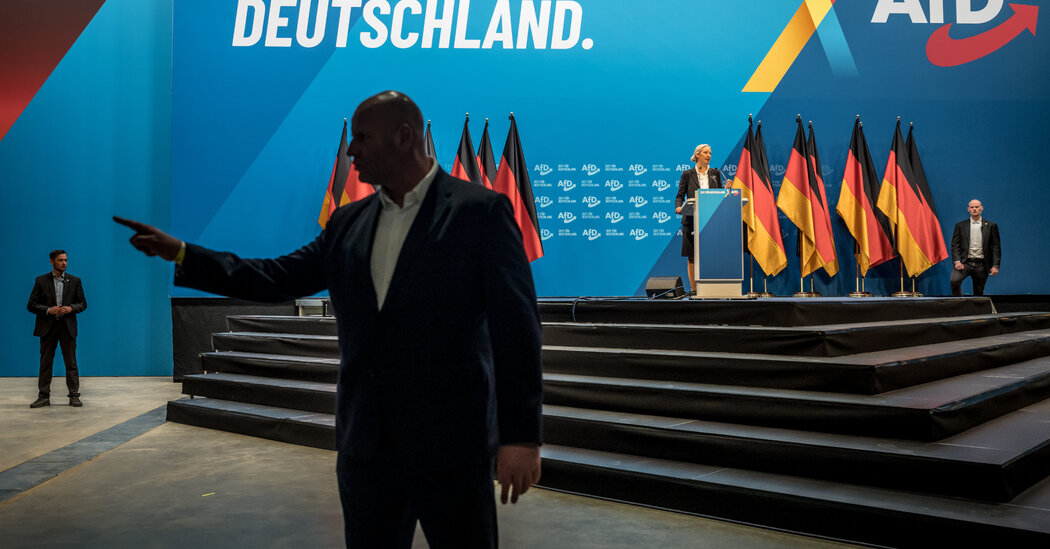
German Intelligence Marks AfD as an Extremist Entity
Germany’s intelligence service has labeled the Alternative for Germany party, frequently recognized by its German acronym AfD, as extremist. This decision is anticipated to spark renewed discussions about potentially banning the party, despite its notable popularity in some opinion polls.
The categorization empowers authorities to intensify surveillance on the party's operations and leadership. This move is certain to stir up the ongoing discourse in the nation about whether legislative action should be taken to outlaw AfD, which promotes viewpoints that many argue conflict with constitutional values.
According to Nancy Faeser, who will soon step down as Interior Minister, the AfD's philosophy supports a discriminatory concept of ethnicity, effectively labeling citizens of migrant origin as lesser Germans. Such ideologies are contrary to the principles set forth in Germany's Basic Law.
This determination came after comprehensive surveillance and is based on an extensive 1,100-page dossier produced by the Office for the Protection of the Constitution. This office was operational even post-World War II to safeguard democratic structures and avert the rise of extremist forces reminiscent of the 1933 Nazi takeover.
AfD's Response and Political Tensions
The AfD has dismissed this categorization as a strategic, politically driven effort to marginalize them, suggesting that it serves the interests of mainstream parties. Stephan Brandner, an influential figure in the party, has criticized the decision, arguing it lacks factual basis and legal justification.
Leave a Reply