


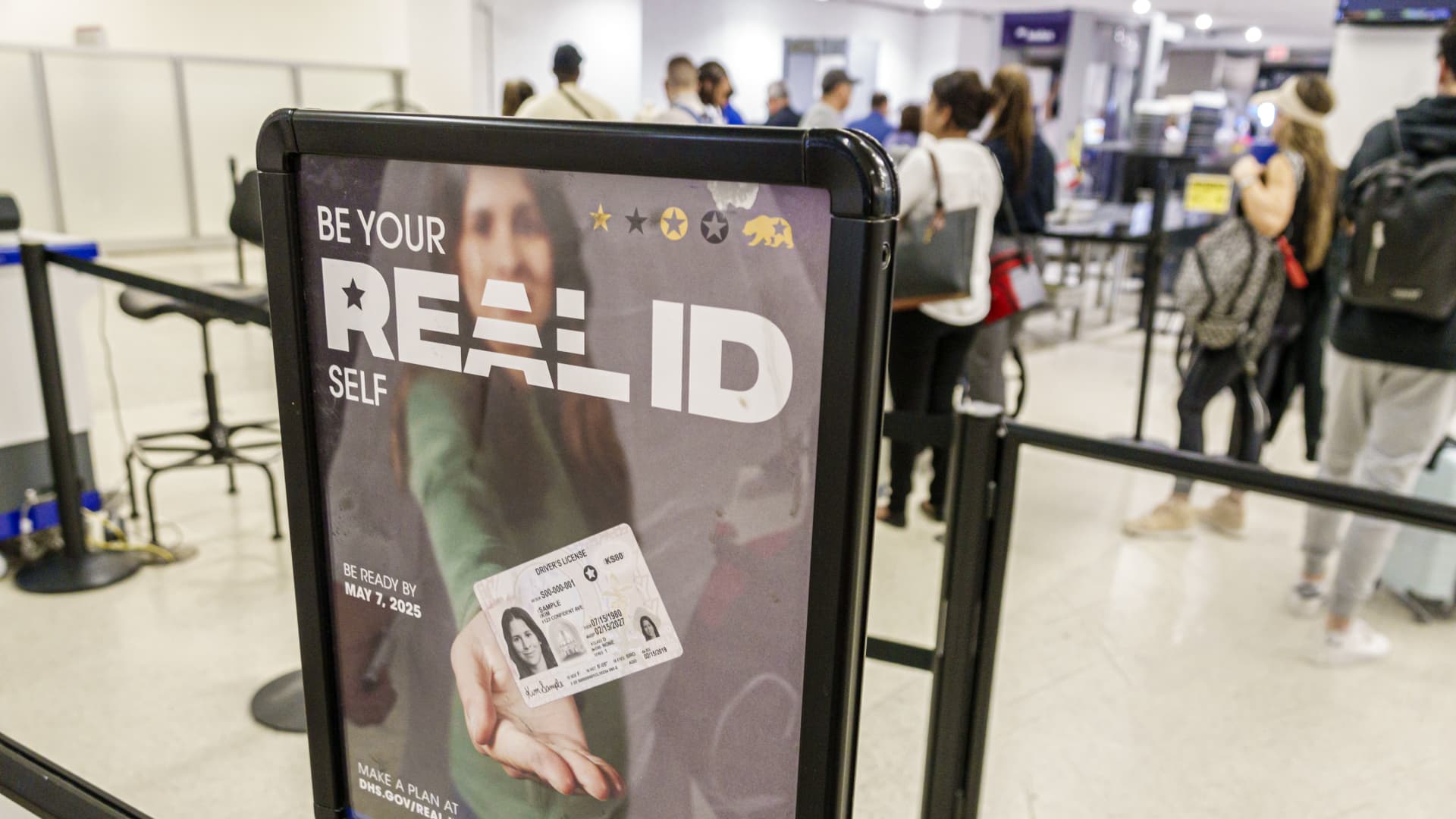
Real ID and New Privacy Concerns: Navigating the Transition
After numerous postponements, the new Real ID requirements are fast approaching. Starting May 7, only those with updated driver's licenses or ID cards—an initiative born out of post-9/11 security reforms—or another approved form of identification can board domestic flights or access certain federal buildings.
All U.S. states, including the District of Columbia and U.S. territories, are conforming to the Real ID standards, as reported by the Department of Homeland Security. However, not every state is content with these changes. In Maine, for example, Representative Laurel Libby has facilitated state issuance of IDs compliant with the federal Real ID act.
The TSA facilitates identity verification using biometric cameras, which help confirm travelers' identities quickly. Though these images and data are purged following confirmation, leaving no record for enforcement or surveillance, experts in cybersecurity and privacy remain cautious about the security of consumer data.
Understanding the Impacts of Real ID
Crucially, Real ID does not establish a national database for driver's licenses; states continue managing their records independently. However, there’s a looming fear among privacy advocates about potential federal databases that could arise, explained American Civil Liberties Union’s Jay Stanley. Such centralization could pose significant threats to privacy and digital security.
According to Jodi Daniels of Red Clover Advisors, while government possession of personal information often raises eyebrows, presently, there's no shift towards central data repositories.
Safeguarding Existing State Data
States have historically managed driver’s licenses and safeguarded personal data effectively. Bala Kumar from Jumio emphasizes that while data protection technologies differ across states, the confidentiality of these security measures is advantageous to deter malefactors.
Despite these cybersecurity frameworks, privacy experts warn about the potential for data exploitation. Some states might distribute data to entities like insurers, which could heighten concerns. Advocates suggest individuals monitor local practices and engage state representatives if they are dissatisfied with data protection policies.
Proactive Consumer Measures
Although confidence in Real ID data security is relatively high, experts encourage citizens to remain vigilant. Cyber theft remains a persistent threat, urging people to adopt long-standing security measures.
Proactively freezing credit with major bureaus—Experian, Equifax, and TransUnion—can minimize risks, according to Zulfikar Ramzan from Point Wild. Identity monitoring and secure communication protocols can further protect personal information from potential manipulation.
Tom Moore from Protiviti advises families to develop unique code words to prevent scams using facial recognition technologies that create deceptive likenesses of loved ones.
Information Sharing in the Digital Age
For over a decade, states have collaborated using the State-to-State Verification Service to confirm existing licenses elsewhere—a practice that aligns with similar systems tailored for commercial drivers.
Various DMV data is accessible to law enforcement, sometimes sold to private sectors. Although security measures are established, several states have considerably fortified their networks anticipating Real ID, notes Andrew Bud from iProov.
Progressing Towards Digital Licenses
Many states are now exploring mobile driver's licenses—digital IDs on smartphones—which are emerging as a forward-thinking replacement to traditional card formats.
These licenses embed digital signatures, strengthening the authenticity of ID verification processes. Approximately a quarter of U.S. states are issuing these digital licenses, with others either in pilot stages or evaluating legislative adjustments.
Leave a Reply