


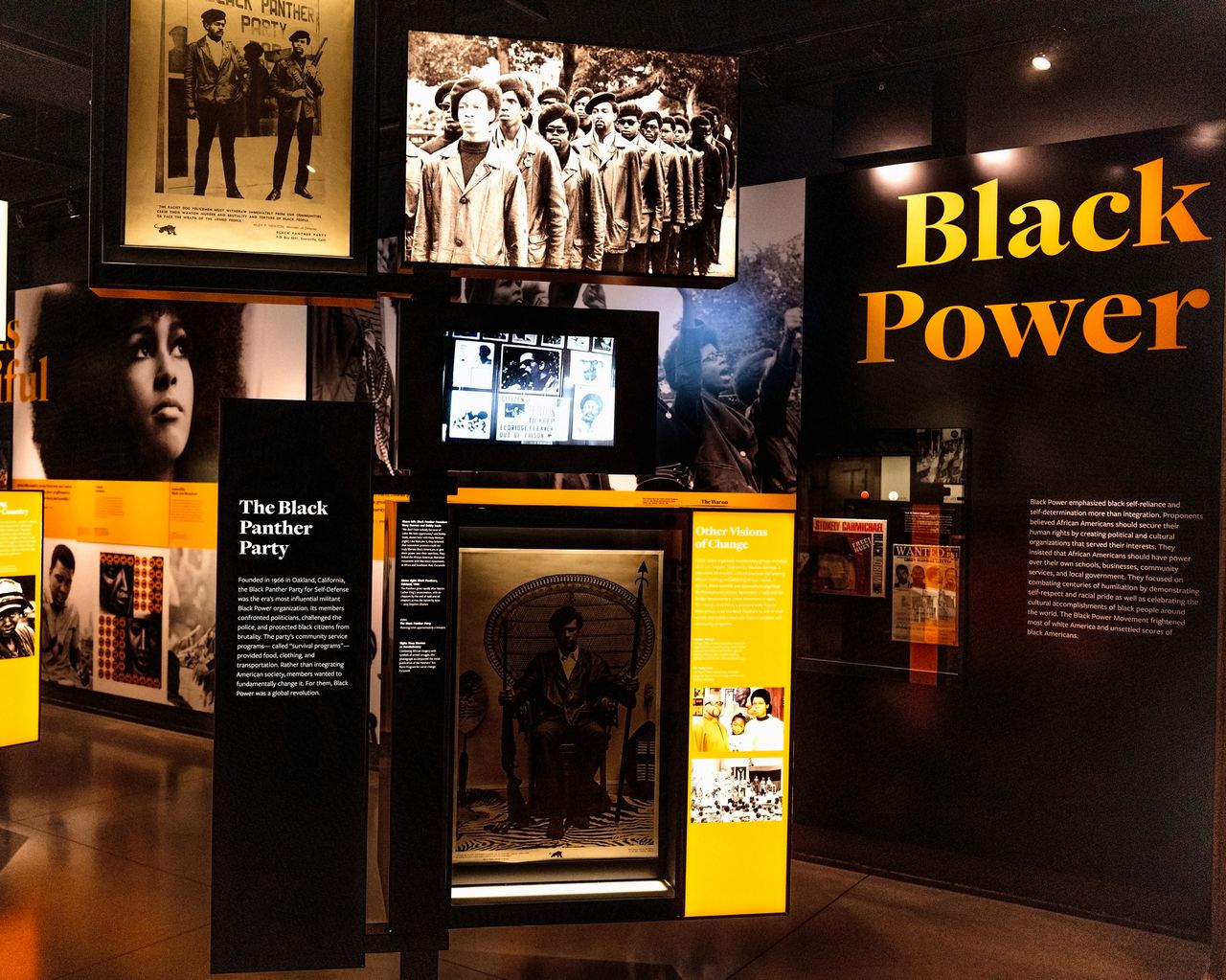
Digital Archivists Rush to Preserve Black History Amid Political Challenges
In Atlanta's Auburn Avenue Research Library, a new initiative began its journey as a group of enthusiastic fellows embarked on a year-long mission to empower communities to preserve Black history.
Makiba Foster, cofounder of the WARC initiative, advocates for community-driven dialogues around historical preservation, emphasizing, "We aim to empower Black communities to decide the stories they wish to preserve."
Foster's initiative seeks to decentralize the acquisition of historical skills, wary of relying on traditional institutions that may retract support at will.
As WARC takes center stage, President Trump's tenure features significant pushback against diversity, inclusion, and related efforts, culminating in executive actions perceived by many as minimizing racial representation.
Cofounder Bergis Jules warns, "Efforts to erase history deny the humanity and existence of those whose stories are removed from the record."
These archivists train to become custodians of Black narratives, armed with the capabilities to ensure their cultural and historical relevance despite political resistance.
Makiba Foster highlights the fickle nature of DEI proclamations, noting that support may vanish as soon as they become politically inconvenient.
The Broader Culture Conflict
The brainchild of the Archiving the Black Web initiative, WARC originated from efforts to record the Black Lives Matter movement, and today stands against a broader cultural regression targeting museums and historical narratives.
David Blight, from the Organization of American Historians, criticizes the administration's attempts to control narrative, highlighting its impracticality and inherent dangers.
Incidents such as the removal of Jackie Robinson's biography from U.S. Naval Academy shelves reflect broader implications of executive orders aimed at reshaping cultural memory by selectively editing American history.
Professor Meredith D. Clark contends that museums serve as public heritage and Trump's policies aim to shape public belonging by dictating historical inclusivity.
Clark draws parallels with historic efforts to obliterate dissent by erasing cultural markers, emphasizing the role of historical preservation in resisting domination.
Mobilizing Digital Platforms
As traditional platforms falter, social media behemoths hold the line in cultural resistance, countering misinformation and furnishing access to uncensored narratives.
Digital campaigns emerged as a countermeasure during key societal upheavals, spotlighting injustices through curated educational resources.
During those critical times, the Black community redefined ignorance as an inadequate excuse, establishing resources to enlighten and empowering activism.
Though official records frequently sideline community voices, digital interventions have become a linchpin in preserving silenced histories.
Despite being gateways to collective memory, institutions like the Internet Archive remain inaccessible to many Black archivists, a gap that Jules and Foster aim to bridge.
Rudy Fraser's Blacksky initiative exemplifies innovative archival solutions that defy centralized control, ensuring cultural preservation remains in communal hands.
Grassroots Educational Movements
Educational ventures extend beyond traditional classrooms. Karen Attiah's online course captures the spirit of democratized learning and historical empowerment.
Despite institutional constraints, such efforts illustrate community resilience and reaffirm the potency of knowledge-driven resistance.
Foster, undeterred by political impediments, remains committed to safeguarding historical literacy, challenging institutional stewardship of Black history.
Clark emphasizes that preserving historical pathways informs not just the past, but illuminates future progress, underscoring the importance of recording both triumphs and setbacks.
Leave a Reply