


China Eyes K-pop for Economic Recalibration Amidst US Trade Conflict
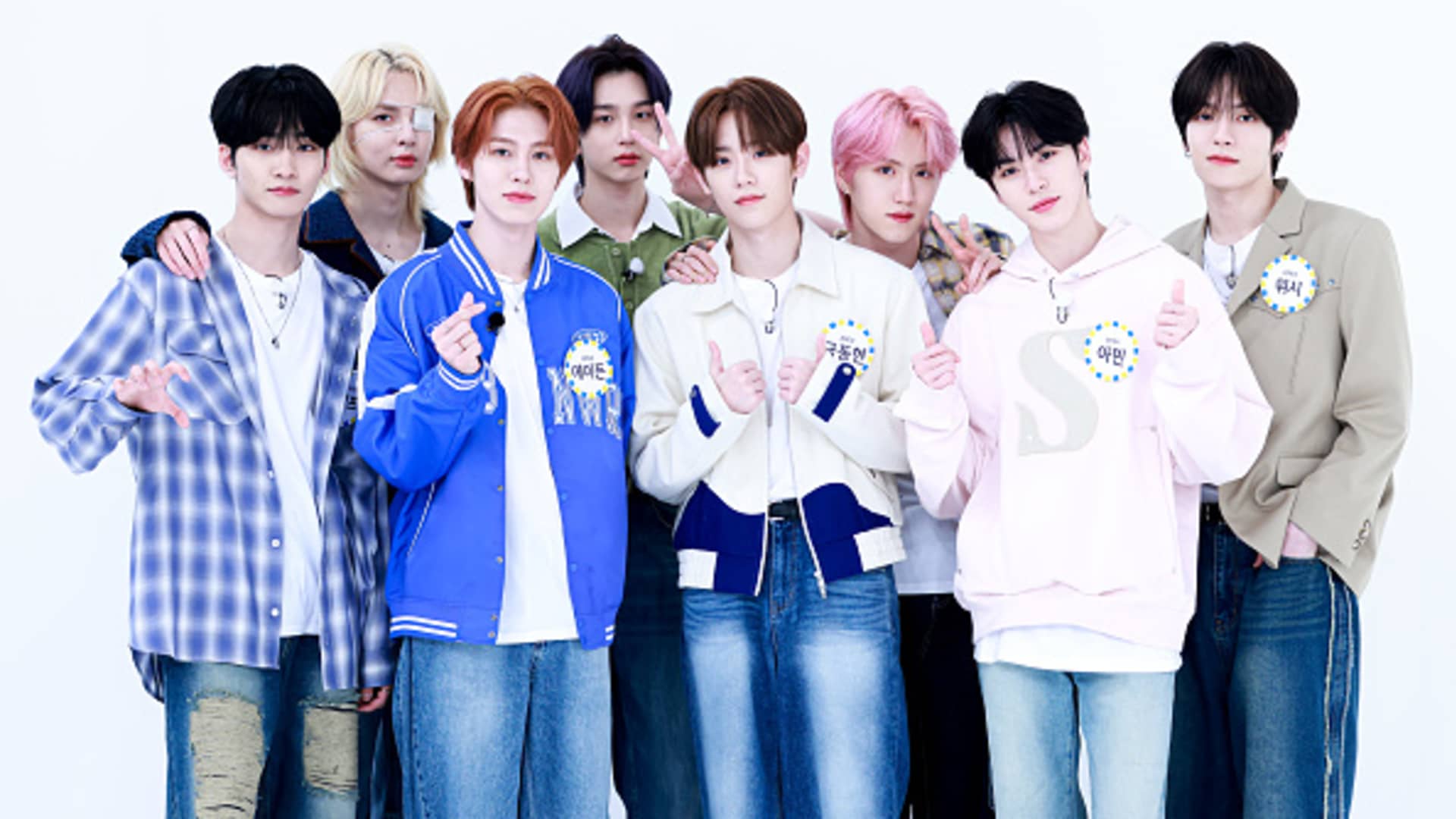
In the heat of a trade spat with the US and facing tepid local spending, China seems ready to pivot towards an unexpected arena: Korean pop music, known as K-pop.
For the first time since 2016, Fuzhou in China’s Fujian province will host a much-anticipated concert on May 31. Following suit, the annual Dream Concert, celebrated as South Korea’s premier K-pop festival, will be staged at a stadium seating 40,000 in Hainan province this September, as reported by the Korea Entertainment Producers' Association.
Such developments suggest a potential relaxation of China’s unofficial prohibition on K-pop artists, instated after South Korea introduced the Terminal High Altitude Area Defense missile system in 2016, among other geopolitical tensions.
Strategic Shift Towards Consumption Boost
According to Oh Jiwoo from CGS International Securities, this move towards K-pop marks a significant structural shift aimed at rejuvenating domestic consumption, which has languished over recent years. With consumption previously driving a substantial portion of China's GDP, its decline to less than 30% has necessitated new strategies to invigorate spending, especially amid stagnant consumer price index growth.
Officials have begun championing cultural events, including international pop shows, to boost consumer spending in industries like tourism and hospitality. A recent directive from China’s culture and tourism ministry underscores the push for such cultural promotions.
Entertainment Emerges as Tariff-Proof
The appeal of K-pop lies in its immunity to trade tariffs that have impacted other sectors heavily. As Ji In-hae of Shinhan Securities notes, while tariff volatility disrupts many markets, entertainment notably sidesteps these barriers. The industry’s revenue engines—namely streaming platforms, concert tours, and fan-centric content—are largely digital and intangible, thus shielded from international tariffs.
Unlike industries like semiconductors and automobiles, where tariff policies deeply affect pricing and supply, K-pop’s global reach remains largely unaffected.
Soft Power and Diplomatic Outreach
Beyond mere economics, China's shifting outlook on K-pop also carries diplomatic undertones. Analysts like John Wu and Alicia Yap from Citi suggest that rekindling cultural ties with South Korea may pave the way for broader diplomatic and economic rapprochement, as China navigates its economic uncertainties.
Restoring access to South Korean cultural exports could reflect a strategic nuance that not only diversifies China’s cultural offering but also fosters regional goodwill. This cultural diplomacy could serve as a precursor to more substantial policy shifts, creating economic and diplomatic bridges across East Asia.
Prospects for K-pop Industry Growth
The potential easing of restrictions heralds promising news for the K-pop music business. According to Joshua Kim of CGS Securities, reviving the Chinese concert scene could see China dramatically expand its market share in global K-pop revenues by 2025, provided restrictions continue to relax.
Should this trend persist, it could significantly drive up revenue forecasts and stock valuations for South Korea’s top entertainment firms, dubbed the ‘Big Four’. This burgeoning opportunity aligns with a strategic multi-phase reopening that could unlock new growth avenues for these companies as they capitalize on pent-up demand.
Leave a Reply