


Federal Judge Restrains Alien Enemies Act for Venezuelans in Texas
On Thursday, a judicial decision in Texas declared the use of the Alien Enemies Act by the Trump administration to detain and deport Venezuelan nationals from South Texas as 'unlawful.'
The judgment from U.S. District Judge Fernando Rodriguez, Jr., who was appointed by Trump, stated that employing this act transgresses its intended scope and contradicts the usual interpretation of the statute's text.
According to Judge Rodriguez, the federal authority lacks the legitimate power under this act, as it stands, to hold, relocate within national borders, or expel Venezuelan immigrants.
The judge's ruling applies to the entirety of Texas's Southern District, encompassing cities such as Brownsville, McAllen, and Houston.
This decision marks a pivotal moment, as it is the initial instance where a judiciary body has determined that this act cannot target gang-affiliated individuals claimed to be entering the country.
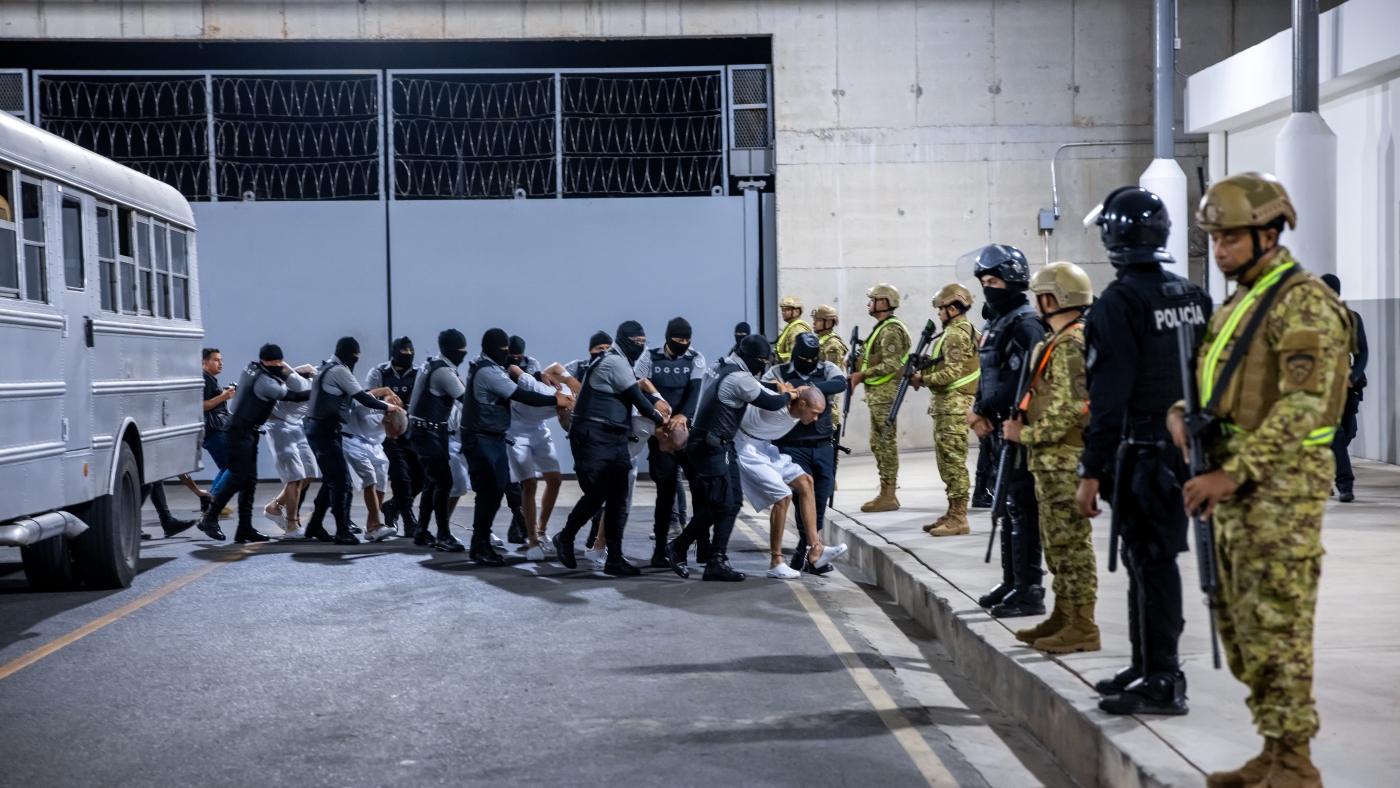
"The President is not authorized to unilaterally label an influx of individuals as an invasion, thereby invoking wartime authorities during a period of peace," said Lee Gelernt from the American Civil Liberties Union, representing three Venezuelan plaintiffs. He emphasized the ruling's importance in preventing deportations to CECOT, a well-known maximum security facility in El Salvador.
By reviewing historical documents, Judge Rodriguez articulated that the original meaning of terms like 'invasion' under this statute demanded a military invasion, which did not align with the Venezuelan gang activities described.
Rodriguez further stated that while an 'invasion' involves a structured, armed group entering the U.S. for disruptive objectives, it does not necessitate the precedents of actual warfare.
The Department of Homeland Security has not yet responded to requests for comments regarding the ruling.
Presidential Proclamation and Legal Responses
President Trump had accused the gang Tren de Aragua of orchestrating hostile actions against U.S. soil, suggesting a form of irregular warfare linked to Venezuela's Maduro regime.
Trump's executive directive intended to apply the Alien Enemies Act to send suspected gang affiliates to a high-security prison in El Salvador, despite not having substantive criminal records for all involved.
Numerous legal battles stem from this proclamation, challenging the Trump administration's interpretation and enforcement actions.
In another legal context, a panel from the U.S. Court of Appeals for the D.C. Circuit opposed the administration's wartime power claims with a majority decision, highlighting a lack of due process for accused individuals.
Supreme Court precedents demand reasonable time allowances for contested deportations involving alleged gang members, though the specific duration for these challenges remains unspecified.
Leave a Reply