


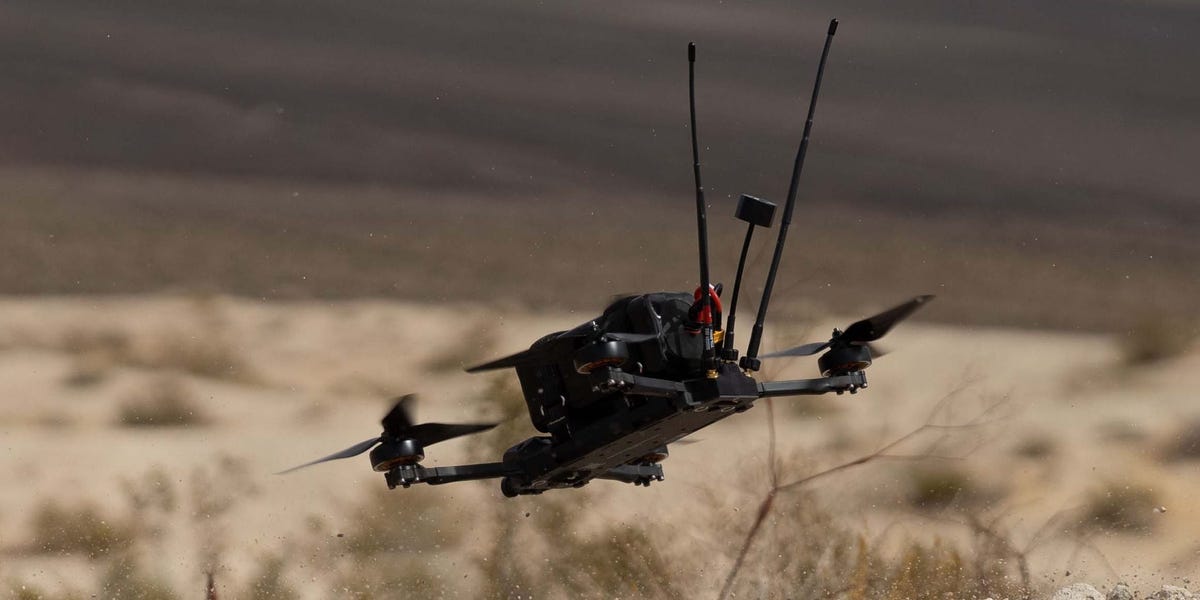
Marine Corps Urges Overhaul to Embrace Drone Advances
Marine Corps officials are increasingly vocal about the necessity for a dramatic revamp in attitude and approach towards drones, as entrenched habits and procurement hurdles hinder full adoption of this critical technology.
Urgency and Obstacles
"Progress is insufficient," stated Col. Sean Hoewing, responsible for the Aviation Combat Element in Capabilities Development, addressing the current pace of drone integration within the Corps. On a platform at the Modern Day Marine symposium in Washington, DC, urgency for drone incorporation was clear, yet impediments remain rooted in the labyrinthine procurement processes developed over the past twenty years.
"Our procurement strategy minimizes acquisition risks to the extreme," elaborated Lt. Gen. Benjamin Watson. This cautious approach creates an environment where the quest for perfection disrupts timely adoption of innovations such as drones. The Corps’ commitment to efficient budget use and their success in passing Pentagon audits also contribute to a risk-averse culture.
Watson emphasized the necessity of deploying drones on a broad scale to rigorously enhance training, predicting wider drone and loitering munition use within the coming year. The conflict in Ukraine underscores the strategic advantage of deploying compact, uncrewed aerial systems down to the squad level.
Navigating Bureaucratic Snags
Acknowledging the challenge, Maj. Gen. Farrell Sullivan called out the lack of seamless coordination necessary for technological advancement. Terming the regulatory journey as the "Valley of Death," he highlighted the bureaucratic entanglements frustrating companies trying to collaborate with the Department of Defense.
At the Modern Day Marine event, the emphasis was on amplifying drone expertise across all Marine ranks—proficiency with drones should parallel their foundational skills with rifles.
Senior officials and commanders concurred that the cultural inertia surrounding drone adoption is staggering. Col. Scott Cuomo, at the helm of the Weapons Training Battalion, pinpointed cultural resistance as a significant impediment. The strategic deployment of a new Attack Drone Team is intended to foster widespread comprehension and usage.
Cultural Resistance and Training Innovations
Col. Cuomo recounted an anecdotal strategy: an enlisted Marine developed drone proficiency via inexpensive commercial simulations and a brief training course—a stark contrast to the military’s protracted certification programs, but illustrative of the innovative thinking necessary.
Efforts are underway to streamline communication and strategic decision-making via new advisory boards. However, challenges persist as the Marine Corps attempts to surmount bureaucratic inertia.
Financial Constraints and Strategic Imperatives
Financial inflexibility compounds the issue for the Marine Corps, which lacks the agility observed in the Army and Special Operations Command for reassigning funds to emerging priorities, such as drones. Much of the fiscal resources are tied up in the Force Design strategy, which prioritizes other areas over unmanned aerial systems.
In addition, addressing deteriorating living conditions through Barracks 2030 claims a substantial portion of the budget.
To accelerate drone adoption, advisory boards targeting offensive and defensive drone operations have been proposed to ensure frontline developments reach Pentagon policymakers, facilitating a swifter operational response.
Future Directions and Challenges
As the Marine Corps embarks on this journey of rapid tech adoption, logistical challenges multiply. Drone battery management, compliant with stringent DoD safety regulations, highlights one such challenge, alongside operational doctrines and training methodologies.
The absence of a formal DoD "program of record" for certain equipment complicates long-term funding prospects, further stymieing progress.
Leave a Reply