


Echoes of Authoritarianism: Trump Through the Eyes of Those Who Left Autocracies
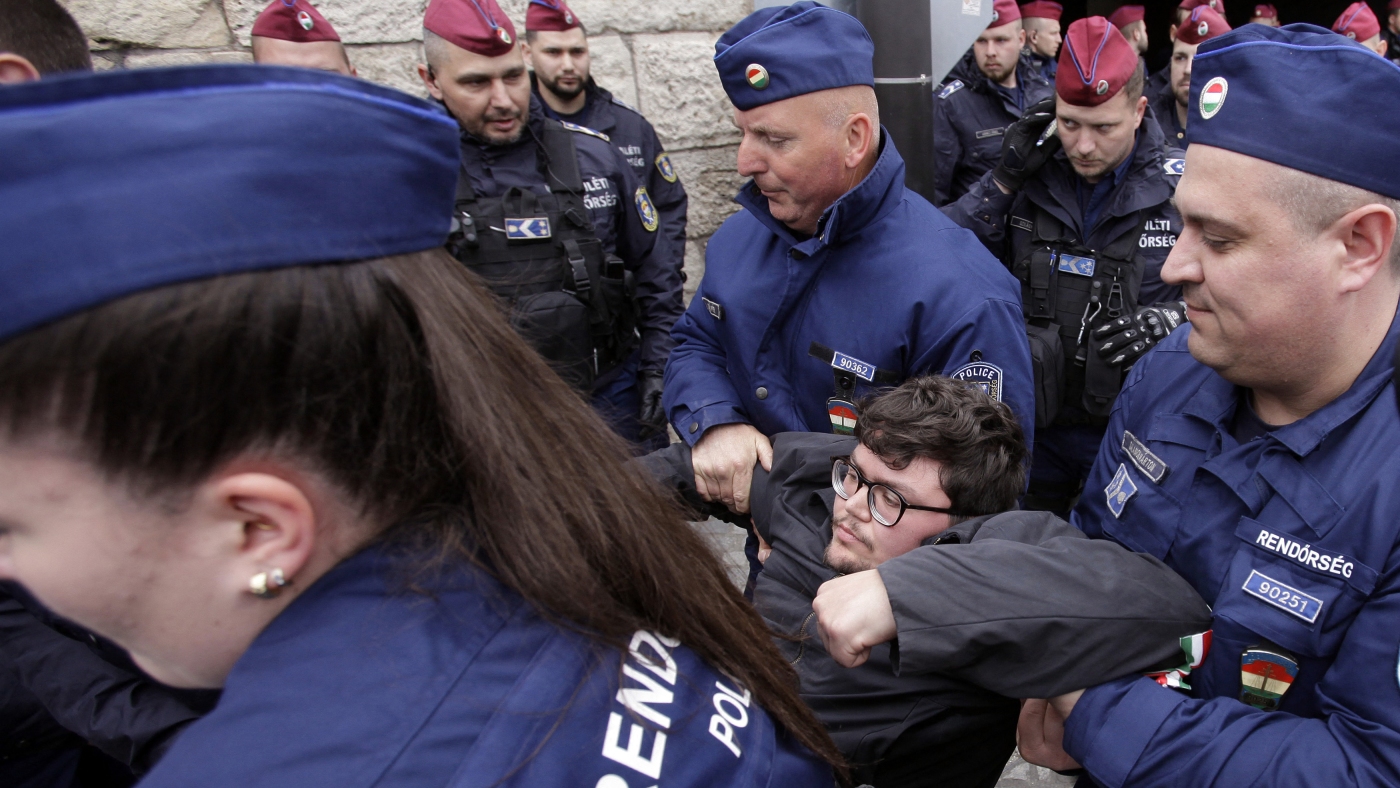
László Korányi's visit to Hungary for his mother's milestone birthday was far from straightforward. Avoiding direct flights due to political apprehensions, he discreetly crossed the border from Austria into Hungary, highlighting the nation's tense political climate.
Korányi actively engages Hungarians abroad in electoral participation through an organization he directs. Allegations of jeopardizing Hungary's sovereignty are frequently wielded against him by pro-regime media, branding him a public adversary.
Warnings from friends and diplomatic bodies made it clear: Hungary might not be safe for Korányi with the current government potentially seeking his arrest.
Having recently secured U.S. citizenship in pursuit of safety, Korányi is disheartened by instances where U.S. officials aggressively scrutinize returning citizens, resonating with tactics he thought he had left behind.
Amir Makled, a lawyer from Michigan, recounted being detained and having his phone searched upon re-entry to the United States, suspecting this was linked to his clients' politically sensitive stances.
Perceptions of Authoritarian Parallels
Many immigrants, who once fled from repressive regimes to find solace in America, find unsettling echoes of authoritarian tactics in the current U.S. climate. Opinions shared with NPR suggest a concern over weaponization of governmental powers against perceived adversaries.
Academic Steven Levitsky points to an apparent authoritarian inclination in governance, characterized by the punitive use of state tools against opposition, while rewarding allies and stifling media.
Divergent Views Among Immigrants
Contrasting with these views, some immigrants argue that it is not Trump but other political figures who epitomize authoritarianism. Lily Tang Williams, originally from China, attributes censorship during crises like COVID-19 to Trump’s successor, not the former president himself.
Educational Freedom Under Scrutiny
For educators like Pinar from Turkey, who came to America to escape fissures in academic freedom, this environment feels increasingly restrictive. With federal pressure on educational institutions perceived as insufficiently counteracting antisemitism, professors feel pressure to self-censor.
Pinar, now a lecturer at Middlebury College, changes her approach, hesitating to directly address contentious topics in class over fears of backlash.
Media Criticism and Consequences
President Trump's contentious relationship with the media echoes tactics observed in authoritarian states. Critics cite examples of attempted media regulation and assault on public broadcasters as eerily familiar strategies.
Maria Ressa, a renowned journalist from the Philippines, draws parallels between Trump’s tactics and those of former Filipino President Duterte, whose administration silenced dissenting media outlets through license revocation.
Ressa, teaching in the U.S., urges vigilance to maintain press freedom, warning that damages to media liberties can be long-lasting.
A Reminder of Fragile Freedoms
For those like Korányi and Pinar, the environment in the U.S. stirs memories of their home countries' autocratic pasts, challenging their belief in America as a haven of liberty and ideals they sought refuge in.
The perspective of those who escaped authoritarian regimes serves as a potent reminder of how governmental practices might mirror those which many fled, raising crucial questions about preserving democratic freedoms.
Leave a Reply