


Three Republican Senators Oppose Trump's Broad Tariffs
A tightly contested Senate vote on Wednesday nearly saw the passage of a resolution designed to halt President Trump's extensive tariff policies on international goods, marking what would have been a symbolic opposition to his trade measures.
Had the resolution been enacted into law, it would have ended the national emergency declared by Trump on April 2, famously referred to as 'Liberation Day' by him, which enabled a 10% tariff on a wide array of international imports, along with further 'reciprocal' tariffs across numerous nations.
Currently, the imposition of additional tariffs has been temporarily halted for a 90-day period as the government asserts that negotiations with other countries are underway to alter their trade practices.
The House of Representatives was not expected to entertain the resolution, overwhelmed by a Republican-passed rule that prevents consideration of such resolutions until late September. Even if the resolution made it to the President's table, Trump was anticipated to exercise his veto power.
Despite a 49-49 tie in the voting, the result emphasized the lack of full Senate support for Trump's trade strategy, marking the second occurrence in a single month of this reflection.
Without the attendance of two opposed senators — Democrat Sheldon Whitehouse from Rhode Island and Republican Mitch McConnell from Kentucky — the resolution would likely have advanced.
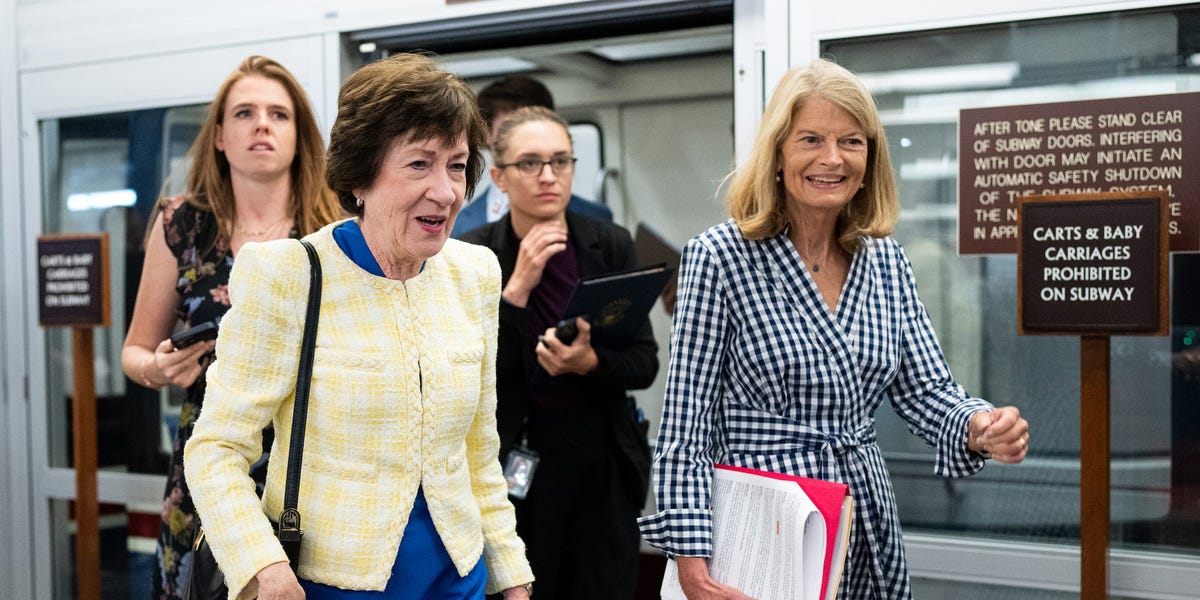
Notably, three GOP Senators stood with Democrats: Susan Collins of Maine, Lisa Murkowski of Alaska, and Rand Paul of Kentucky. These senators, along with McConnell, had also supported an earlier effort to prevent imposing tariffs on Canada.
Additionally, seven Republican senators have endorsed legislation aimed at restricting Trump's authority over trade tariffs. The proposed law mandates that Congress must approve new tariffs within 60 days after they are introduced.
Several other Republicans, while not officially backing this legislation, have voiced concerns about the tariffs, cautioning they could trigger increased prices and potential extensive economic harm.
Senator Ted Cruz from Texas has warned that cars made within the United States might become significantly costlier, sharing insights from discussions with major automobile manufacturers. Similarly, Senator Ron Johnson from Wisconsin mentioned the 'substantial disruption' these tariffs are causing to business operations.
Leave a Reply