


U.S. Economic Contraction in First Quarter as New GDP Figures Reveal
The U.S. economy saw a significant decline in activity early in 2025, largely attributed to businesses eager to stock up before taking a hit from President Trump's expansive trade tariffs.
According to preliminary data from the Commerce Department, the country's gross domestic product (GDP)—representing the sum total of all goods and services—reduced by 0.3% in the first quarter, a considerable deceleration from the 2.4% growth recorded in the last quarter of 2024. Economic analysts had predicted a 0.8% rise for the same period of 2025, as per a survey by FactSet.
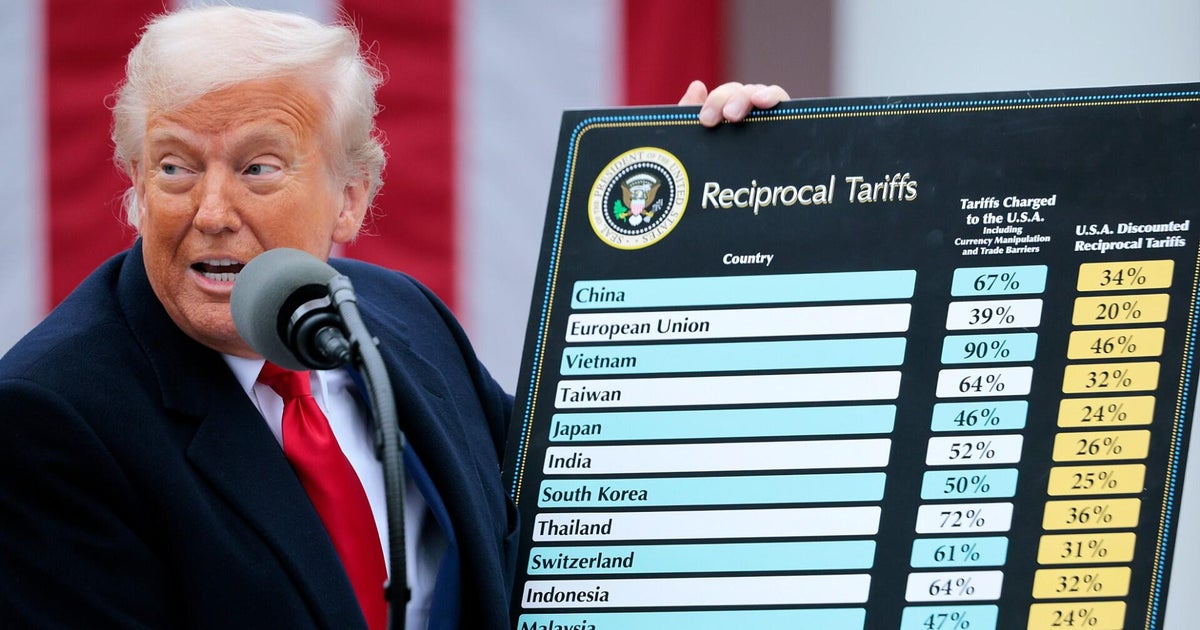
This downturn is causing increased unease about possible disruptions in the economy due to the widespread tariffs. Although these tariffs were implemented after the quarter's end, businesses preemptively boosted purchases to circumvent potential repercussions.
Tariff Fears Precede Economic Numbers
Economists warn that the report's data might not completely mirror economic activities since the influx of imports seeking to outpace tariffs might cloud the growth figures. Although a rise in imports can appear as a negative factor in GDP calculations, it doesn't necessarily undermine local consumption.
Deputy chief U.S. economist at Oxford Economics, Michael Pearce, expressed in a note dated April 29 that imports have never been the cause of a recession. While GDP considers imports as a deduction, these actually indicate more purchasing or investments, and sometimes contribute to inventory growth.
Prospects for 2025 Economic Trajectory
The economy is anticipated to experience a reduction in growth rates through 2025, partially due to the influence of these taxing trade policies levied on American enterprises such as Walmart and Target. With elevated tariffs, the economy could witness ramifications such as heightened prices for consumers, which might dim spending habits.
Estimates by FactSet project a slowdown in GDP growth to 1.9% in 2025.
Pearce also mentioned that inflation indicators will reveal when tariff-induced price hikes begin impacting consumers, potentially resulting in reduced discretionary spending due to diminished real incomes.
Aimee Picchi serves as the associate managing editor at CBS MoneyWatch, with a focus on business and personal finance issues. Her past work includes a tenure at Bloomberg News and contributions to media like USA Today and Consumer Reports.
Leave a Reply