


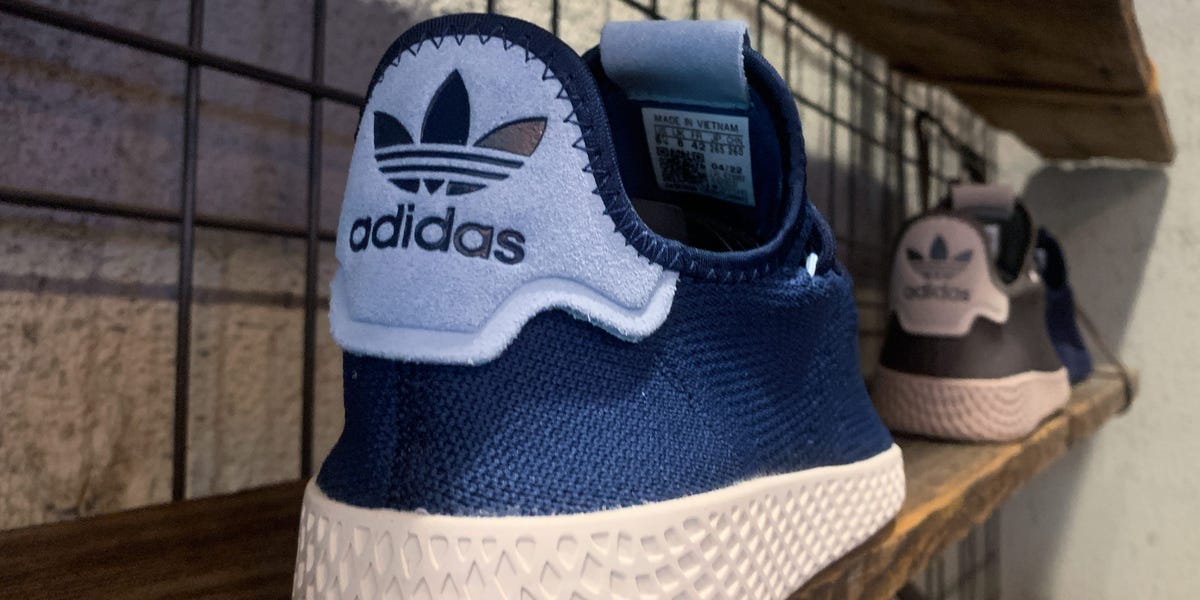
Tariffs Set to Increase the Cost of Adidas Sneakers
Sneakers are now among many products likely to see price hikes due to tariffs.
Adidas has cautioned consumers that the comprehensive tariffs imposed by President Donald Trump could escalate the prices of its entire US product range, given the company's current dependency on imports to keep American stores stocked.
"As we are not able to manufacture nearly any of our goods within the United States, these elevated tariffs will inevitably lead to higher expenses for all our products sold in the American market," stated Bjørn Gulden, CEO.
This caution comes in conjunction with Adidas's robust first-quarter financial report, which demonstrated remarkable growth: revenues increased by 13% adjusting for currency effects to approximately $7 million, while profits more than doubled, reaching around $495 million. Shoes were a significant contributor to the double-digit digital growth seen across all geographic regions and product categories.
However, Gulden expressed concern that this growth might falter if the tariff situation persists. Although some manufacturing has been shifted away from China, the company still significantly depends on imports from nations affected by tariffs.
In what Gulden referred to as a "typical scenario," the company would have raised its projections for revenue and profit for the entire year.
Nevertheless, he said, "the ongoing uncertainty about US tariffs has presently halted us from doing so."
In early April, President Trump introduced a series of steep tariffs targeting numerous countries, even long-standing allies, but temporarily suspended the most severe for 90 days, maintaining a 10% minimum rate for the majority and imposing a 145% duty on most imports from China.
Adidas joins a list of other large brands preparing for the economic impacts.
Companies such as Target, Shein, Ford, Volkswagen, and Best Buy have all indicated or confirmed price increases related to tariffs.
Additionally, firms like GM and UPS have retracted their financial forecasts, citing the unpredictability created by Trump's tariff strategy. Chipotle, PepsiCo, and the luxury firm LVMH have similarly noted potential slowdowns in second-quarter sales.
Treasury Secretary Scott Bessent, in an interview with ABC on Sunday, justified the tariffs by describing the evolving plans as a means to create "strategic uncertainty" and strengthen the US's negotiating power in global trade discussions.
Ultimately, if these tariffs continue to stand, it will be the consumers bearing the financial burden.
Leave a Reply