


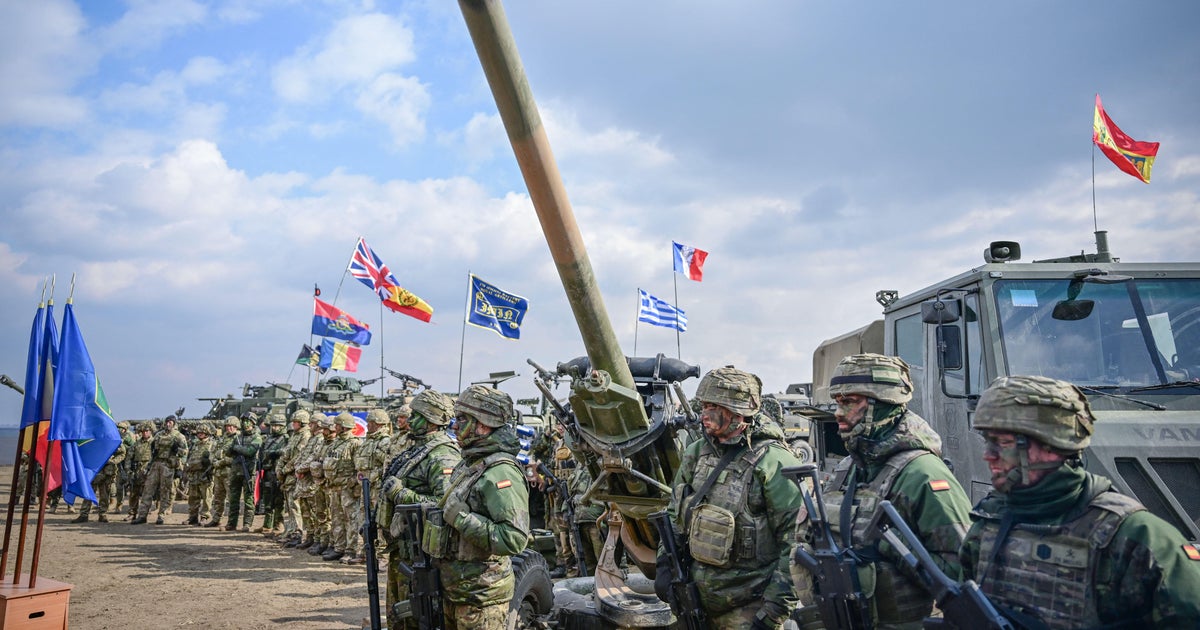
Significant Rise in Global Military Expenditure in 2024, Reports Think Tank
Military budgets worldwide surged by 9.4% in 2024, reaching $2.7 trillion, marking the most substantial annual increase since the Cold War concluded, as analyzed by a leading security think tank. This increase was significantly influenced by financial allocations in Europe, including Russia, according to SIPRI's findings.
European Spending and the Ukraine Conflict
European countries collectively expanded their defense spending by 17%, totaling $693 billion, amidst ongoing tensions in Ukraine, as detailed in the organization’s data.
Russia ramped up its military budget by 38%, reaching an estimated $149 billion, while Ukraine’s expenditure rose by 2.9% to $64.7 billion. Significantly, Ukraine allocated 34% of its GDP to military efforts, the highest globally by GDP percentage for the year, SIPRI reported.
Diego Lopes da Silva, a senior researcher at SIPRI, commented, "Russia's military outlay has again notably increased, widening the fiscal divide with Ukraine. With Ukraine channeling all its tax proceeds into defense, enhancing their military budget further poses a real challenge in such restrictive financial conditions."
NATO's Rising Military Expenses
Numerous NATO countries have augmented their defense budgets, with 18 nations surpassing the 2% GDP threshold in 2024—the highest number since the standard's establishment in 2014, according to SIPRI.
Jade Guiberteau Ricard, another researcher at SIPRI, noted, "The swift increase in military budgets among European NATO members largely stems from the persistent Russian threat and potential disengagement by the U.S. within the alliance. However, merely hiking expenditure doesn't equate to enhanced military prowess or independence from the U.S.; achieving such capabilities requires tackling far more complex tasks."
Military Spending in the Middle East
In the Middle East, Israel and Lebanon notably boosted their defense expenditures. Israel’s military budget elevated by 65% to $46.5 billion, while Lebanon increased its allocation by 58%, reaching $635 million.
Zubaida Karim from SIPRI highlighted, "While expectations were that numerous Middle Eastern countries would elevate their military spending in 2024, significant increases were chiefly seen in Israel and Lebanon. Other countries in the region either made modest adjustments or were economically hindered from sizeable increments despite the conflict in Gaza."
Despite ongoing tensions, Iran’s military expenditure decreased by 10% in real terms, falling to $7.9 billion.
North American and Asian Military Expenses
The U.S. boosted its military budget by 5.7% to $997 billion, accounting for 66% of NATO's total spending, representing 37% of the global military expenditure in 2024.
Meanwhile, China, positioned as the second-largest military spender after the U.S., held half of Asia and Oceania’s military spend, increasing its budget by 7% to $314 billion, per SIPRI.
Nan Tian, director of SIPRI’s Military Expenditure and Arms Production Program, remarked, "Key military investors in the Asia-Pacific are allocating more resources to advanced military technologies. These investments risk steering the region into a perilous arms-race spiral."
This report, underscoring complex geopolitical dynamics, echoes the shifts in fiscal priorities driven by global conflicts and security concerns.
Leave a Reply